You hear it before you understand what you're hearing.
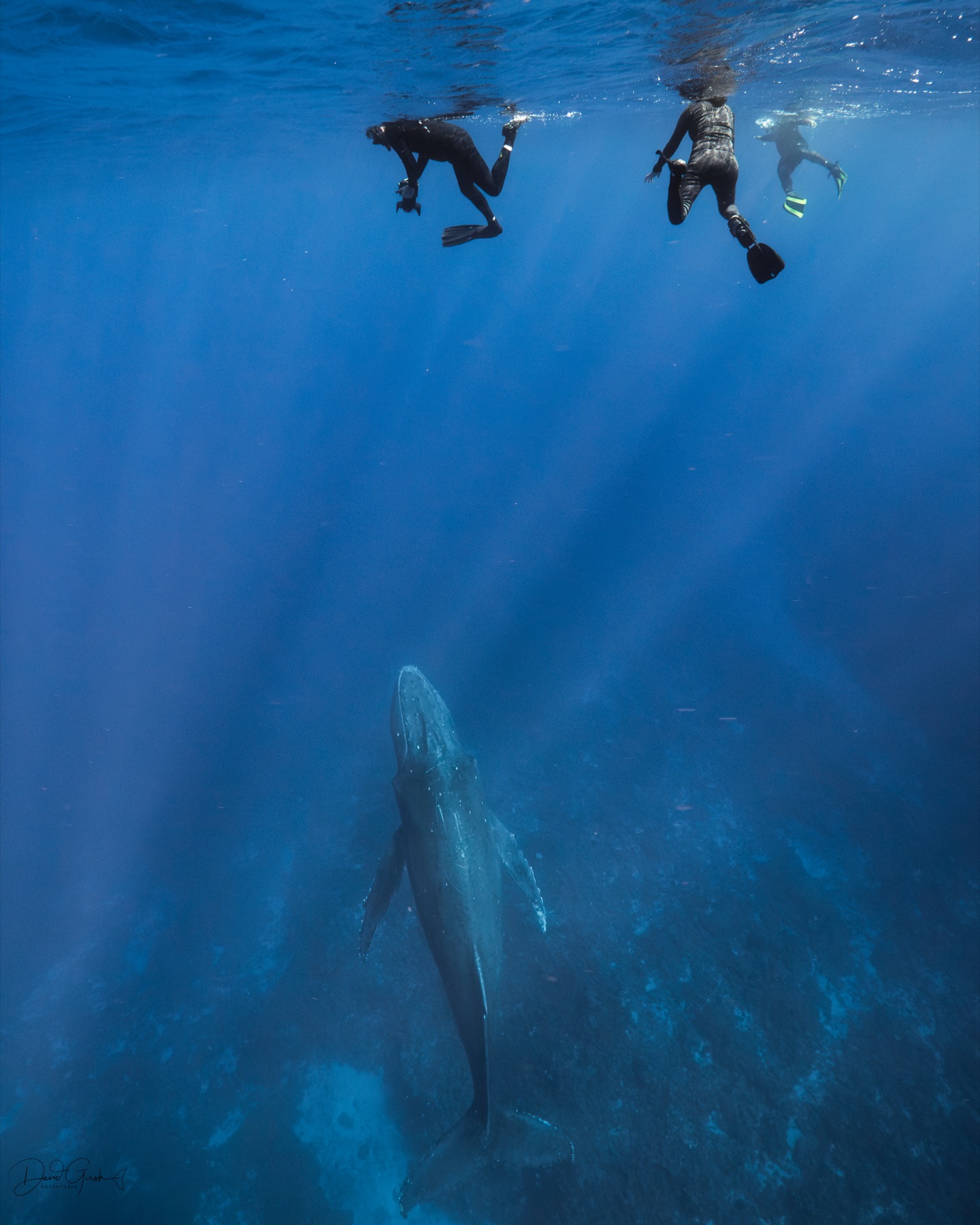
A low pulse in the water, more felt than heard, and then it's unmistakable. Somewhere below you, deep, where the light seems to give up, a male humpback is singing. Not calling. Singing. A structured, repeating song that can carry for miles underwater, that he'll sing for hours, that no one still fully understands the purpose of. You float on the surface with your fins barely moving, and the sound moves through your chest before it reaches your ears. Something you need to experience for yourself to really grasp.
This is what being in the water in Vava'u does to you, it doesn't ease you in, it puts you in the presence of giants, and it asks you to be present.
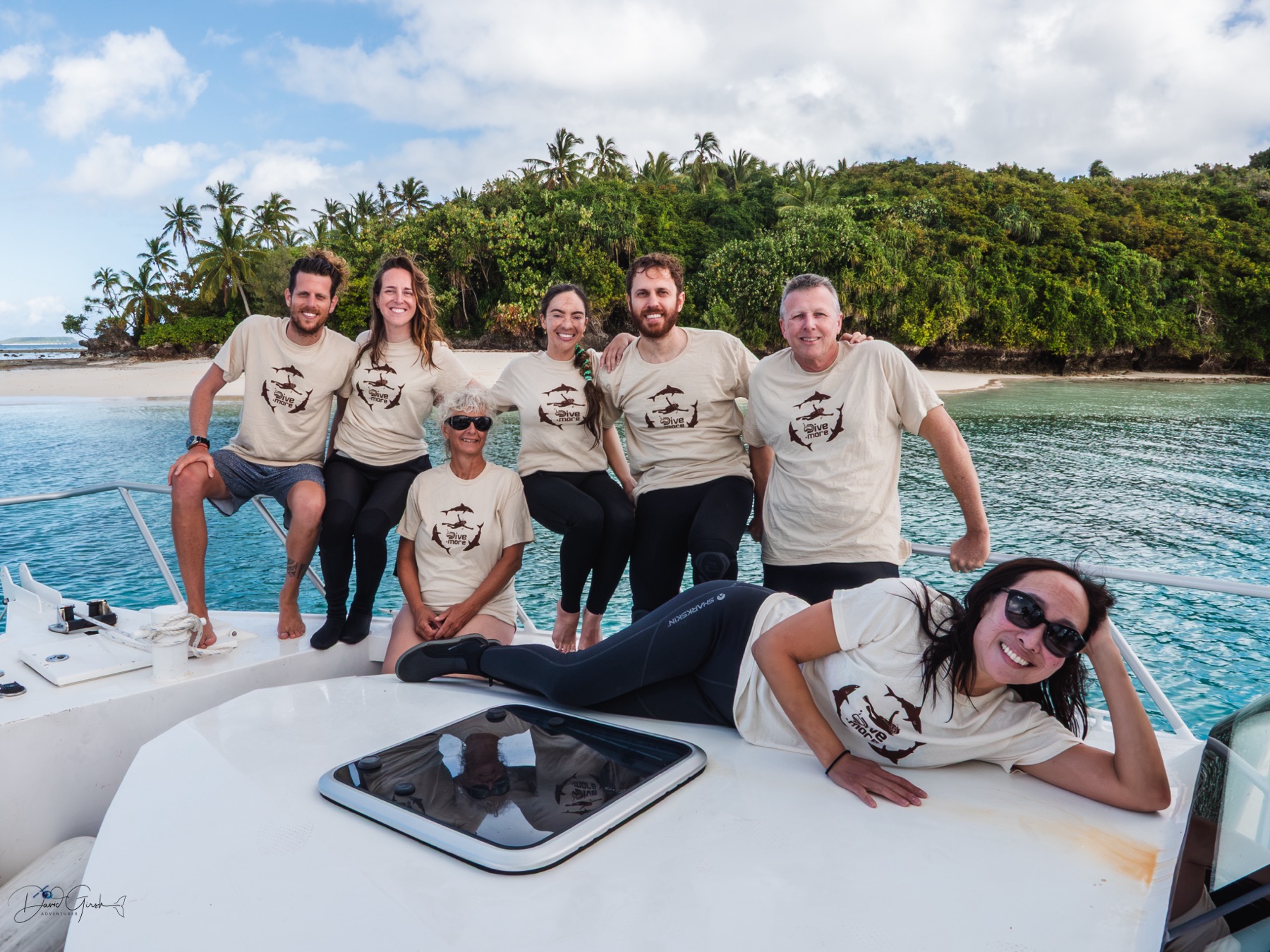
I just got back from running this year's trip, and I'm still turning some of it over in my head.
DIFFERENT DAYS, DIFFERENT WHALES
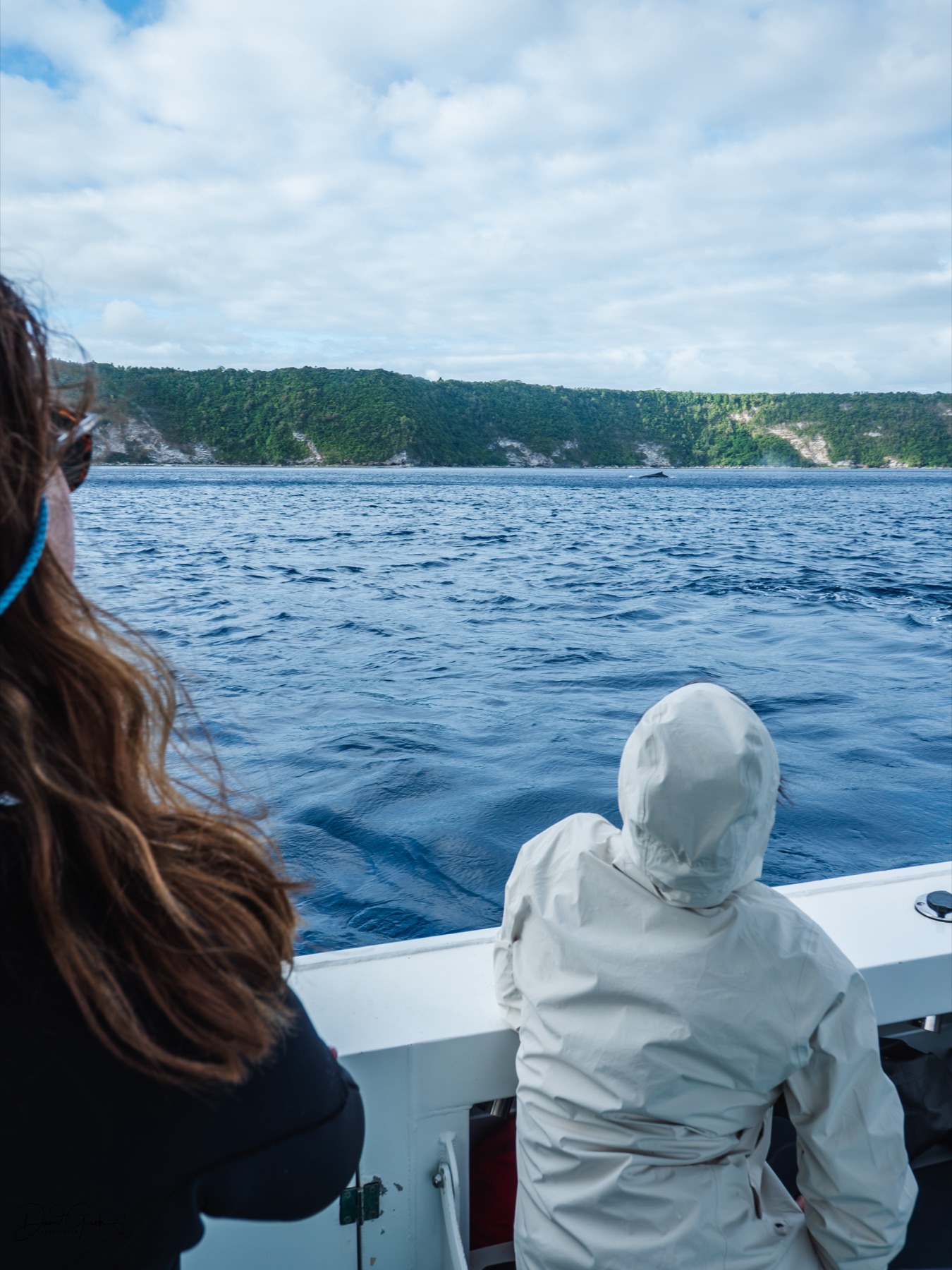
No two days in the water looked the same, and that's the part people don't expect going in. You picture "swimming with whales" as one experience, it isn't, it's two or three or four different ones a day, sometimes one, depending on what the ocean gives you that morning.
Some days it was a mother and her calf, moving slow and close together, the calf still working out what its fins were for, surfacing to breathe every few minutes while its mother hung beneath it like a shadow twice her actual size. Mother humpbacks in these waters are some of the most patient animals I've ever been near, they know exactly where every person in the water is at all times, and they choose to let you stay.
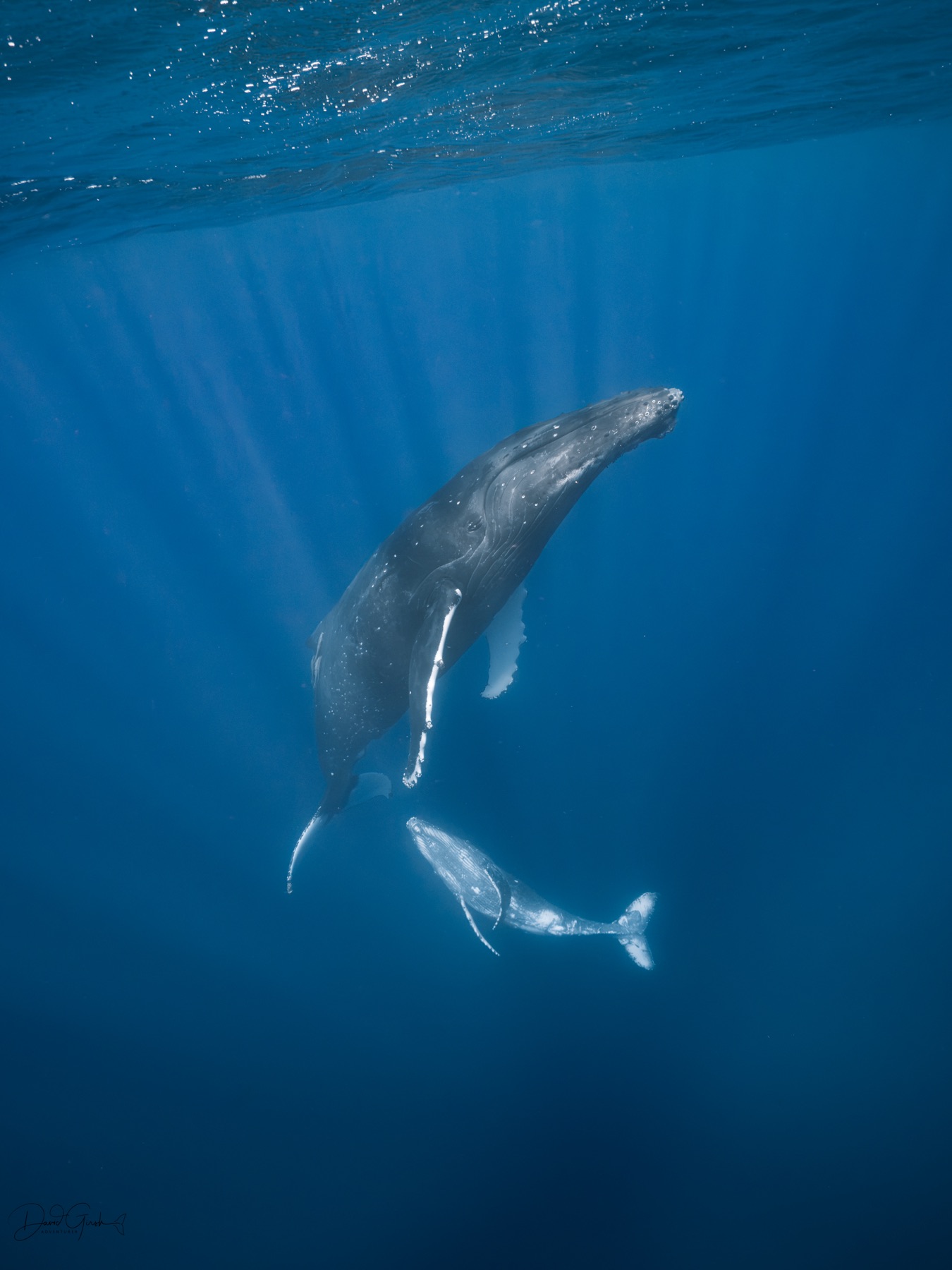
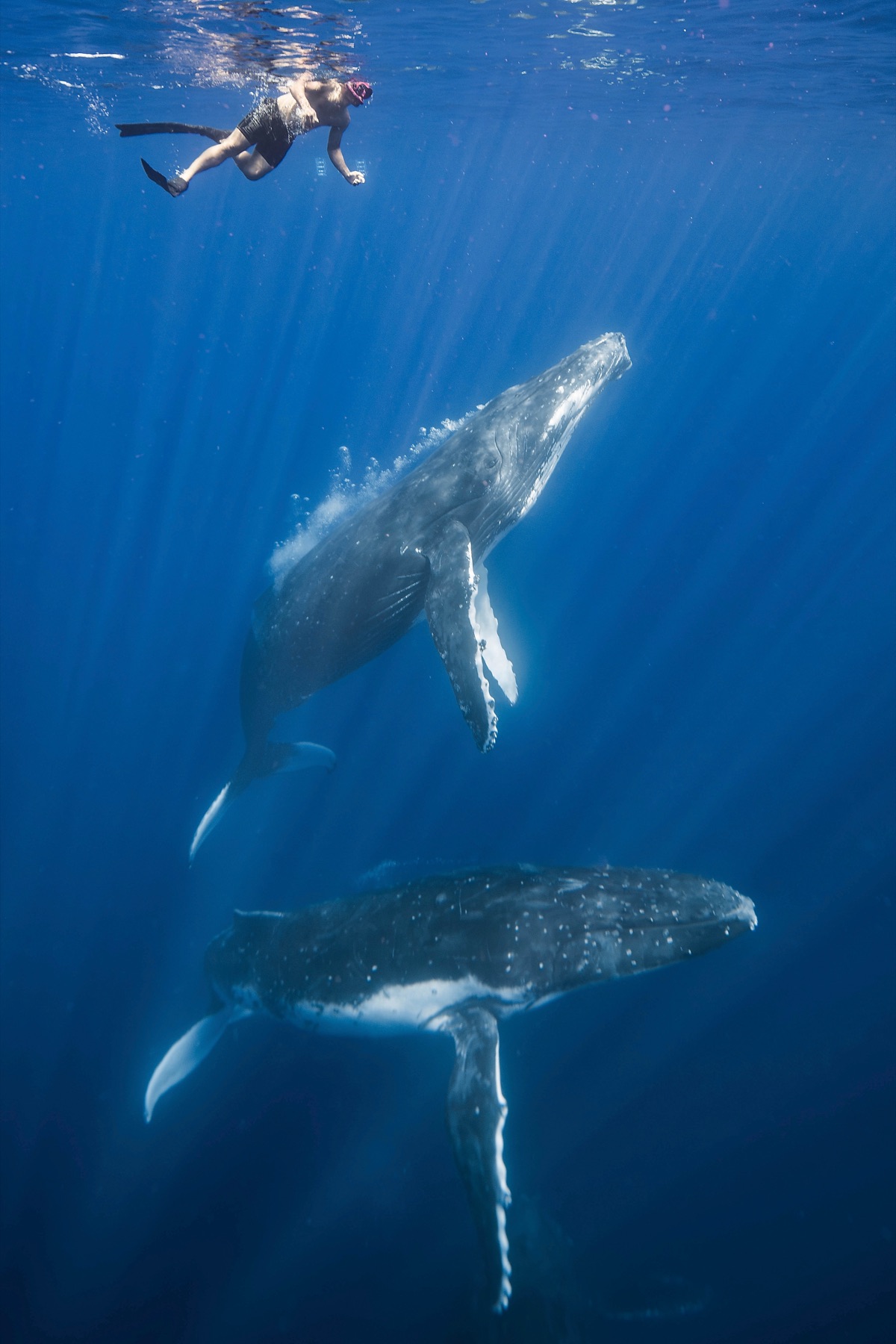
Some days it was a single adult, cruising, unbothered, letting the group hang at a respectful distance and simply pass through its world for a few seconds.
Some days it was a trio, two or three juveniles without an adult in sight, and juveniles are a different kind of encounter entirely. Playful. Curious. Tail slaps and rolls and a kind of showing-off that's hard not to read as personality, because it is personality. Whales are individuals, spend a week around them and that becomes impossible to argue with.
And some days the water told you something was happening before you even got there. A heat run, a group of competing males chasing a single female, moving fast, aggressive, throwing white water, an entirely different register of power to witness from the surface. You don't get in casually on a heat run, you read it, you respect it, time it, and once you're in it's go go go!
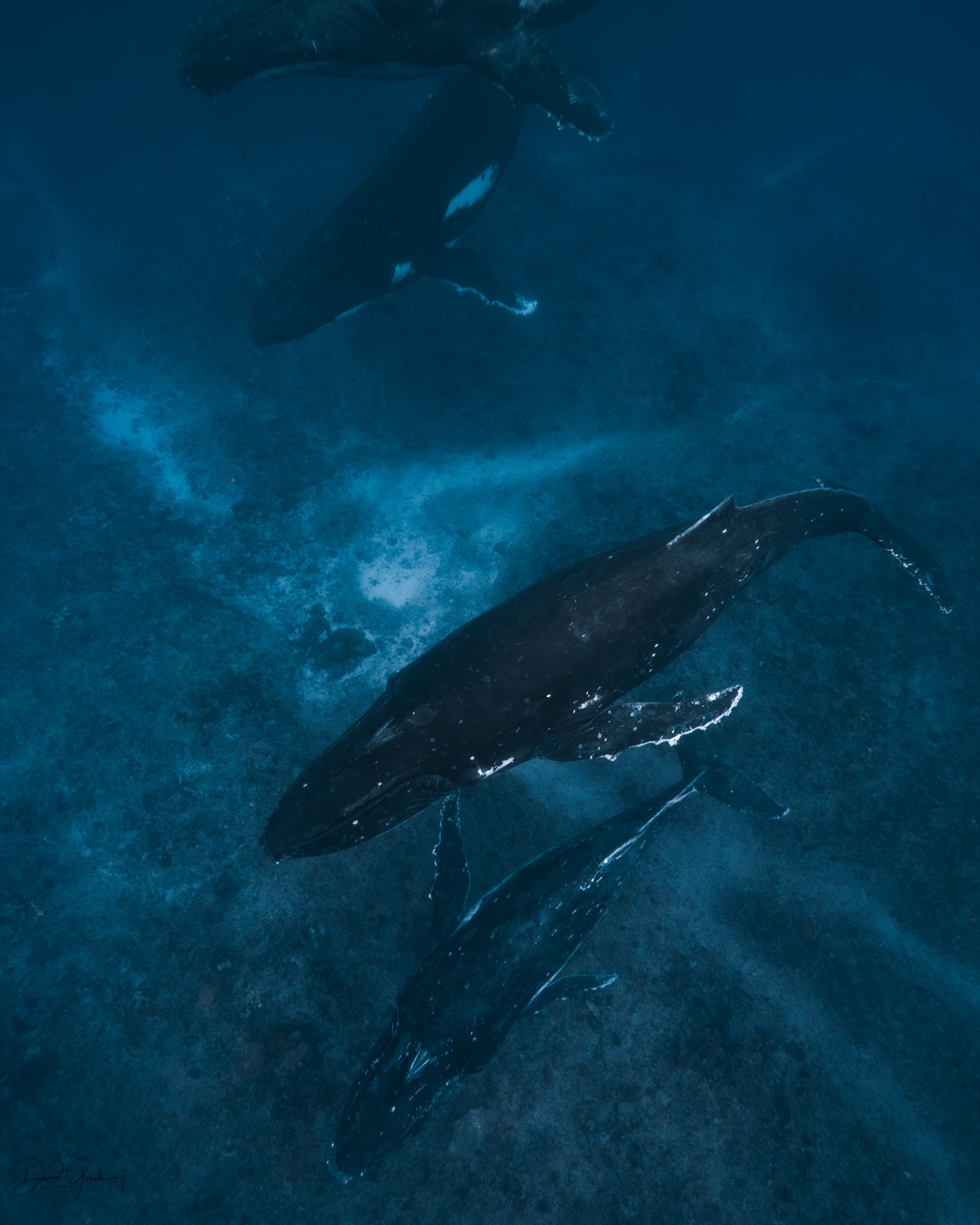
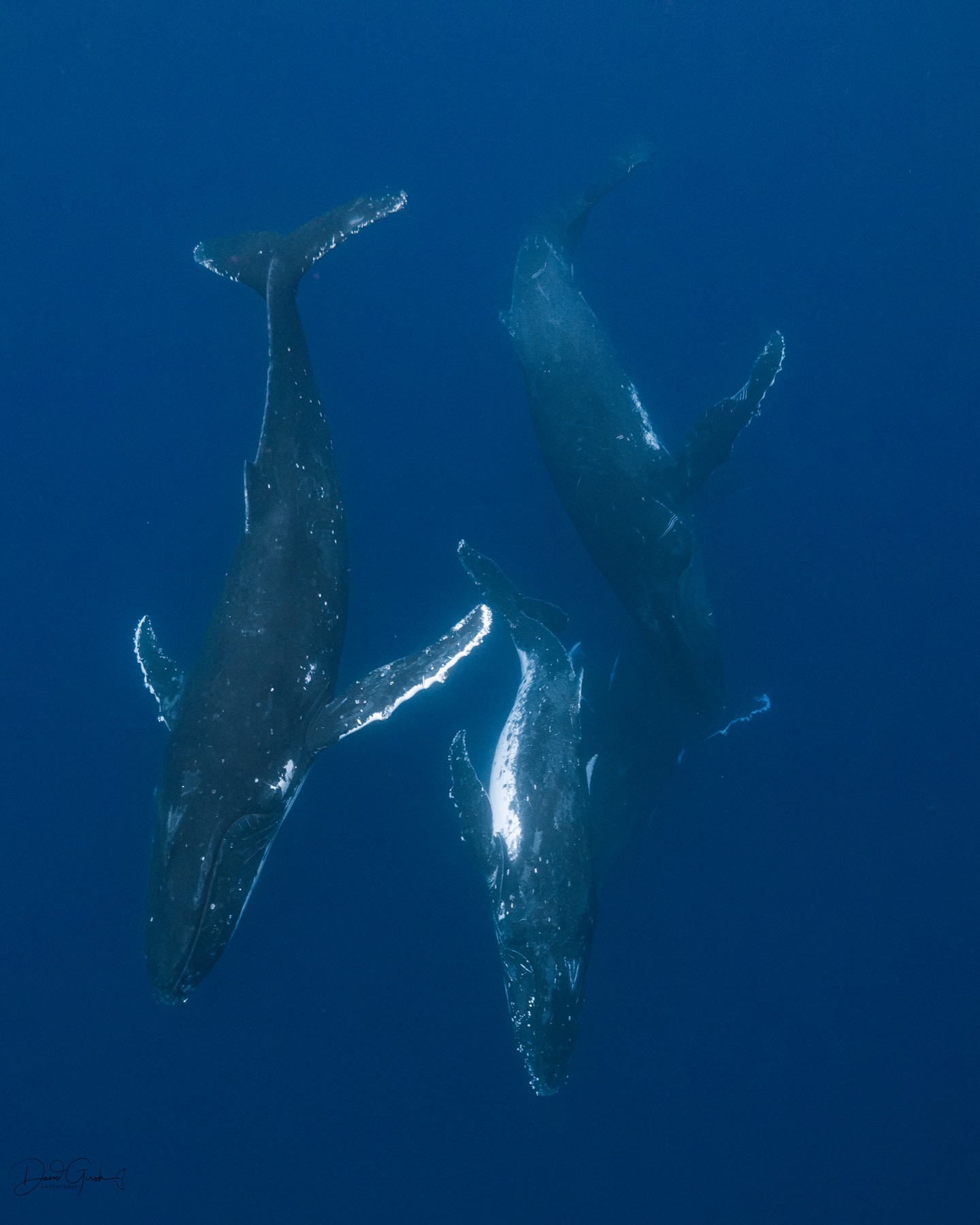
Then there are the singers. Solitary males hanging vertical in blue water, head down, singing that song that changes across a season and spreads between populations like a piece of music passed hand to hand across an ocean. You don't get to interact with a singer, you get to witness one. It's the closest thing I've felt in the water to walking in on someone in prayer.
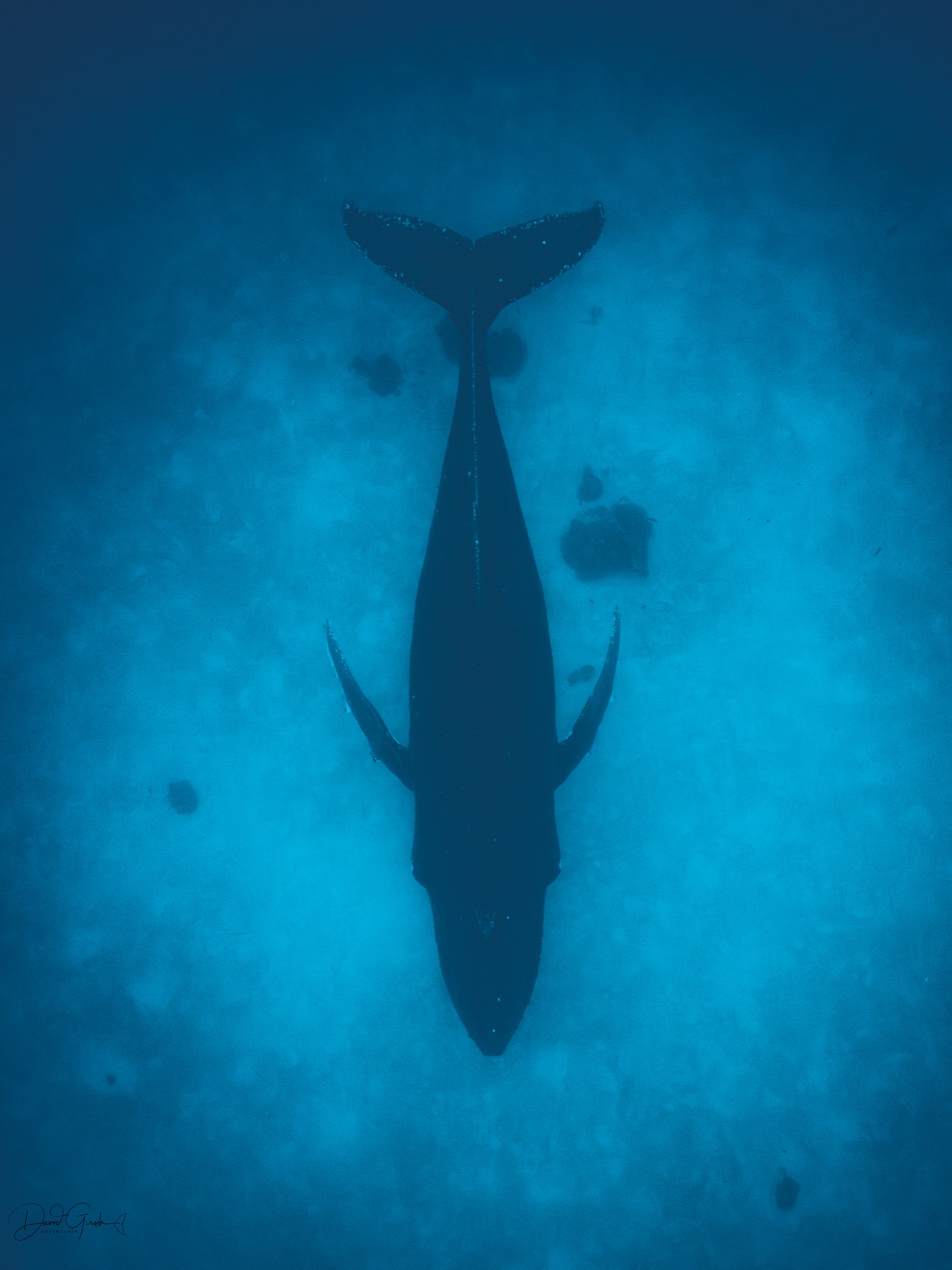
Every one of these is a different animal, a different mood, a different kind of respect required, and that's the real education of this trip: learning to read what kind of moment you're being given, and how to meet it properly.
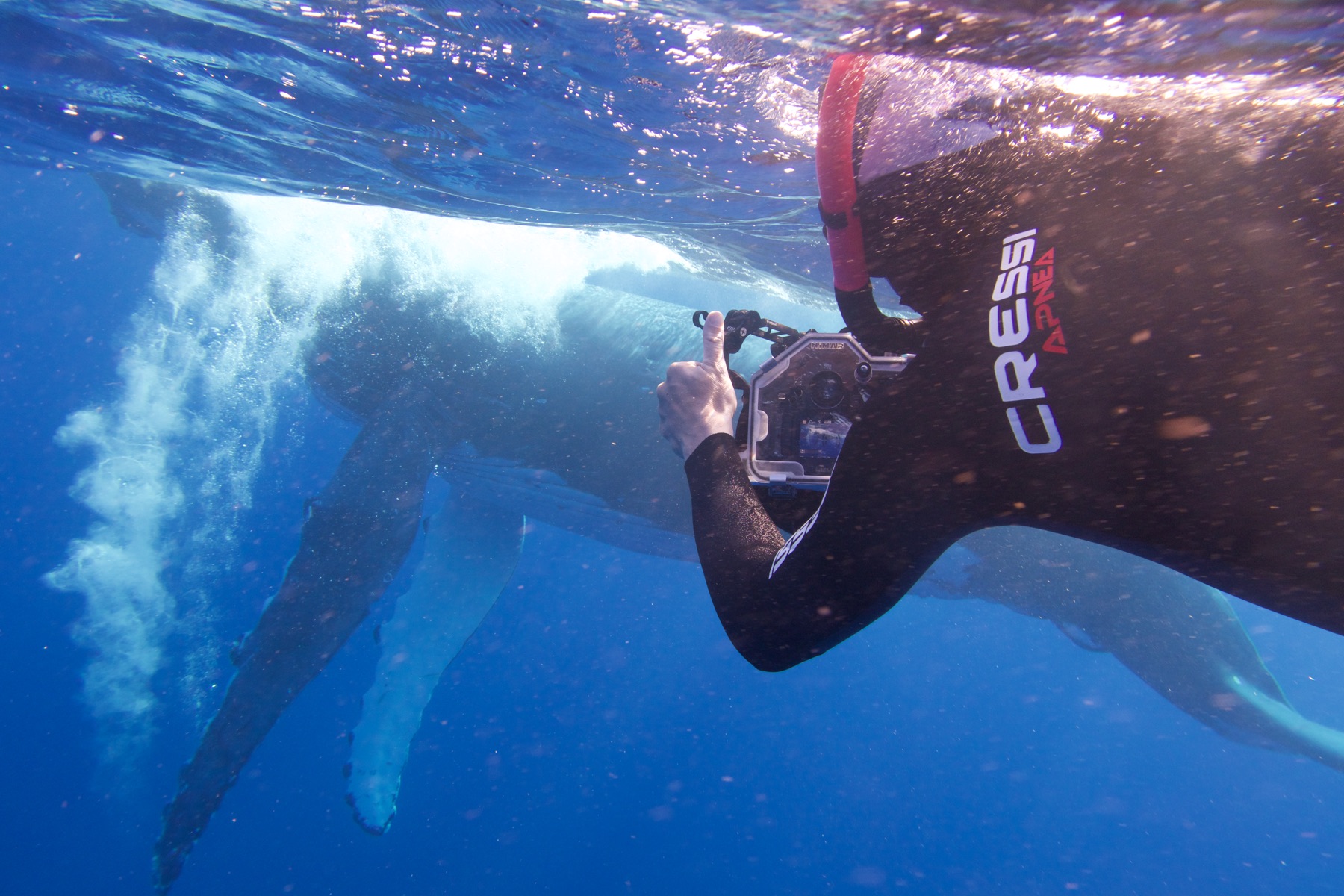
We keep the rules tight for exactly that reason. Four swimmers in the water at a time, one guide, five metres between people and whale as a minimum, boats well clear. No chasing, no forcing an approach, if the whale wants distance, the whale gets distance. The best encounters of the whole week were always the ones where we did the least and the whale decided to come closer on its own terms.
A NATION THAT CHOSE THE WHALES
None of this happens by accident, and it doesn't start with tourism, it starts with a decision Tonga made almost fifty years ago.
In 1978, King Tāufaʻāhau Tupou IV banned whale hunting in Tongan waters completely, by royal decree, eight years before the rest of the world agreed to a global moratorium. At the time, the humpback population in this part of the Pacific had been hunted down to around 250 animals. Today it's back up over 2,500, and that recovery is the reason any of us get to be in the water with them at all.
But the ban wasn't really about tourism dollars, or even about the animals in isolation, whales run deeper than that in Tongan culture. Long before anyone was swimming with them for the experience of it, they guided the old voyaging canoes to landfall across open ocean. Their return to these waters every year to calve isn't a novelty, it's something Tongans have marked and respected for generations, long before anyone from outside knew Vava'u existed.
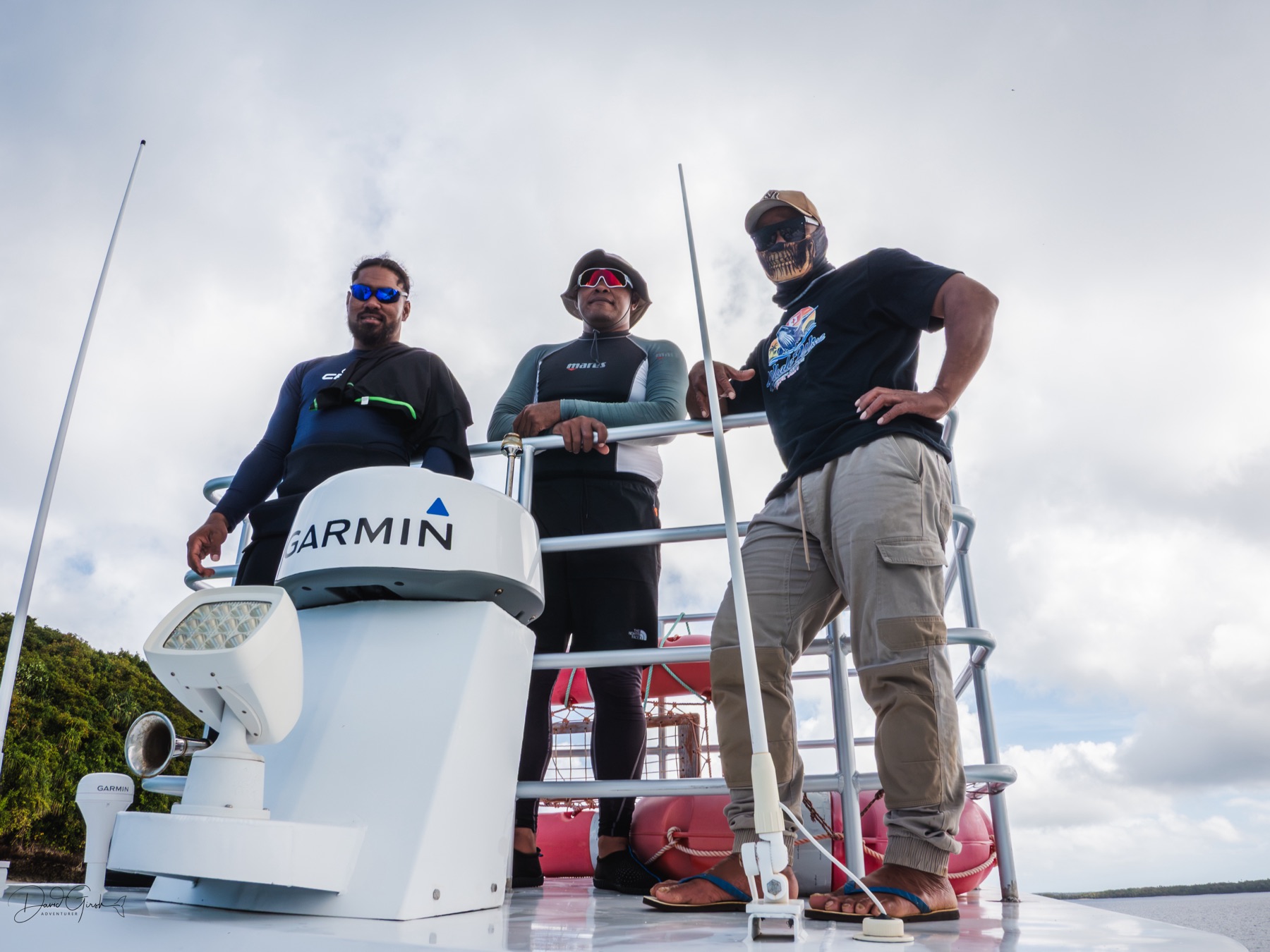
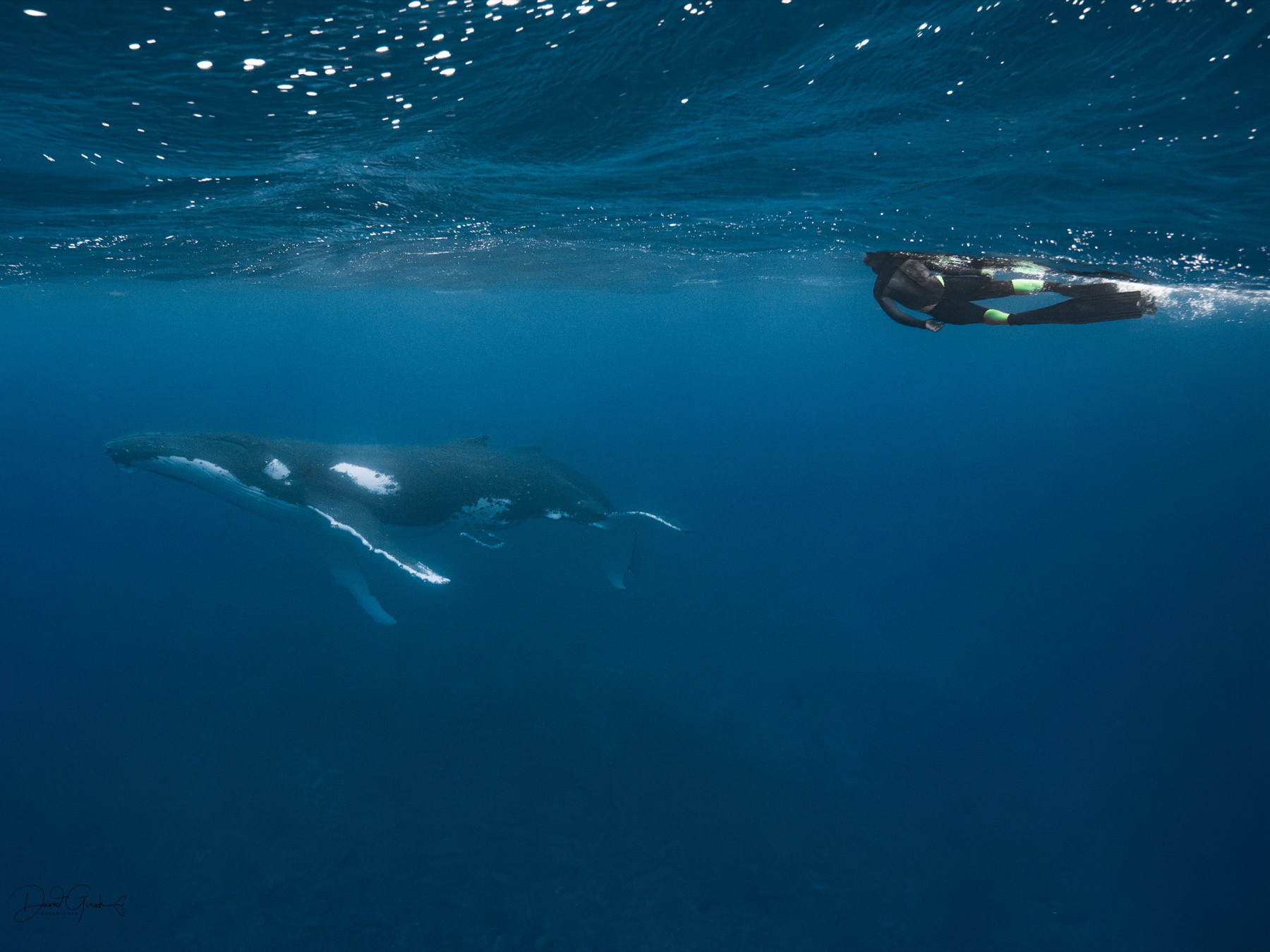
You feel that difference in the water. This isn't a wildlife park. It's someone else's home, and you're a guest in it, in the truest sense of that word.
VAVA'U ITSELF
It would be easy to write a whole piece just about the islands and never mention a whale.
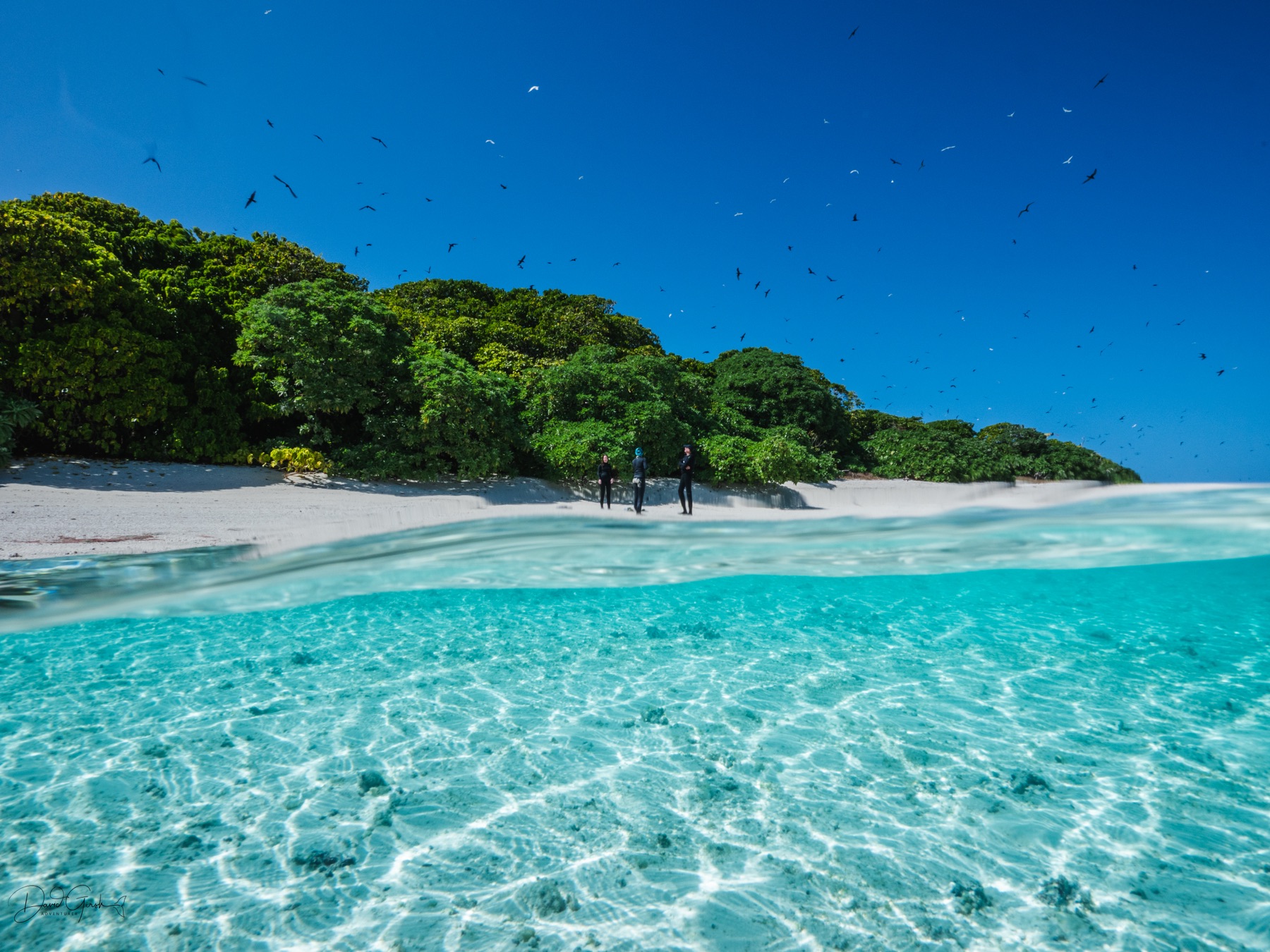
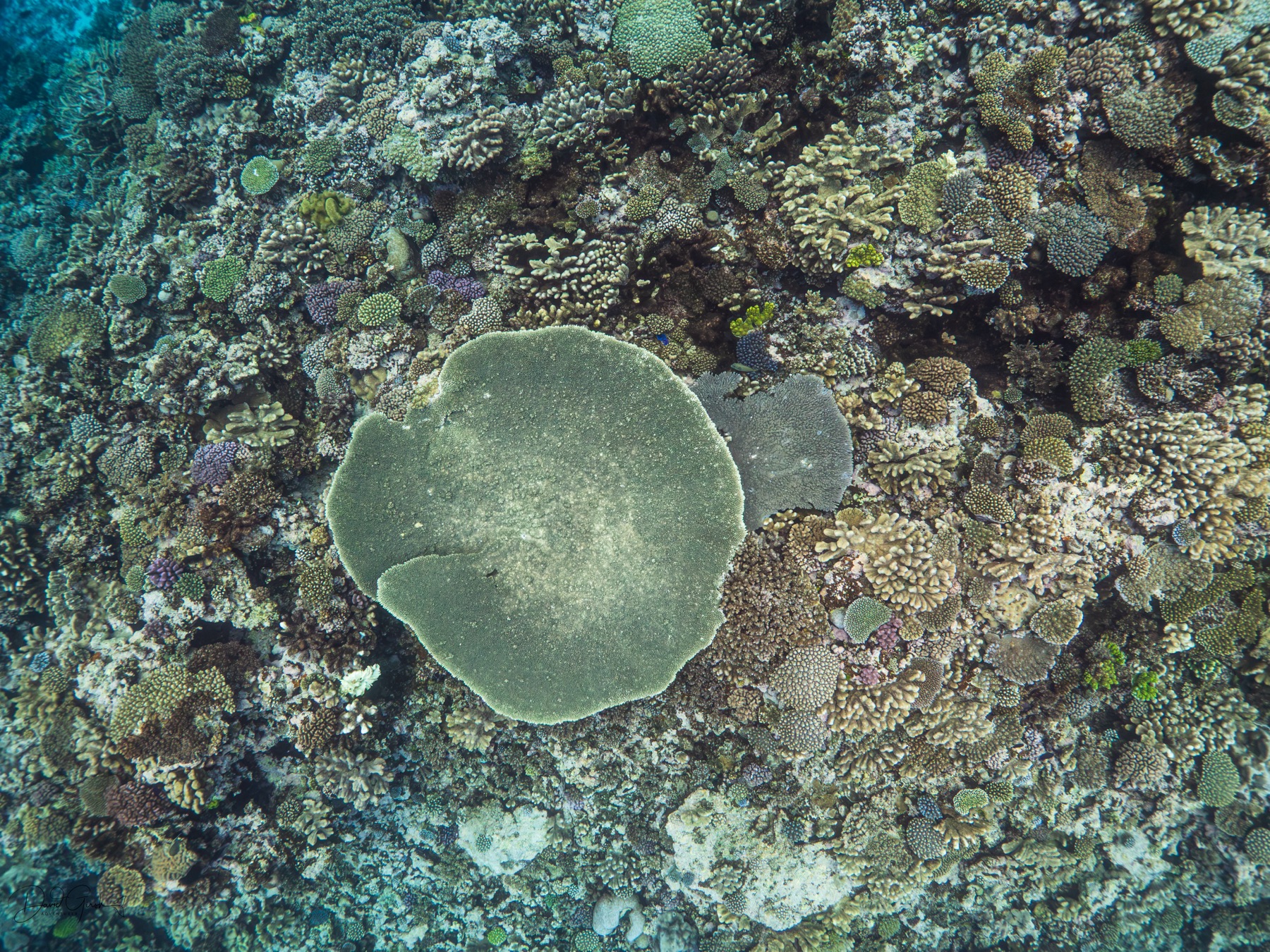
Vava'u is a scattered archipelago of limestone islands, over forty of them, rising steep and green straight out of water that runs through every shade of blue and turquoise you can put a name to. Protected channels between the islands keep the water calm even when the open ocean beyond isn't, which is part of why the whales choose this place to calve. Underneath, the coral gardens are just as alive as anything happening on the surface, reef fish, turtles, the occasional reef shark cruising the drop-offs. Some mornings the best thing that happened had nothing to do with a whale at all, it was the light on the water at 6.30am, or a reef we dropped onto between whale searches that none of us expected to be that good.
WORKING ALONGSIDE VEPA
The Vava'u Environmental Protection Association has been doing real conservation work in these waters since 2009, coral reef monitoring, mangrove and coastal protection, all of it led by local village councils who actually live with the consequences of what happens to this reef. Karen Stone runs VEPA's marine work, and she's spent years building a picture of reef health across the archipelago that didn't exist before her team started diving it systematically.
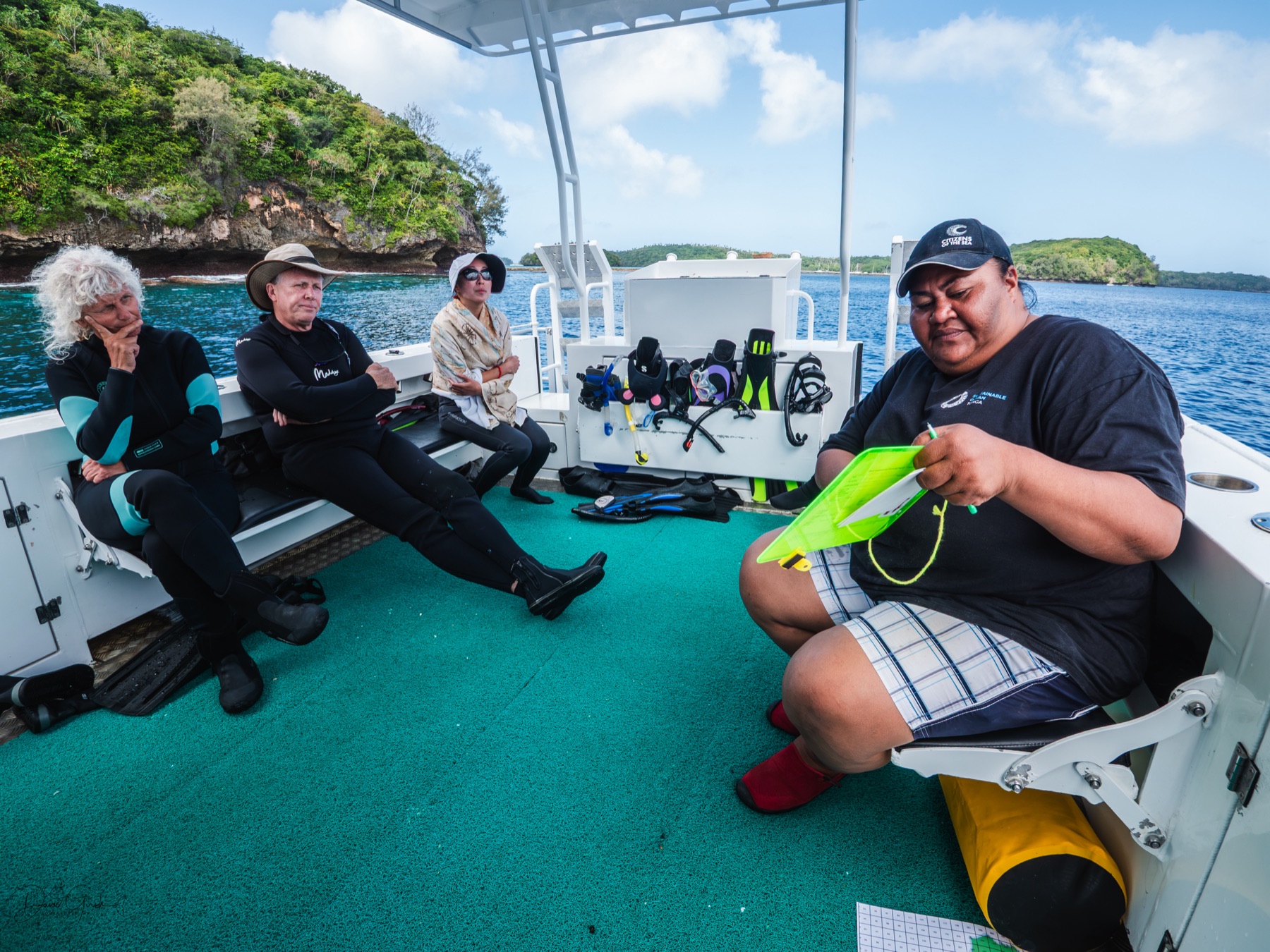
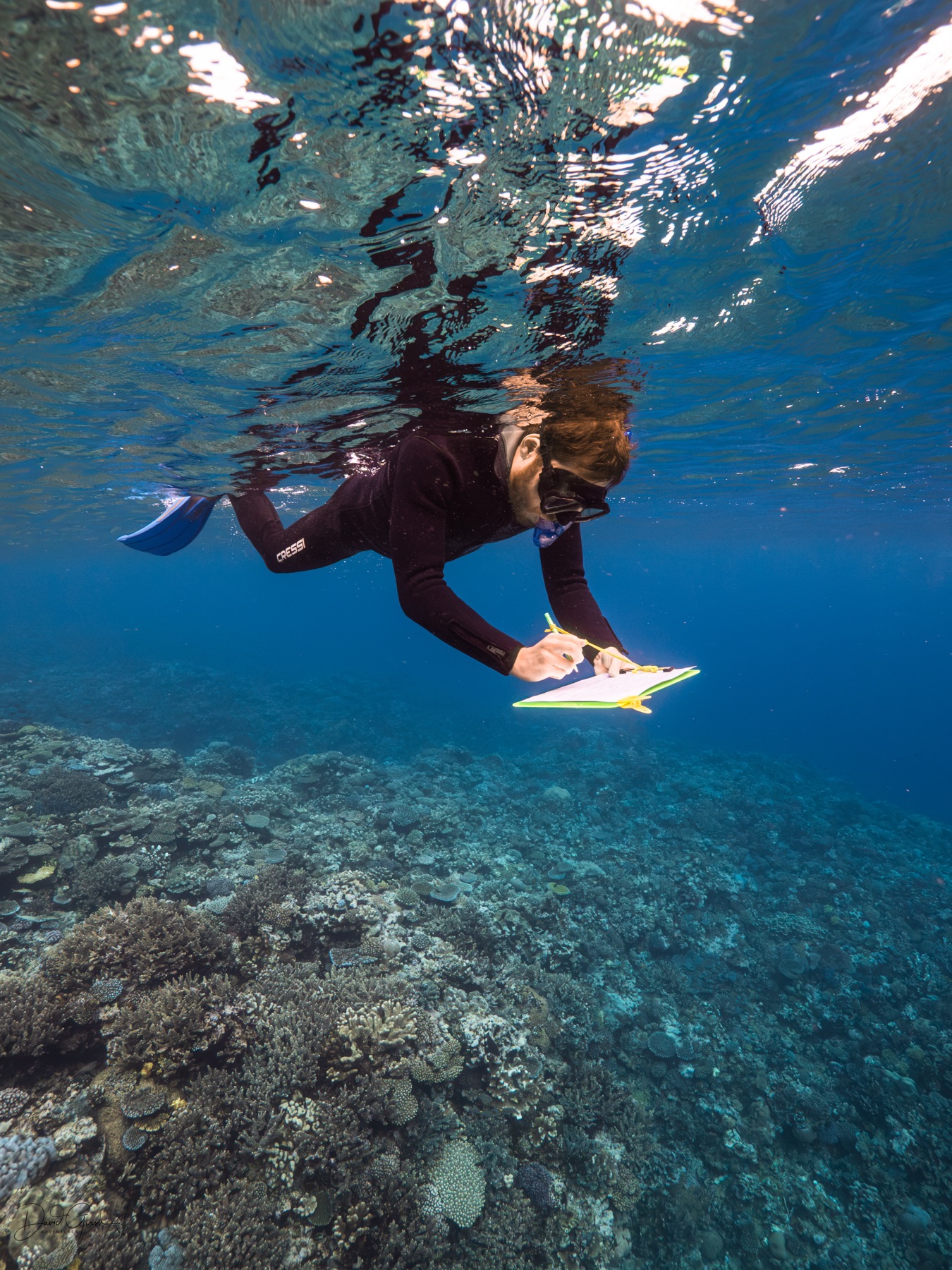
This trip, the group didn't just observe that work, we joined it. Reef surveys, learning to read coral health the way Karen and her team read it, understanding what a healthy reef actually looks like versus one under stress, and why that distinction matters for everything else happening in these waters, including the whales that depend on a healthy marine system to keep coming back.
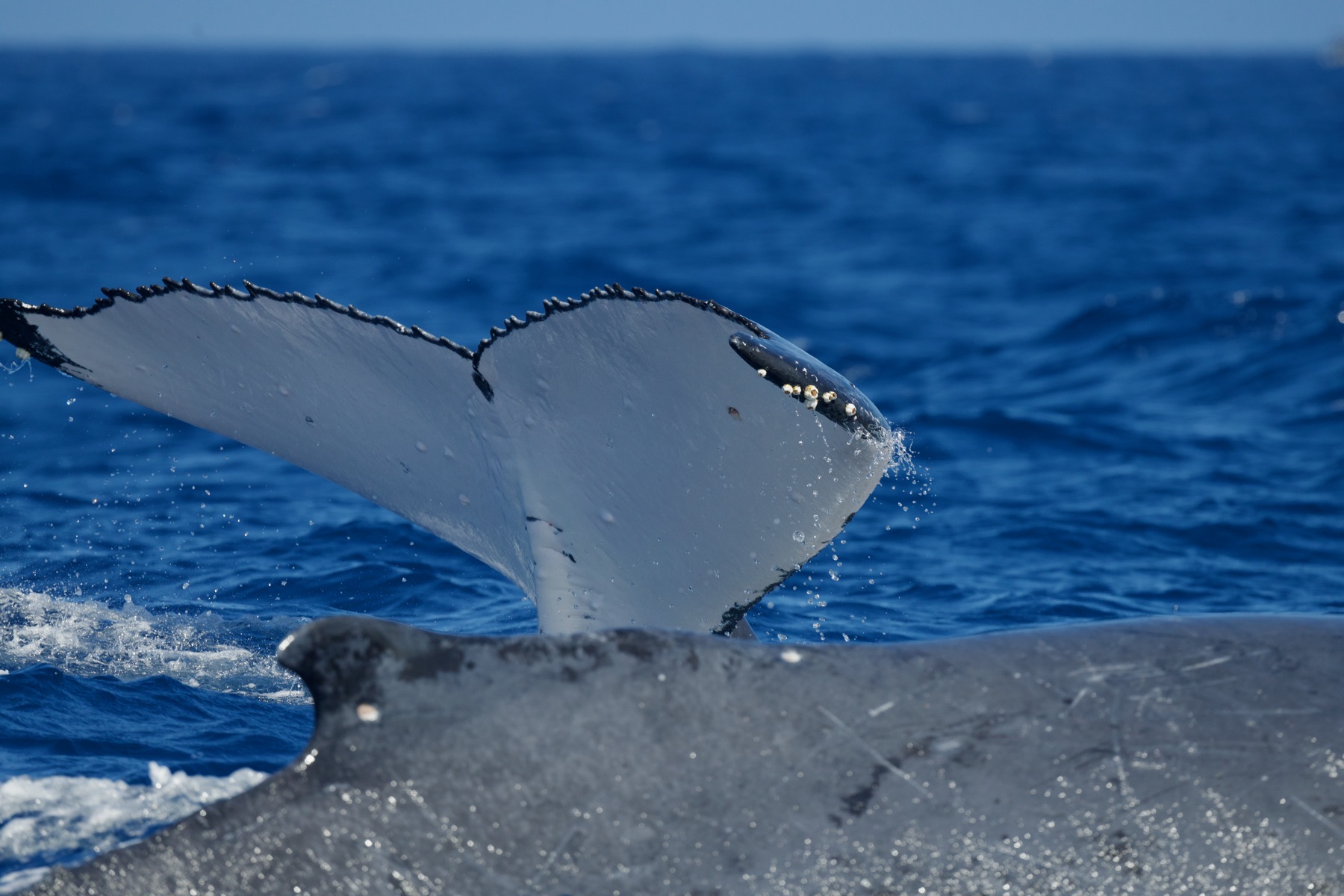
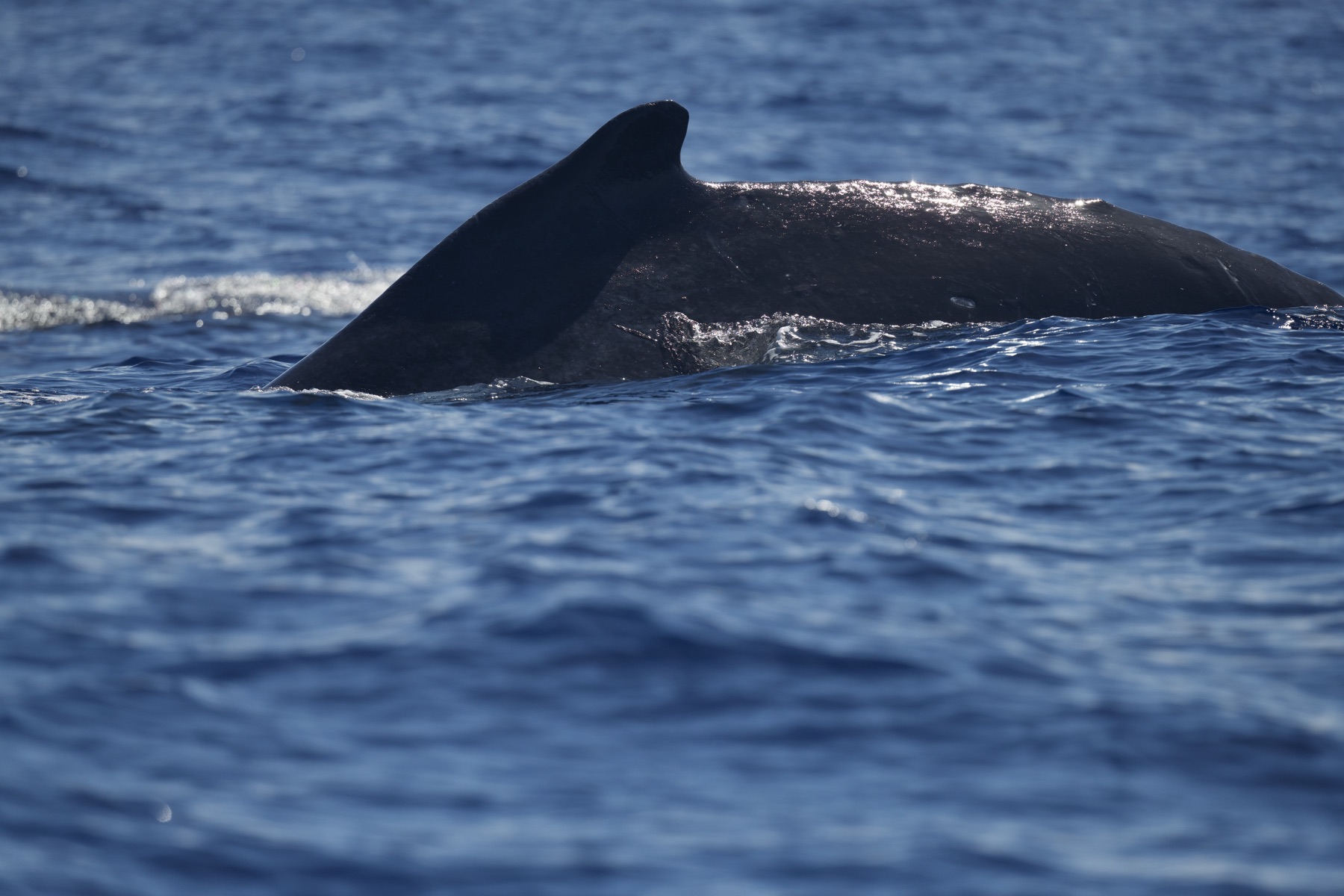
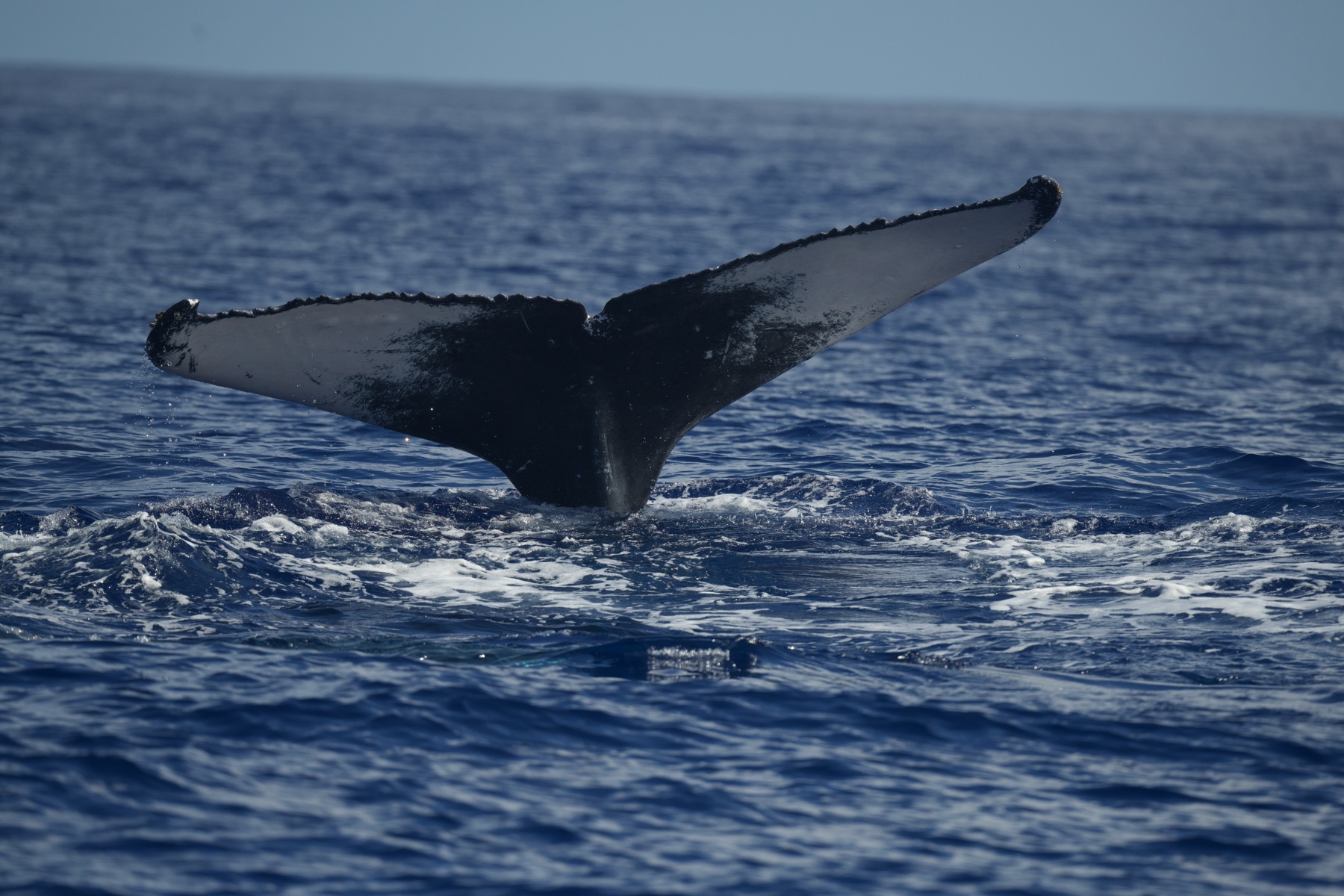
It's a small amount of time in the grand scheme of VEPA's work, but it's real and it's the kind of conservation fieldwork most people never get anywhere near, let alone get to take part in on their own holiday. Another important aspect of VEPA's work is monitoring whales in Tonga. Having guests who came on this trip not only to swim with whales but to also get better at wildlife photography, we were able to incorporate topside and underwater photography to help with documenting individuals, learning how to distinguish whales from one another, and upload the data to a database where one day, hopefully, these whales will be seen again in Tonga or other islands in the Pacific, and help us understand population migration and whale numbers across the region better.