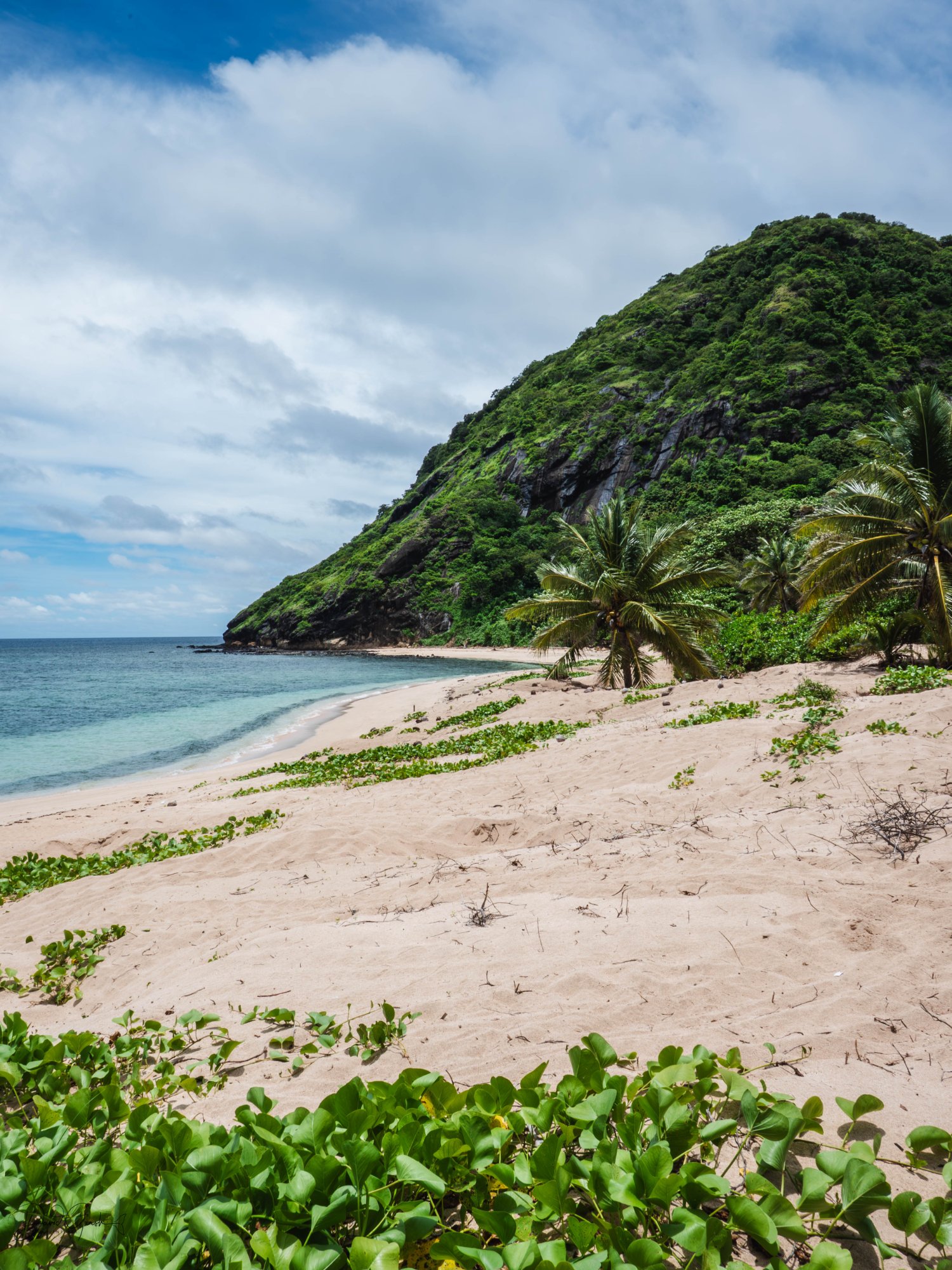
The word "conservation" has a particular history in Australia, one that too often excludes the people who managed these landscapes and seascapes for 60,000 years before anyone else arrived with a clipboard. In the Torres Strait, that history sits close to the surface. But so does something else: a generation of Traditional Owners who are taking the tools of modern conservation and bending them toward their own ends.
I'm newly on the ground in the Torres Strait, this work started in 2026, through Envirotech Education and a partnership with the Meriam people on Mer Island. It's early days, but what I've already witnessed has quietly recalibrated how I think about environmental protection.
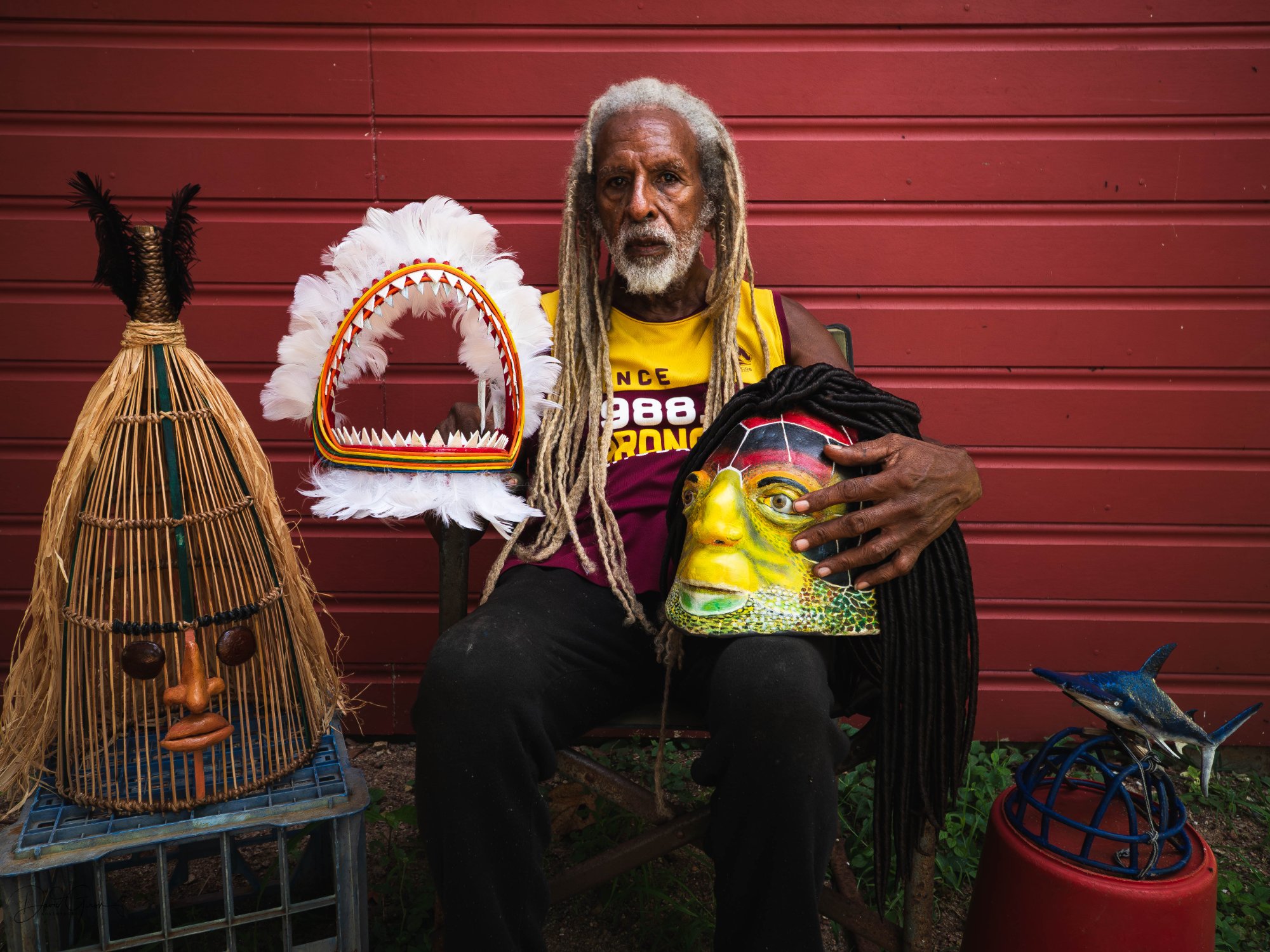
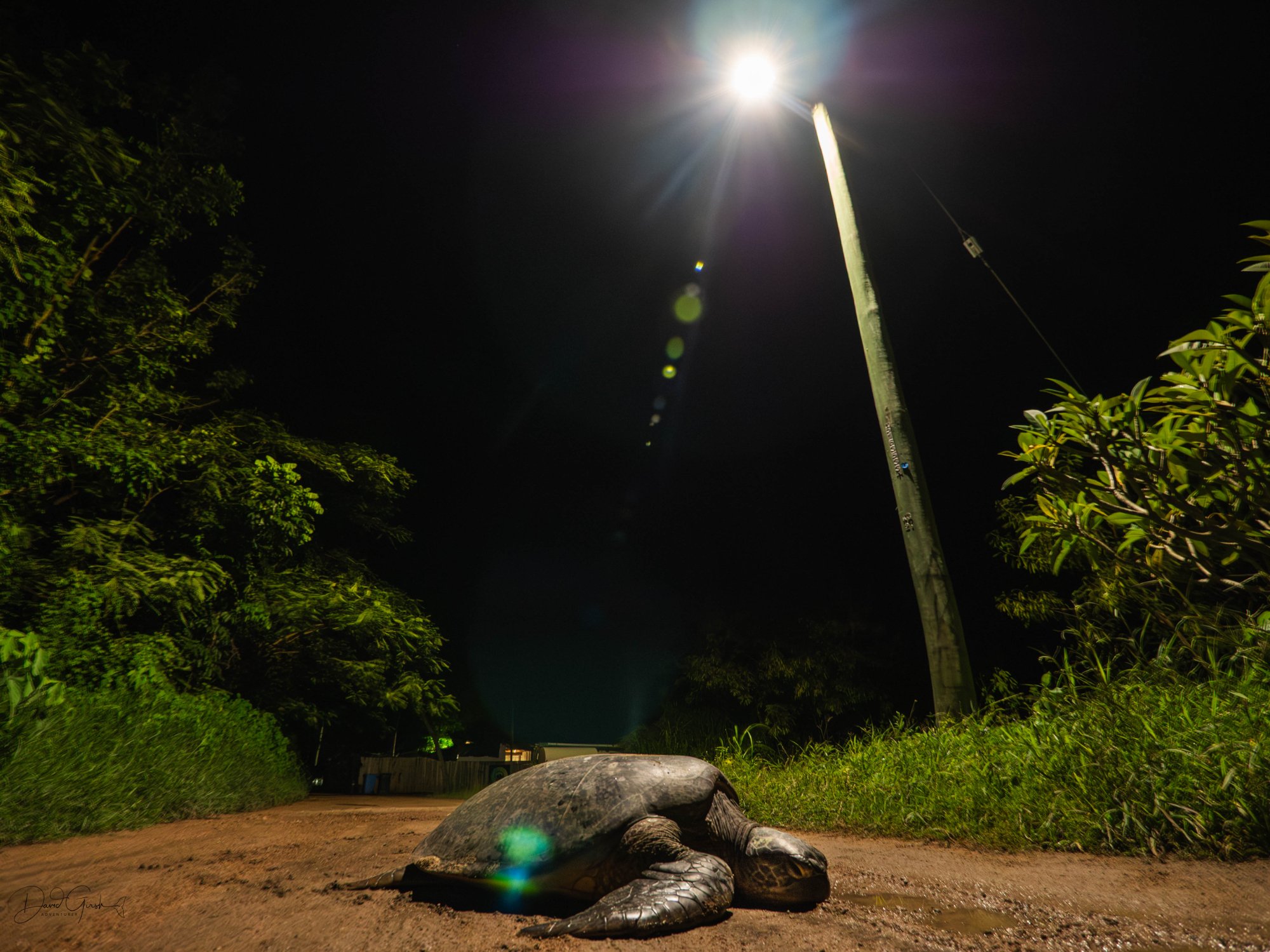
The Torres Strait sits between the Gulf of Carpentaria and the Coral Sea, a mosaic of islands, reefs, seagrass meadows, and mangrove systems of extraordinary biodiversity. Dugong populations here are among the most significant remaining anywhere. Turtles nest on beaches that have served as nesting sites for as long as anyone can remember. The reef systems support commercial and subsistence fisheries that communities depend on for food security and cultural practice.
And all of it is under pressure, from climate change, from fishing effort, from the slow creep of development and the administrative machinery of a state that has historically managed Torres Strait resources from Brisbane and Canberra, far from the people who know them best.
TRADITIONAL KNOWLEDGE AS SCIENCE
One of the most significant shifts I've observed is the formal recognition, still incomplete, still contested, but real, that Traditional Ecological Knowledge constitutes a form of scientific evidence. Elders on Mer Island carry knowledge of seasonal patterns, species behaviour, and ecological relationships that took generations to accumulate. This is not mythology. It is observation, recorded and transmitted across centuries.
"My grandfather told me where the turtles nest. His grandfather told him. That information goes back further than any research program. The question is whether the system is ready to listen."
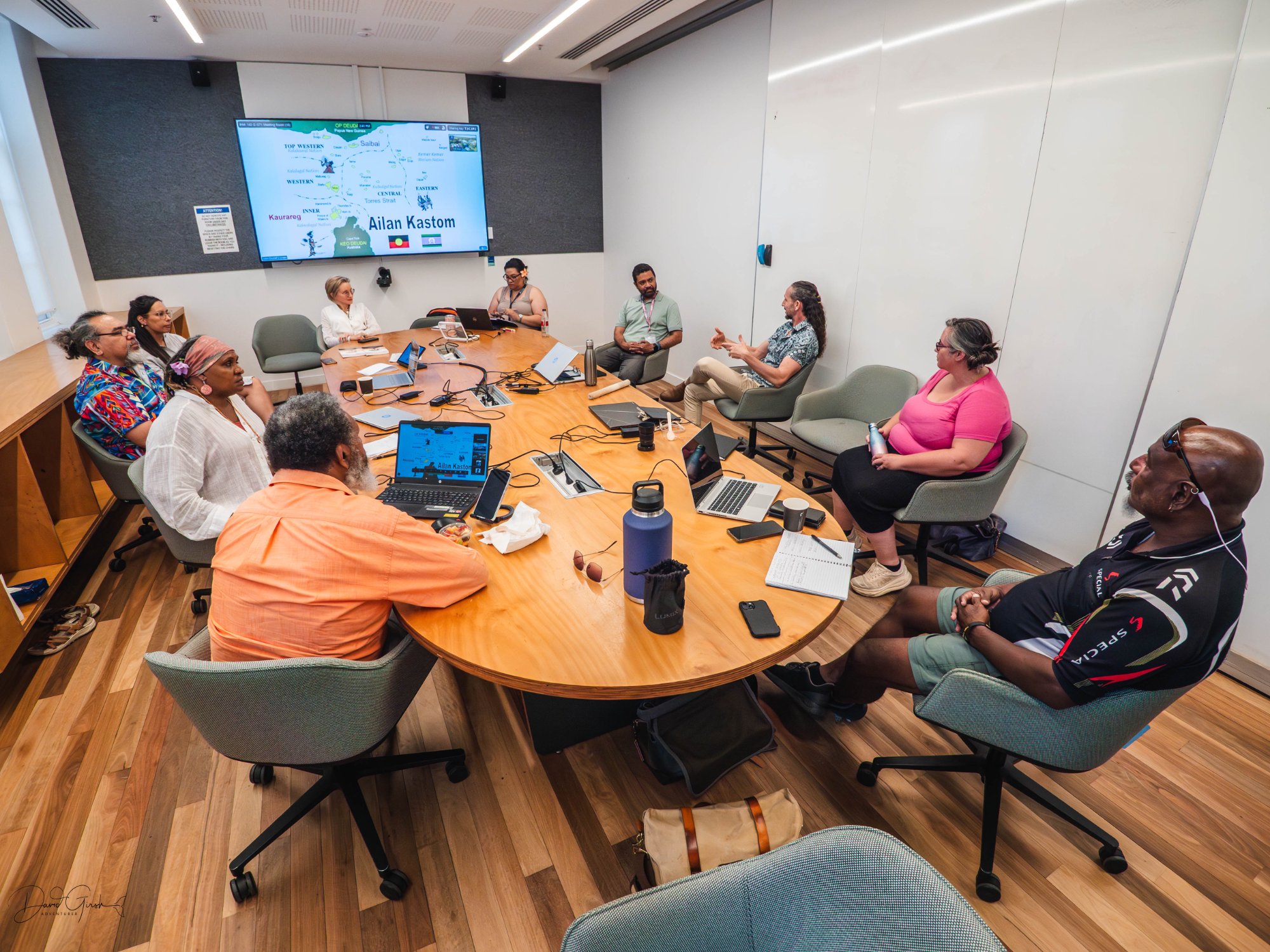
The work on Mer Island is trying to create the institutional structures that allow that knowledge to be formally incorporated into management decisions. An IPA isn't just a land tenure arrangement, it's a recognition that Indigenous people are the appropriate managers of their Country, and that their knowledge and their authority should be the foundation of how that Country is protected.
REEF MONITORING ON COUNTRY
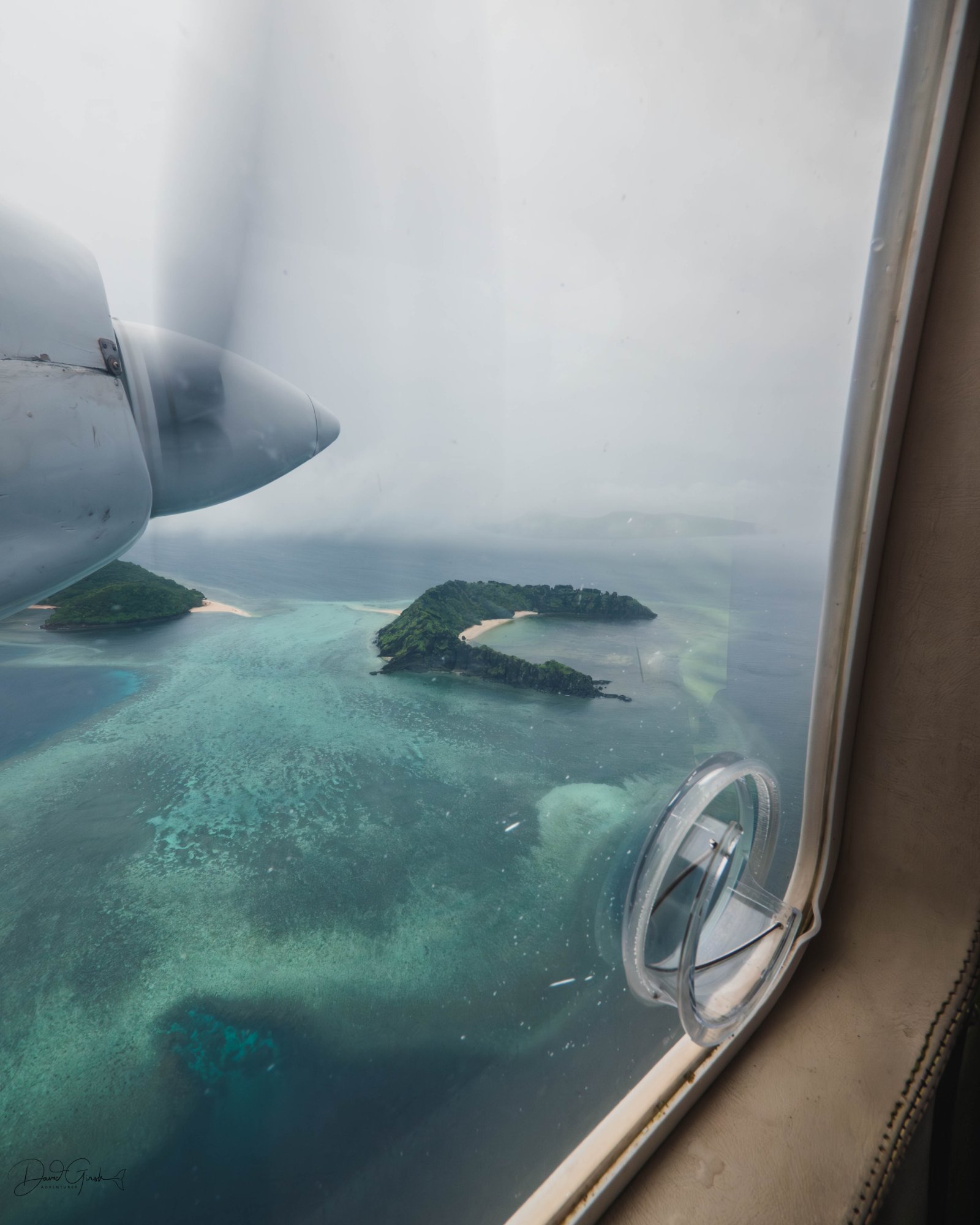
Alongside the terrestrial work, community-led reef monitoring programs are developing in several Torres Strait locations. The model is the same: train local rangers in the methodologies, provide the equipment, build the database, and then step back. The surveys belong to the community. The data belongs to the community. The story belongs to the community.
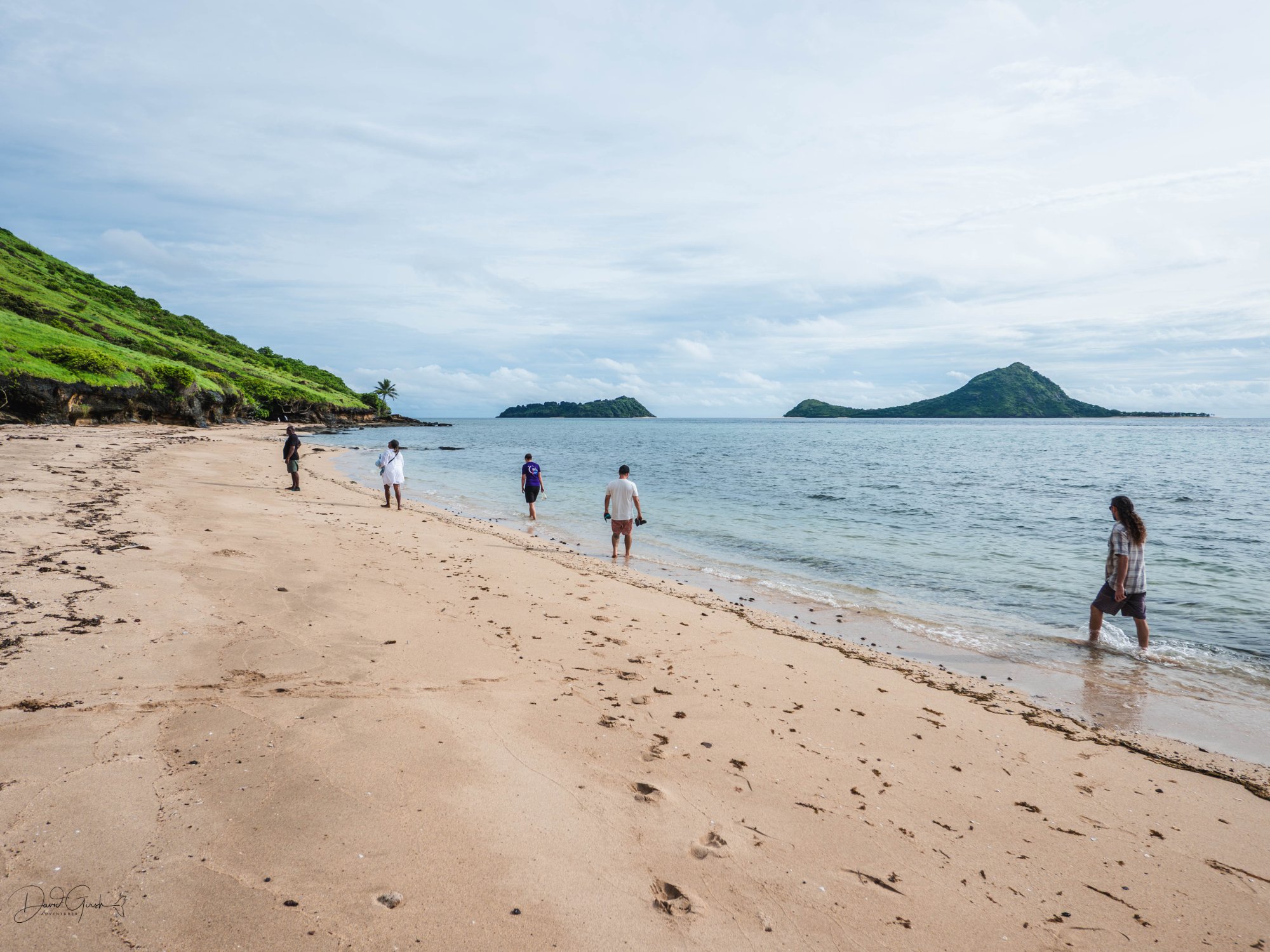

What emerges from that data, over time, consistently collected, is a picture of reef health that external researchers can't easily produce. Quarterly surveys by people who live adjacent to the reef, who know its normal state, who notice anomalies because they see it every day rather than on a biannual research visit. That granularity matters enormously for detecting and responding to bleaching events, coral disease, or shifts in fish populations.
The Torres Strait has been a political battleground for decades, over native title, over climate adaptation funding, over the slow bureaucratic fight for self-determination. The conservation work is inseparable from those broader struggles. Protecting sea country is part of the same project as maintaining cultural practice, securing land rights, and asserting that Torres Strait Islander communities have the authority to make decisions about their own futures.
The guardians were always here. What's changing is whether the systems around them are finally catching up.