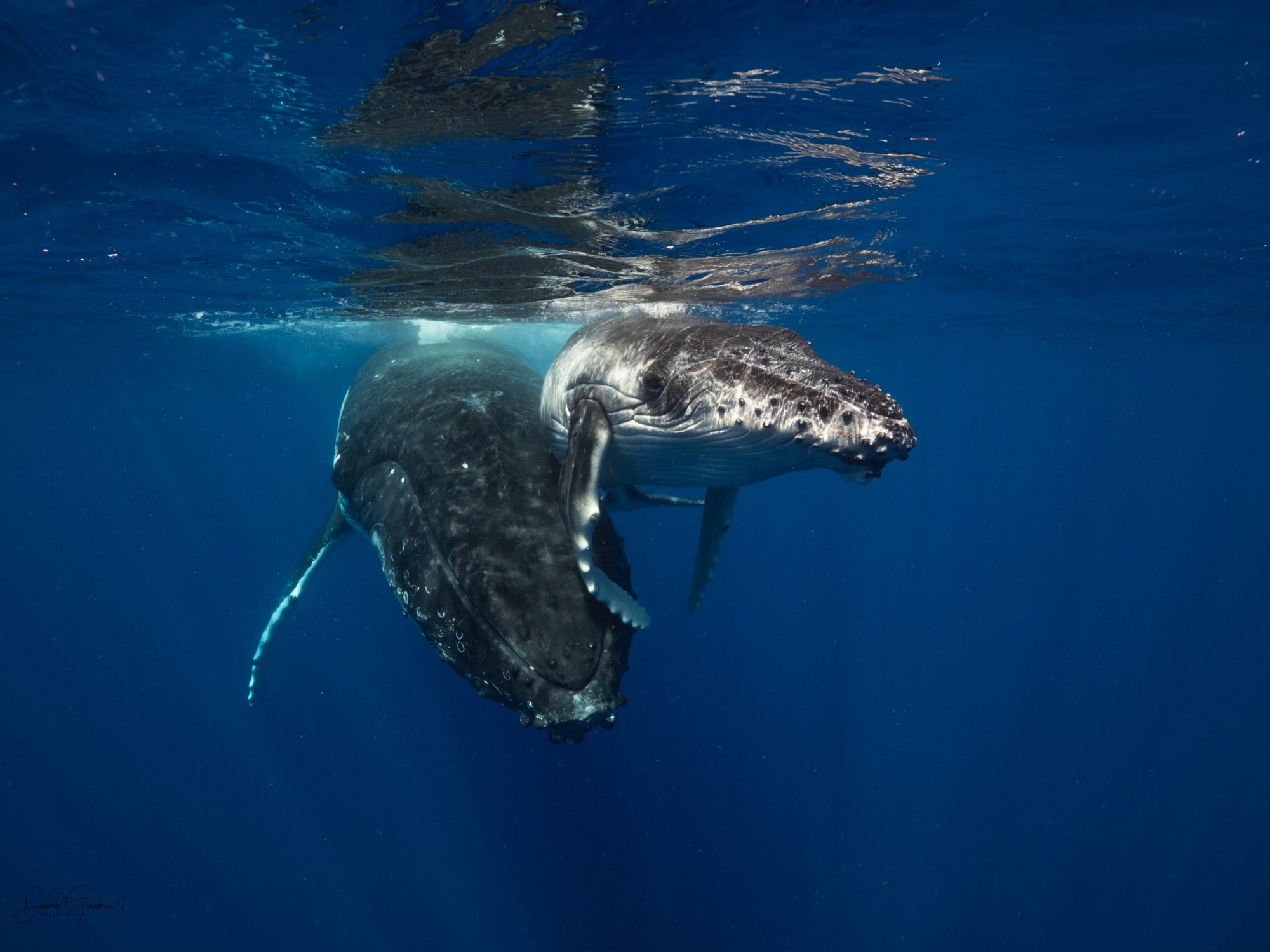
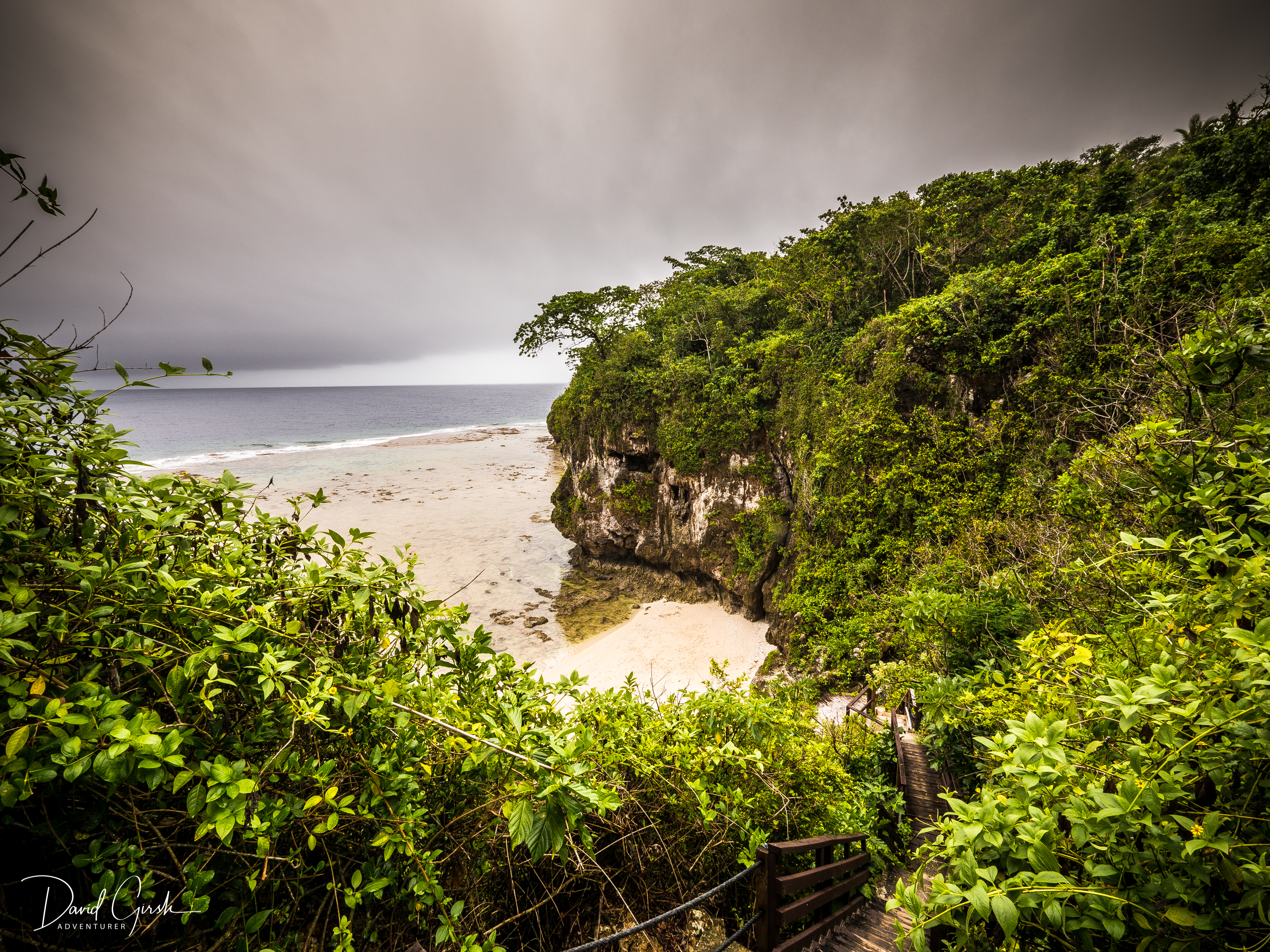
Niue is an island that doesn't make sense on paper. A coral limestone outcrop in the middle of the South Pacific, 2,400 kilometres northeast of New Zealand, with a population of just 1,600 people. The ocean around it plunges to abyssal depths within metres of the shore. The water is so clear you can see 60 metres in any direction. I know this because I spent two seasons living there, 2016 and 2017, working as a dive instructor, whale swim guide, and spinner dolphin guide. Niue got under my skin in a way very few places have.
I'd gone there for the whales, mostly. But you don't live on an island that small, that remote, for two seasons without it becoming something more than a job. The community is tight, 1,600 people, one main road, one dive shop, one set of reefs everyone knows by name. By the end of the first season I knew the regular dive sites the way you know your own neighbourhood. By the second, I knew the individual whales.
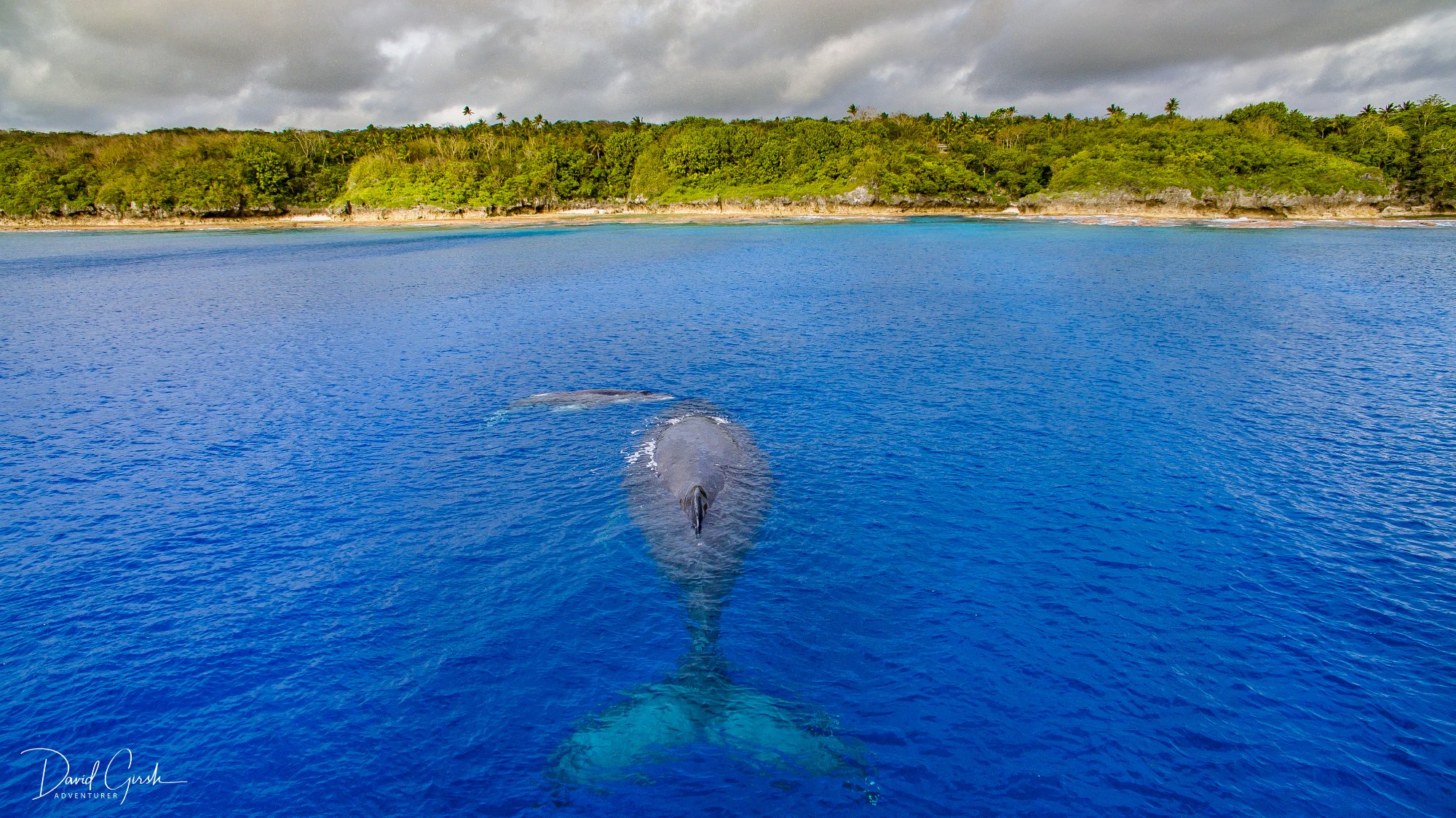
What strikes you first about Niue's waters is the visibility. There's no river runoff, no sediment, no particulate, the island is solid coral limestone and the ocean around it is the cleanest I've encountered anywhere. On a good day you can see 60 metres in any direction. The drop-off into deep blue starts immediately off the shore. It's exhilarating and humbling in equal measure, and it never stopped feeling that way no matter how many times I got in.
The whale season runs roughly July to October, humpbacks from the endangered Oceania population arriving to breed and give birth in the warm, sheltered waters. As a whale swim guide, I was in the water with them almost every day during season. You don't get used to it. Every encounter is different. The animals have personalities, moods, levels of curiosity. Some mothers keep their calves tucked close and want nothing to do with you. Others seem genuinely interested, holding position and watching while their calf investigates. You learn to read them quickly, your guests are depending on you to keep everyone safe and give them the best possible experience, and that means understanding the whale's body language before it becomes a problem.
SPINNER DOLPHINS AND THE DAILY RHYTHM
Between whale trips, there were the spinner dolphins. Niue has two resident pods that are always on the move, cruising the blue water around the island, never stationary, never predictable. You find them by reading the ocean, scanning the surface, following instinct. When you do find them, the technique is everything. I'd slow the boat right down, put guests in the water on both sides, and we'd travel with the pod at their pace. Done right, people become part of the movement, absorbed into the group rather than chasing it. The dolphins, for their part, are more interested in the boat than the swimmers. They ride the bow pressure, investigate the hull, interact with the vessel. The humans are incidental. Which is exactly as it should be.
"You spend enough time with the same animals in the same place and you stop being a visitor. You become part of the system, something they've seen before, something they've decided isn't a threat. That trust is not given lightly and it's not permanent. You earn it every single day."
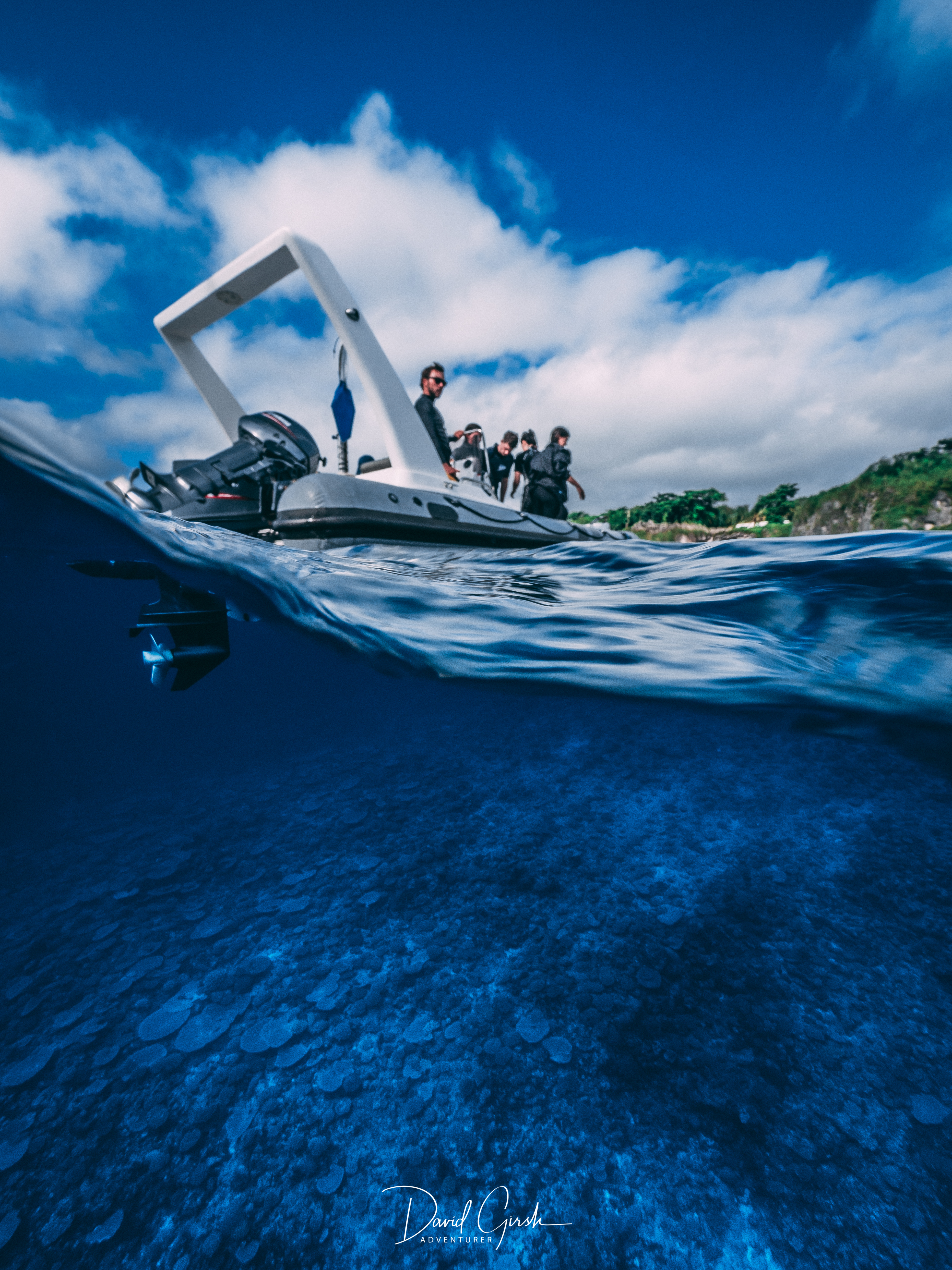
The diving itself was extraordinary. Niue's reef system is healthy, diverse, and largely undisturbed, the low tourist numbers mean the pressure on the ecosystem is minimal, and the Niuean government has been protective of it. I ran dive courses, led discovery dives, took underwater photographers to the sites I knew best. It was the kind of instructing work where you feel like you're giving people something genuinely valuable, not just a certification, but an introduction to a place that few people will ever see.
PRISTINE SEAS AND THE KATUALI
One of the more remarkable days I spent in the water at Niue was guiding a crew from National Geographic Pristine Seas to several of the island's dive sites to film the Katuali, Niue's sea kraits. These are banded sea snakes, common in the waters around the island, and genuinely unbothered by human presence. They'll swim past your mask, investigate your fins, go about their business as if you aren't there. For a photographer and a film crew, they're extraordinary subjects.
The Pristine Seas project, led by marine explorer Dr. Enric Sala, had a larger purpose beyond the filming. Their expeditions combine scientific survey with direct engagement with governments to establish marine protected areas. Niue became one of their success stories, the work done during that expedition contributed to the Niuean government declaring a large marine protected area around the island, one of the most significant in the Pacific. It protects not just the humpbacks and the spinner dolphins and the sea kraits, but the entire ecosystem that makes Niue what it is: some of the clearest, most intact ocean left on the planet.
OMA TAFUA AND THE BIGGER PICTURE
It was through that sustained presence, two seasons, daily water time, relationships built with the local community, that I got to know the work of Oma Tafua. The organisation was founded by Fiafia Rex, who has spent over 20 years building a photo-ID catalogue of every humpback that passes through Niuean waters. Her name means "to treasure whales" in Niuean. That's exactly what she does.
The Oceania humpback population is genetically distinct from other humpback populations, still critically depleted from the whaling era, still recovering. Every fluke photograph I took during my seasons there went into the catalogue. Cross-referenced against sightings from Tonga, New Caledonia, the Kermadecs. Individual whales tracked across years, across oceans, their life histories assembled photograph by photograph by the people who were paying attention.
The Oceania population numbers perhaps 4,000 individuals today. Pre-whaling estimates put it at 30,000 or more. Every calf born in Niuean waters is meaningful. Two seasons watching them arrive, and leave, and sometimes come back, it gives you a particular investment in whether they make it.