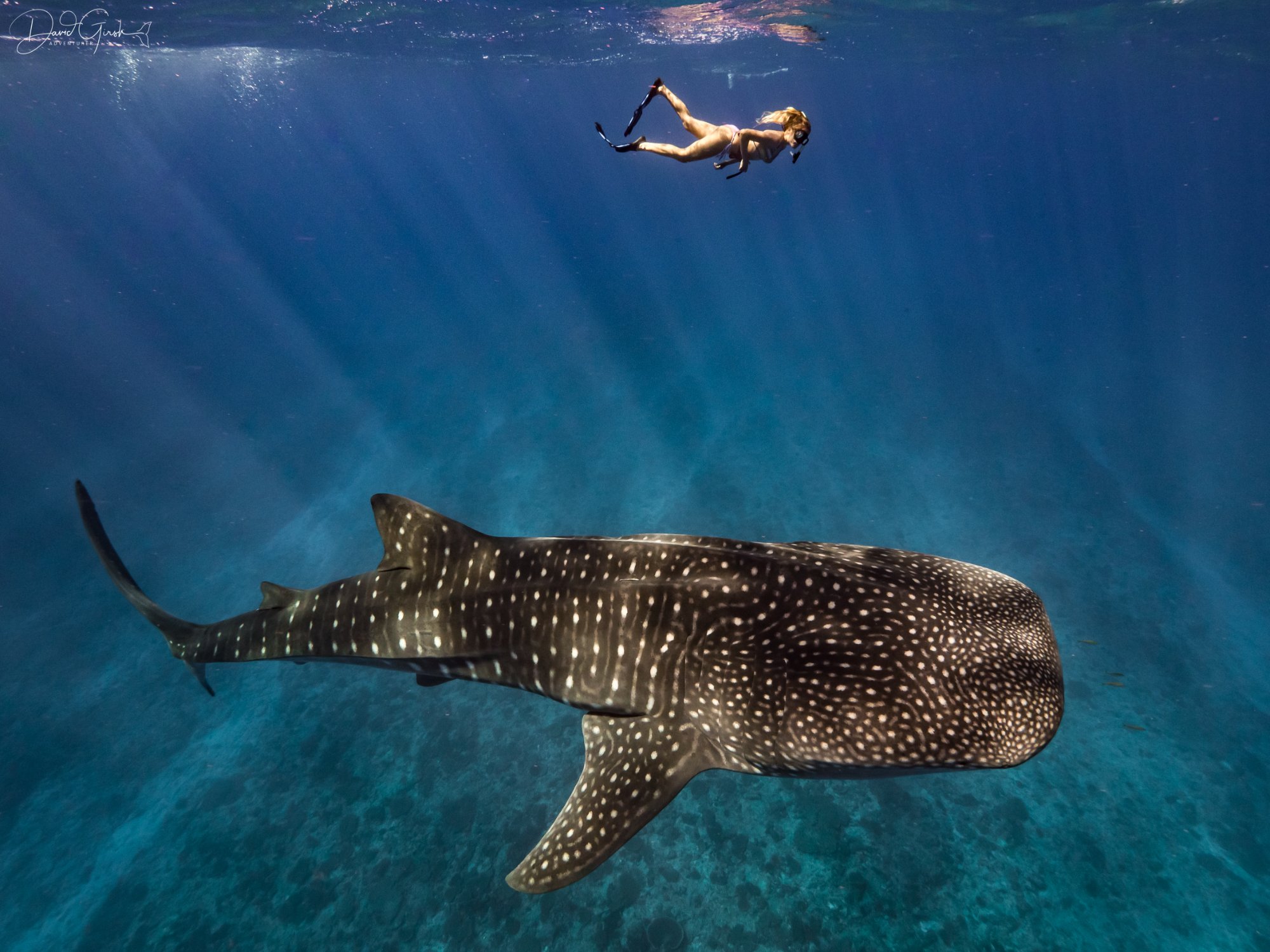
I grew up diving Ningaloo. Not literally, but when you've spent enough seasons on that coast, when you know the direction the current runs in June and the exact sandbar where the whale sharks congregate in April, it becomes yours in some meaningful way. So when the bleaching reports started coming in last summer, it felt personal.
Ningaloo Reef stretches over 300 kilometres along the remote northwest coast of Western Australia, from Exmouth Gulf down toward Coral Bay. It is one of the longest fringing reefs in the world, and unlike the Great Barrier Reef, it sits just metres from the shoreline, which means you can walk off the beach and be in the middle of it. No boat required. That accessibility is part of what makes it extraordinary, and part of what makes its protection so urgent.
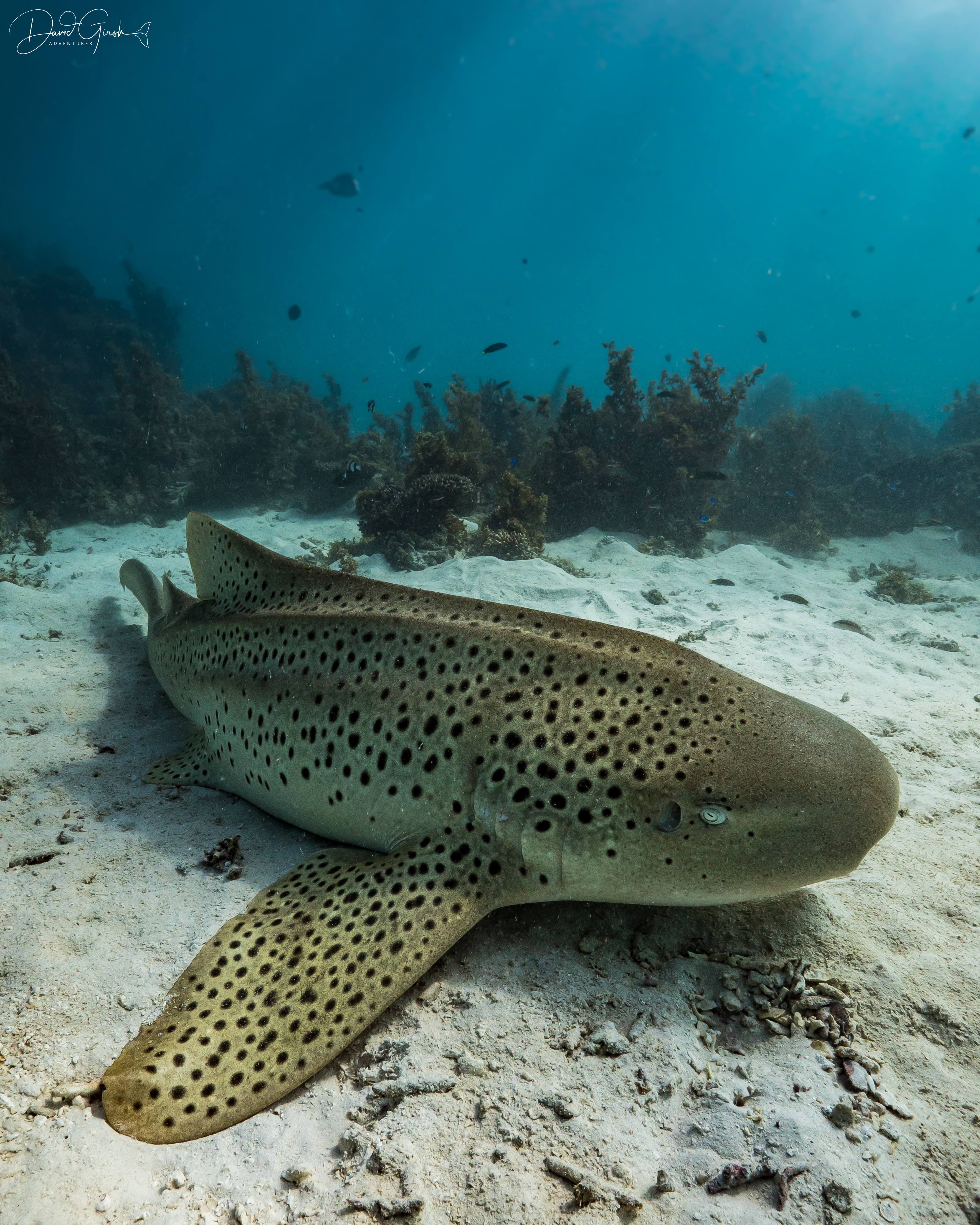
The species list reads like a greatest hits of marine life. Whale sharks, the world's largest fish, arrive every April to feed on coral spawn, drawing snorkellers from across the globe. Manta rays cruise the shallows. Humpback whales pass through on migration. Tiger sharks patrol the outer drop-offs. Dugongs graze the seagrass meadows. Hawksbill and loggerhead turtles nest on the beaches. On any given dive, you might encounter hammerhead sharks, giant trevally, leopard sharks sleeping on the sand, and reef systems so healthy they look like they were designed by someone with unreasonably high standards.
But last summer, something shifted. The water temperatures climbed. The coral began to bleach, not in isolated patches, but in sweeping corridors across the reef structure. From the Exmouth Gulf to the outer reef, the signs of thermal stress were unmistakable: ghostly white colonies where there had been colour, algae moving into the gaps left by dying coral.
Bleaching doesn't always mean death. Coral can recover if temperatures drop in time. But the recovery window is getting shorter, and the events are becoming more frequent. What was once a once-in-a-decade stress event now arrives every few years. The reef is running out of time between bleaches to rebuild.
THE PEOPLE PUSHING BACK
That's where Protect Ningaloo comes in. The organisation has been a consistent voice for the reef since the early 2000s, when a proposed industrial port threatened to bisect the ecosystem. They won that fight. The reef became a UNESCO World Heritage Site. But heritage listing doesn't insulate coral from warming oceans, and the work continues.
"We've protected it from bulldozers and dredgers. Now we have to protect it from us, from our carbon, our choices, our collective failure to act with the urgency this place deserves."
The current focus is dual-track: local pressure reduction, water quality, anchoring practices, tourism management, combined with a much louder national campaign pushing for stronger climate commitments. Neither alone is sufficient. Both are necessary.

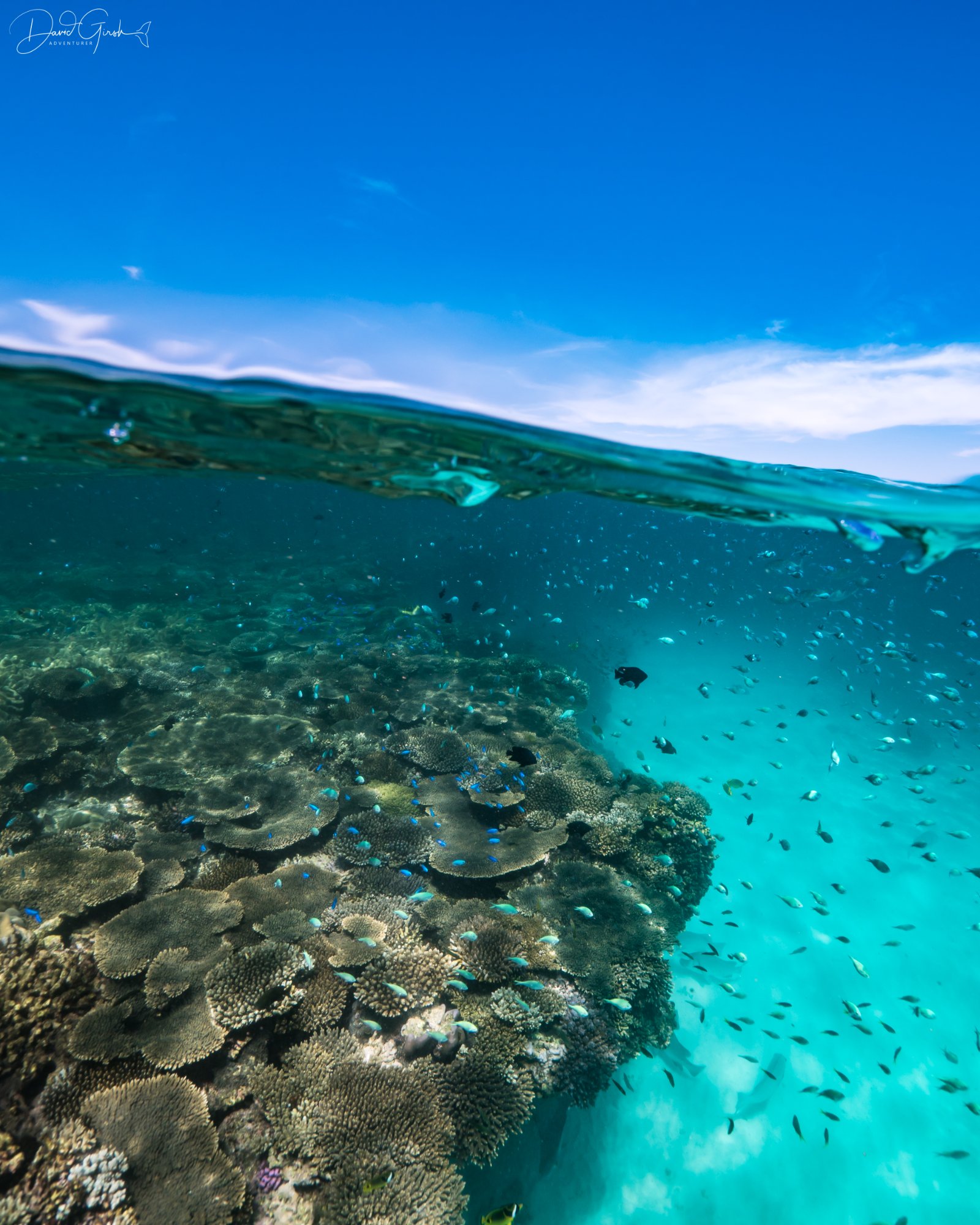
I spent time with their team documenting the reef, above and below the surface. There is something viscerally clarifying about hovering over bleached coral with a camera. The abstraction of climate change dissolves. It's not a graph or a projection. It's white bone where there was colour. It's silence where there was movement.
And then, two metres away, a leopard shark drifts past, utterly indifferent to your presence, and you remember that the system isn't dead yet. There is still extraordinary life here. There is still something worth fighting for.
WHAT YOU CAN DO
If you've ever swum at Ningaloo, or if you've ever wanted to, Protect Ningaloo is worth your attention and your support. They're a small team doing outsized work, and the reef they're protecting is genuinely irreplaceable.
Visit protectningaloo.org.au to learn more, donate, or add your voice to their campaigns. And if you're heading to Exmouth, dive the reef. See it. Let it matter to you. The best conservation advocates are the ones who've looked a whale shark in the eye.