She says it directly to camera, and she means it.
"Young people. We are coming for you."
Elsa Day is a Meriam elder from Murray Island. She's a language teacher, from the Komet tribe, one of eight on the island. Her totem is the gecko, a messenger that carries word across the villages. Fitting, the way she talks.
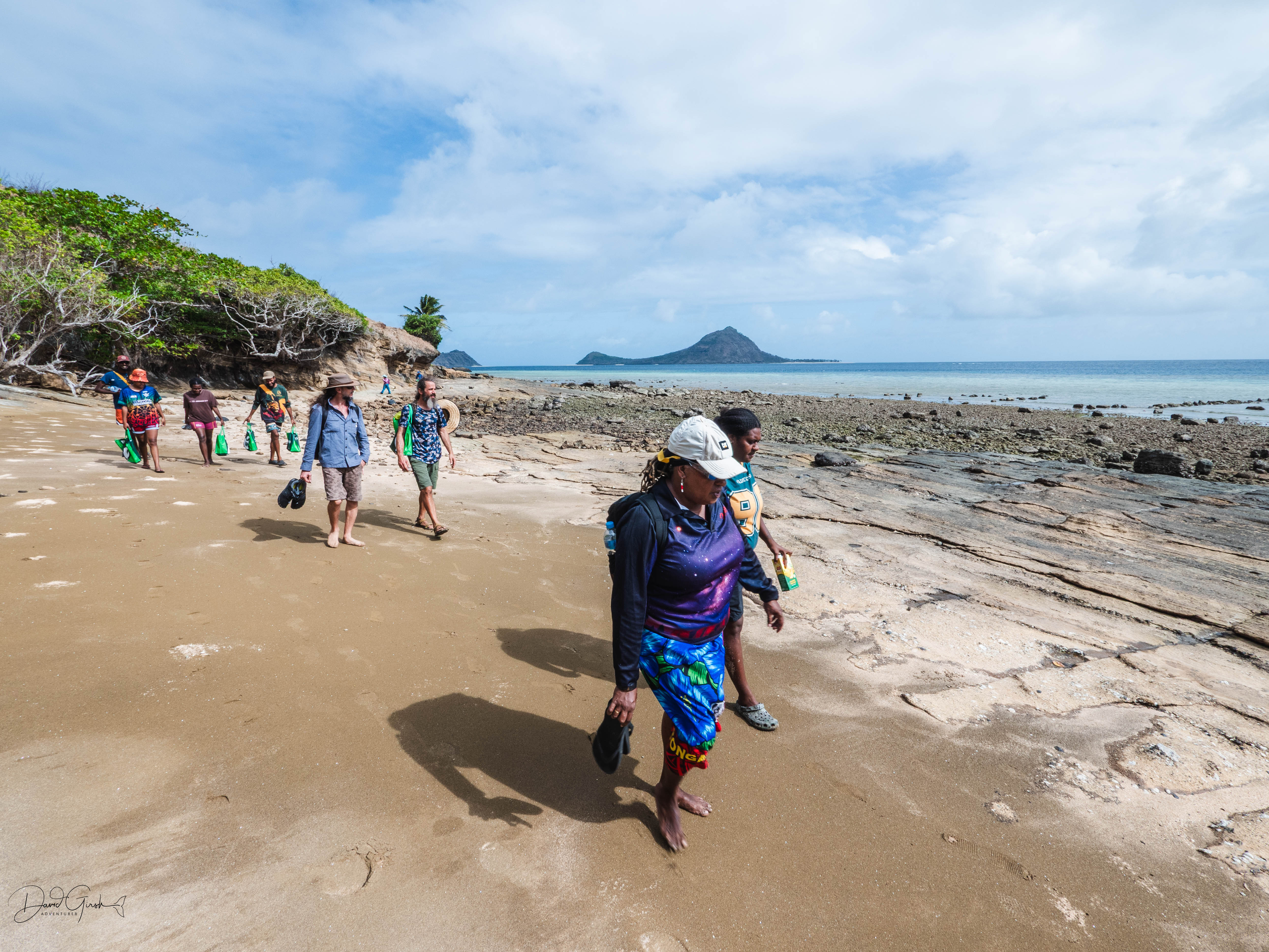
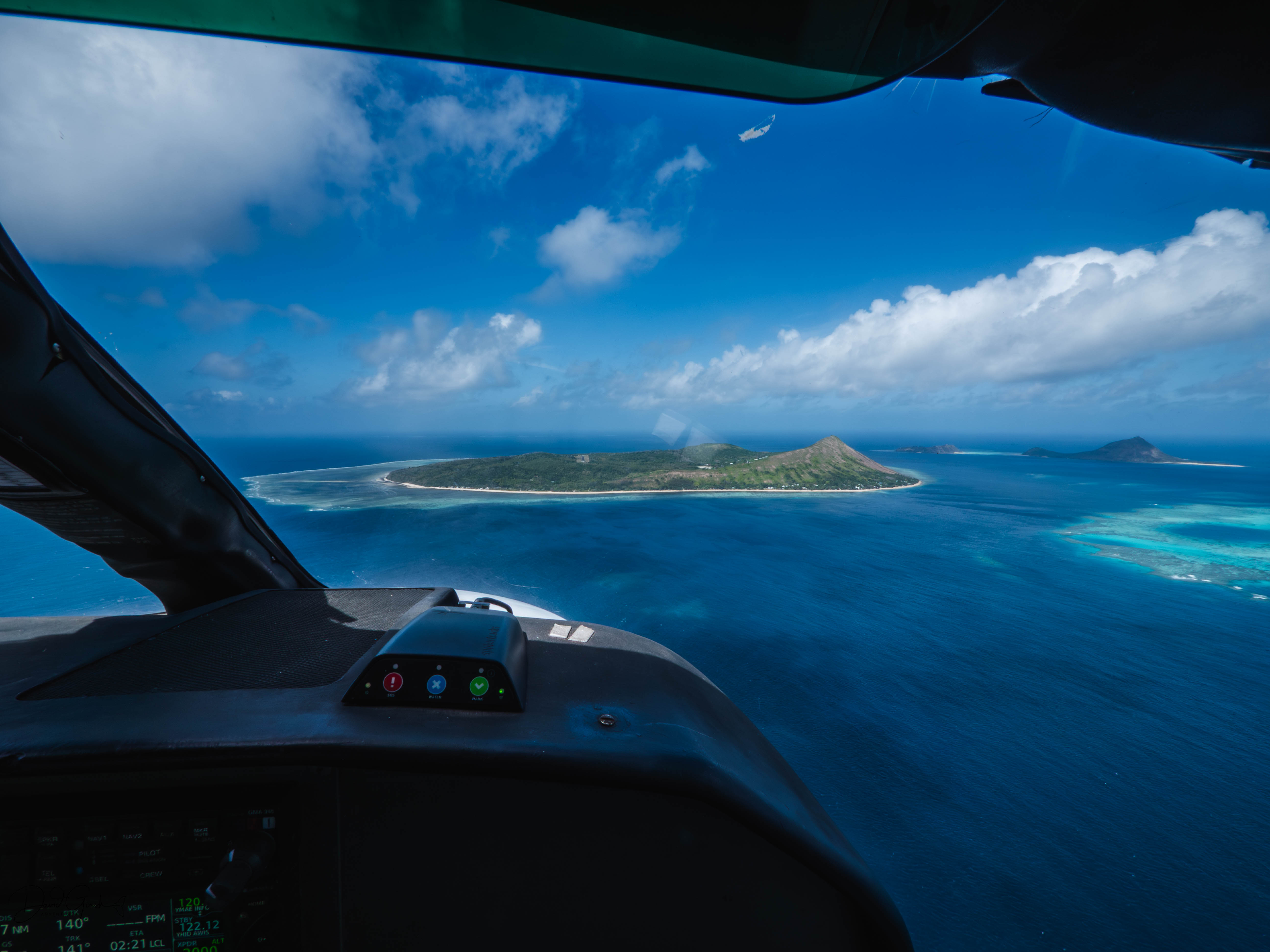
I was on Mer Island for three weeks, documenting work by Beizam Cultural Production, Envirotech Education, and Maiso Meriam Mir. I had a camera. I was there to be a witness, and some of what I witnessed is the kind of thing that stays with you.
The nature does something to you on its own. But it was the energy of the people that stayed with me most. The warm welcome. How strong the will was, right across the community, to bring education and training onto country.
Meriam Mir is the language of Mer Island. It's classified as an endangered language in the Torres Strait now. The elders who grew up speaking it as a first language are getting fewer, the fluent speakers are getting fewer, and when a language goes, it doesn't just leave silence, it takes everything that lives inside it.
"Right now, I'm teaching Meriam Mir," Elsa said. "Because our elders in the community, they worry. There's only a few left speaking fluently."
She's not waiting for someone to save it, she's teaching it herself.
That teaching runs through Maiso Meriam Mir, the language and culture organisation built on Mer for exactly this, passing Meriam Mir and Meriam knowledge from Elders to the next generation formally, on purpose, not left to chance. On Mer, that's not a side project. That's the real work.
She wasn't the only elder saying it plainly that day. Andrew Passi, an elder of the Dauareb tribe, put it even simpler.
"We are not a drop in the ocean. We are the ocean in a drop."
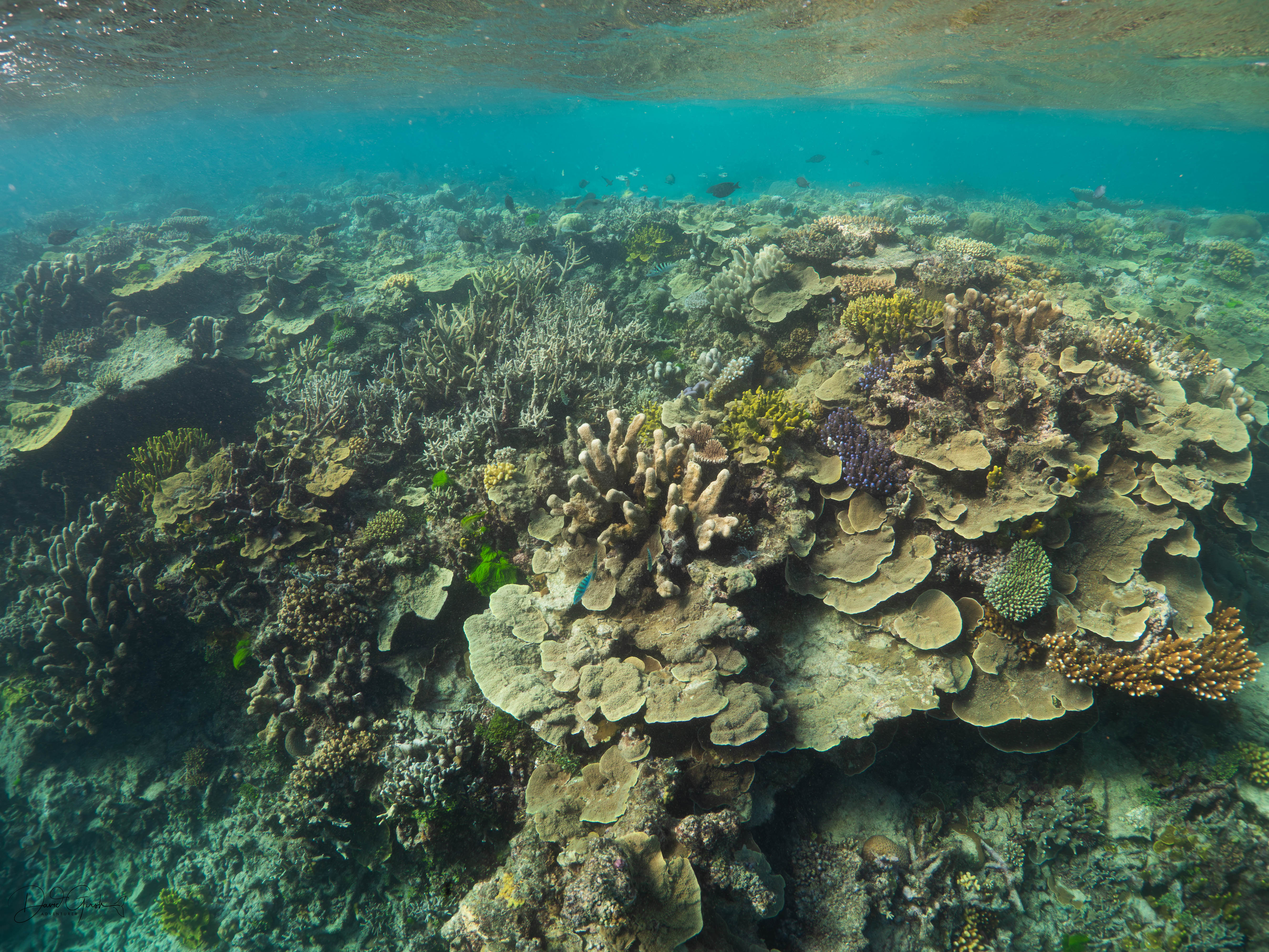
I've been thinking about that since I heard it. He's not describing a community that lives near the sea, he's describing people for whom the sea is the whole thing. Identity, food, economy, memory, highway. For Meriam people, the water is the substance, not the backdrop.
"The sea is our highway," Andrew said. "If we lose everything in the water, we won't survive. It's part of our life."
The threat to the reef and the threat to the language are the same threat really. Same direction. Same response needed.
That response was happening on Mer.
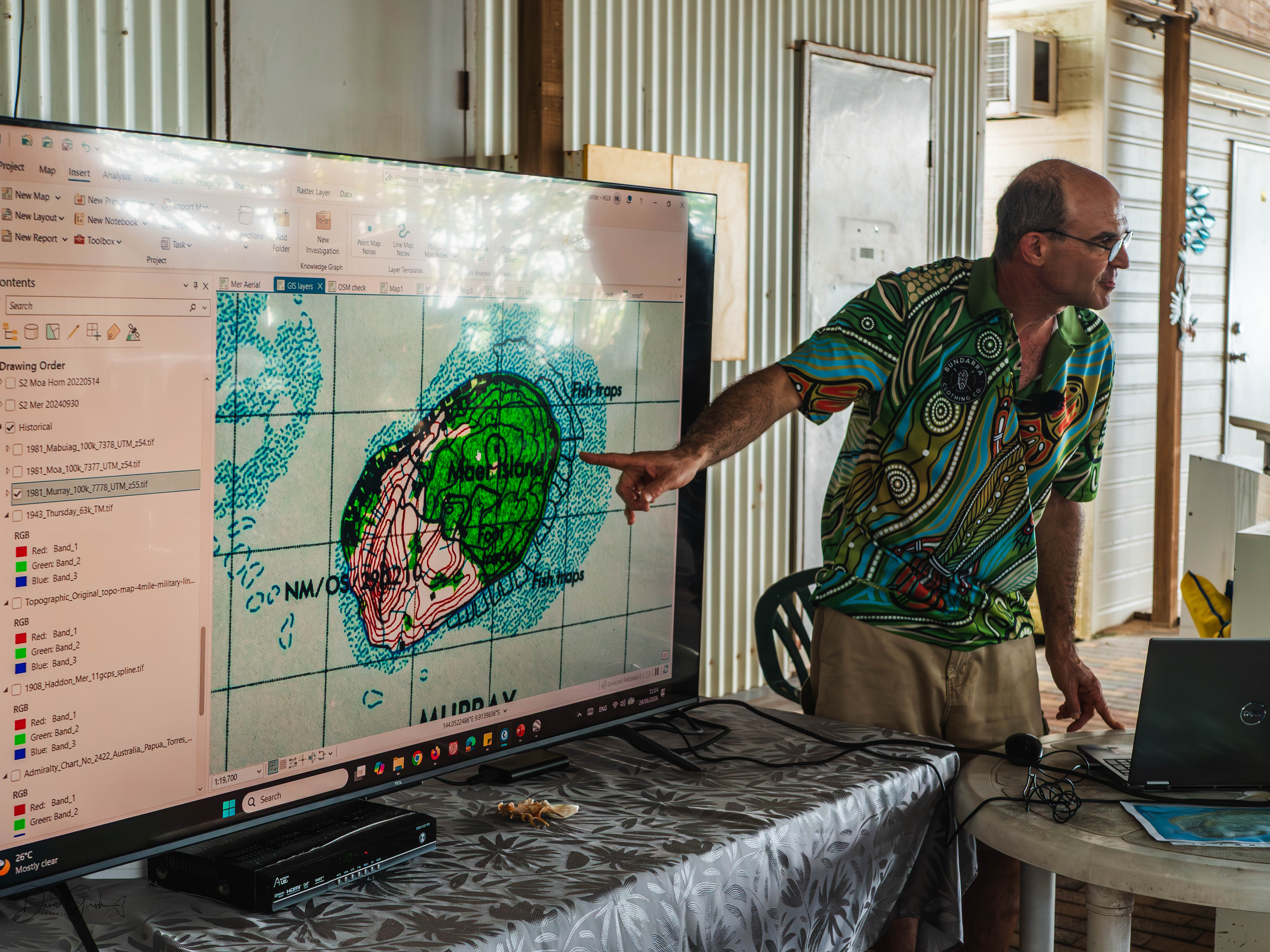
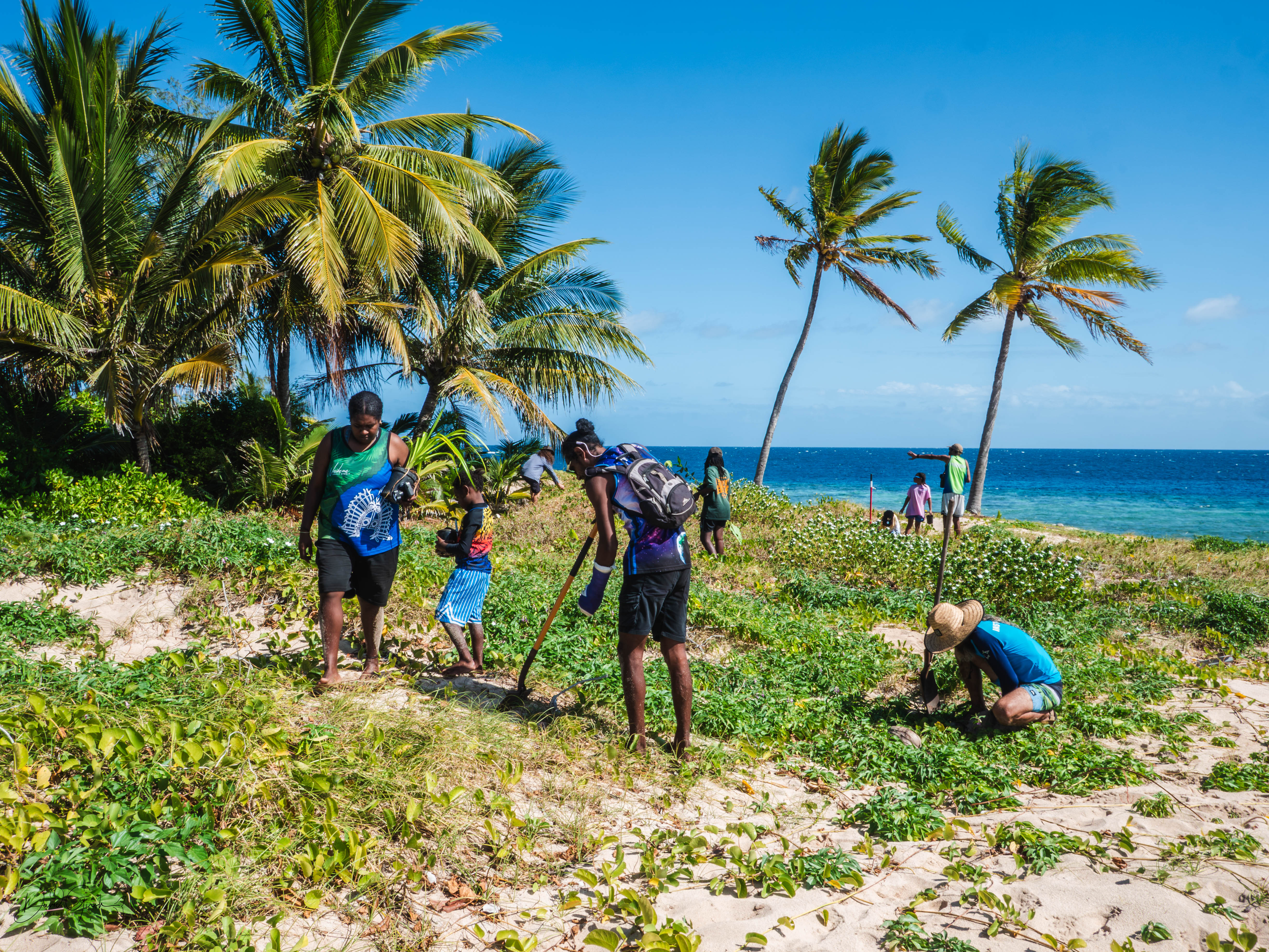
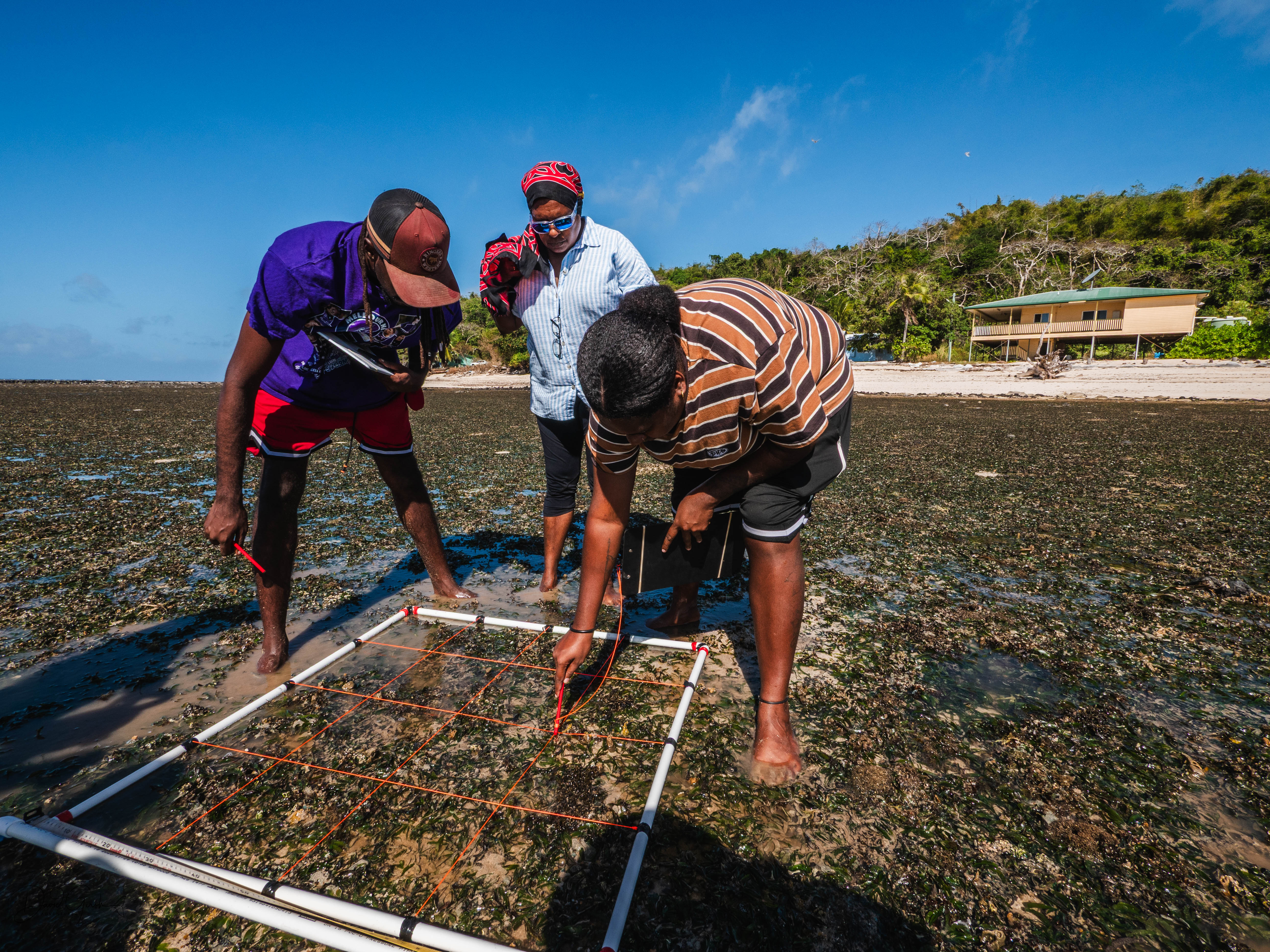
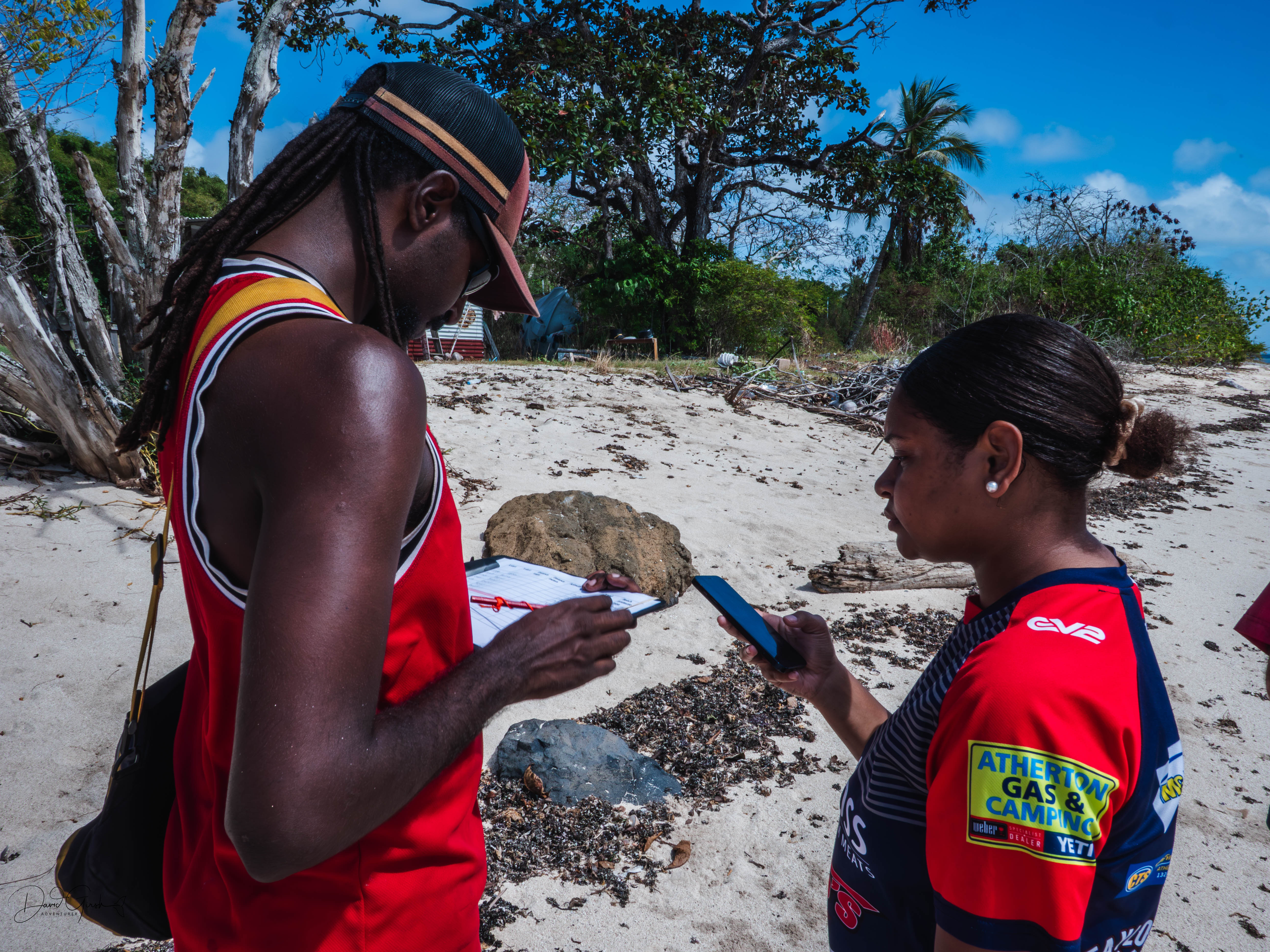
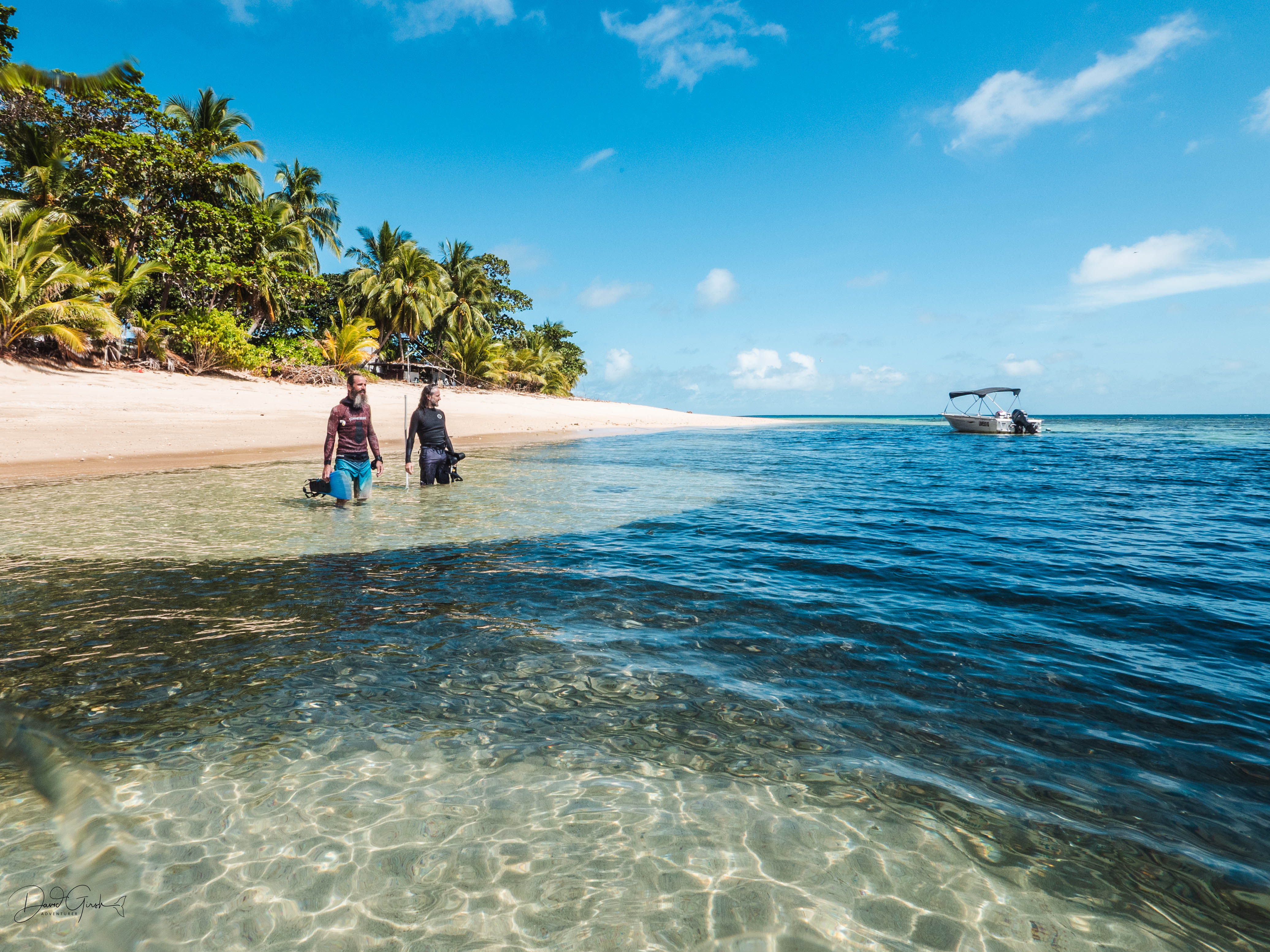
The MERIT/MERSEA program brought Envirotech Education to the island for two weeks. Envirotech runs a training pathway that goes all the way from Certificate III through to the Diploma of Marine Habitat Conservation and Restoration, the only program of its kind in the world. They came in partnership with PuipiKak Malu and Beizam Production, working with young Meriam people through fish-trap restoration, reef care, erosion management, and marine ecology. All of it on country. All of it grounded in the place the participants had grown up in.
"I signed up because I really enjoy being out with nature," one of the students told me. "I love my island so I want to help."
That simple. Not a career calculation, not some environmental awakening prompted by an outsider. Just someone who already loved where they were from and wanted to do something real about it.
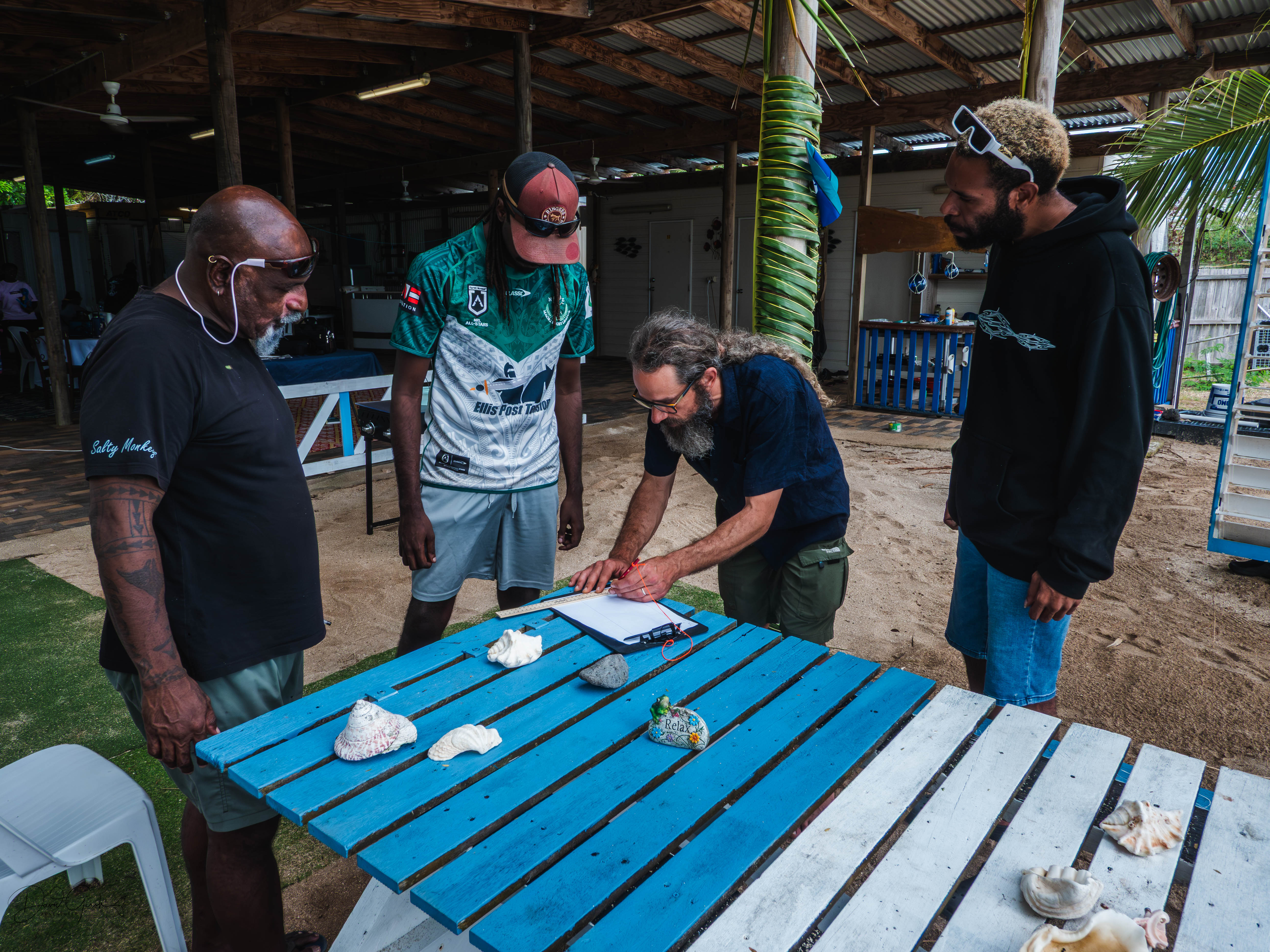
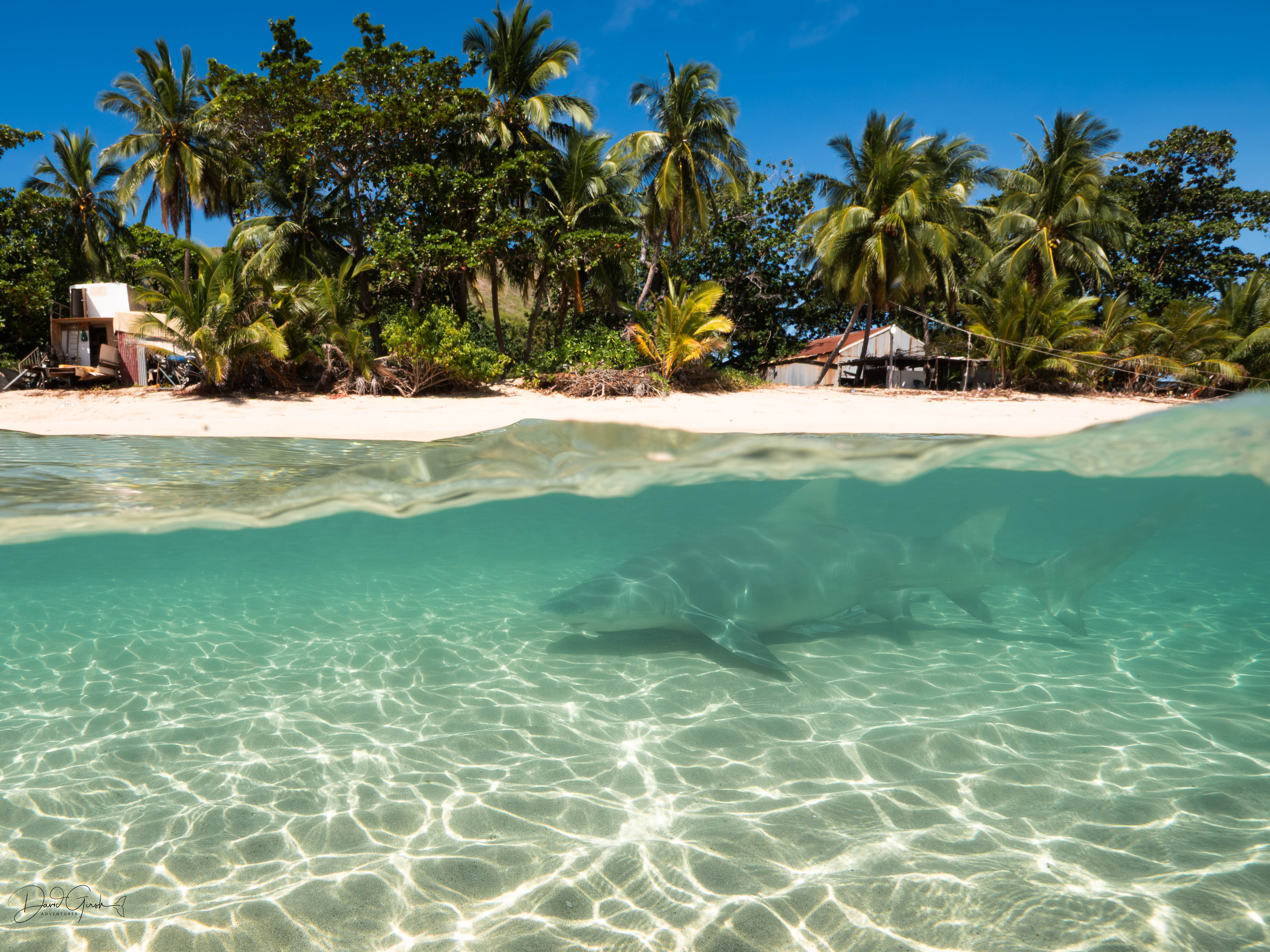
The detail that stayed with me most came from Elsa, almost as an aside, reflecting on the program.
"I'm very happy that they now practice those two languages," she said. "Learning those marine species in scientific language and also in Meriam Mir."
Both languages, same lesson. Scientific taxonomy and the Meriam name, side by side.
When you learn to name something in your own language, you're not just adding vocabulary. You're saying this belongs to us, this reef, this fish, this knowledge, we named it before anyone arrived to catalogue it. We've got a word for it that carries thousands of years of relationship inside it. The scientific name's useful too, but the Meriam name is the one that comes from here.
A species with a name in Meriam Mir is a species the Meriam people have a relationship with that predates the scientific record. Teaching both names in the same lesson says both ways of knowing are real, and maybe the older one is the one most worth protecting.