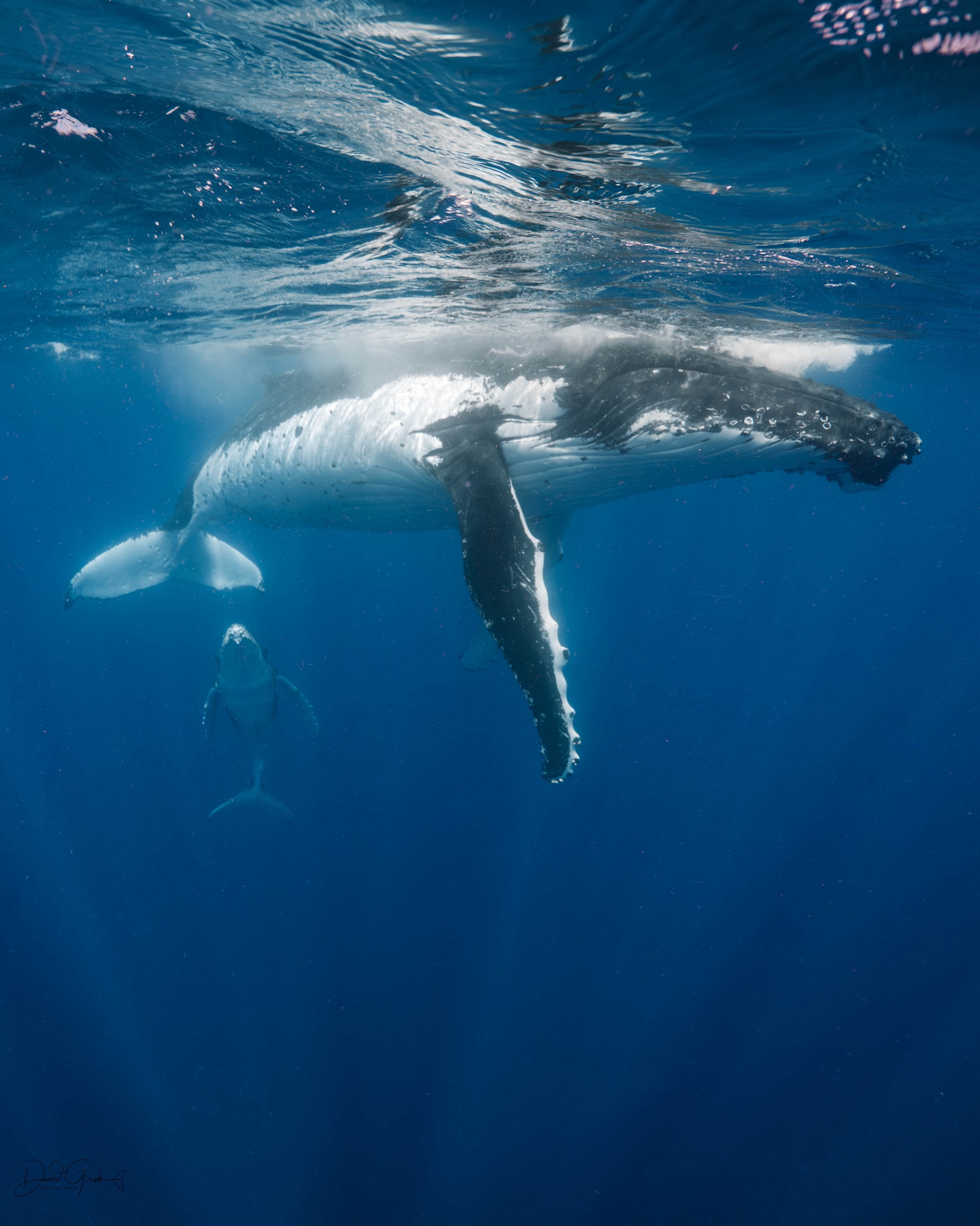
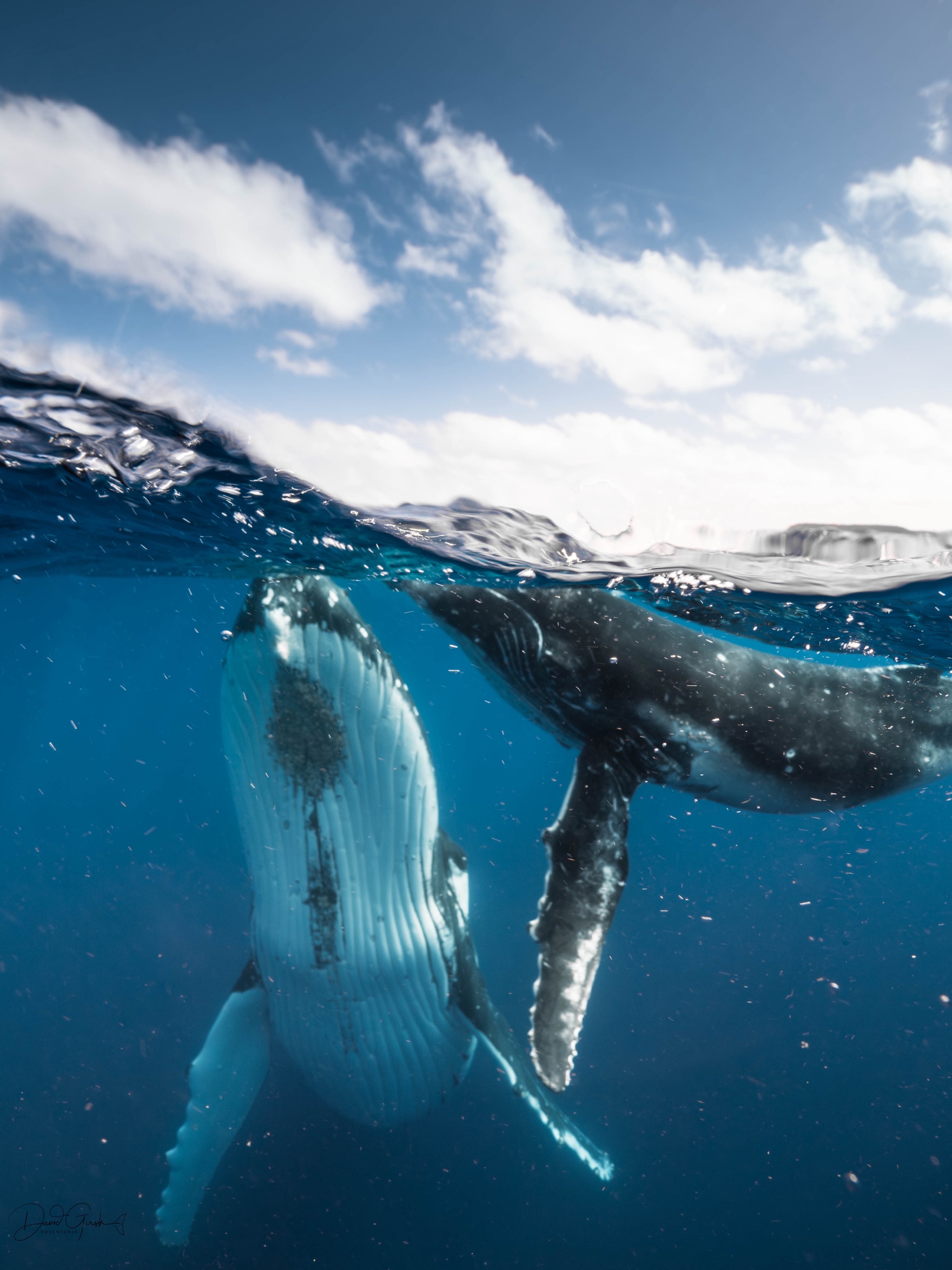
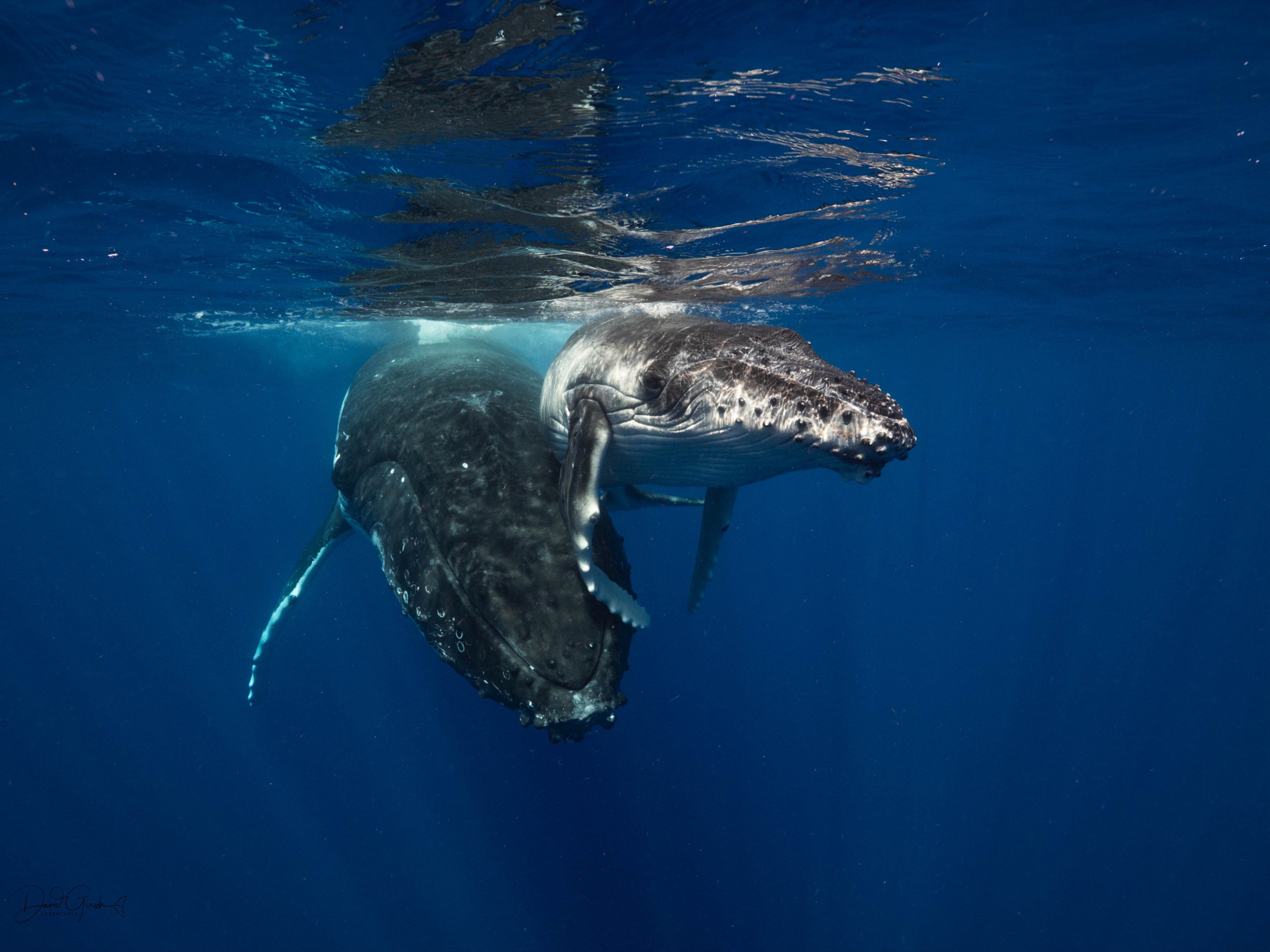
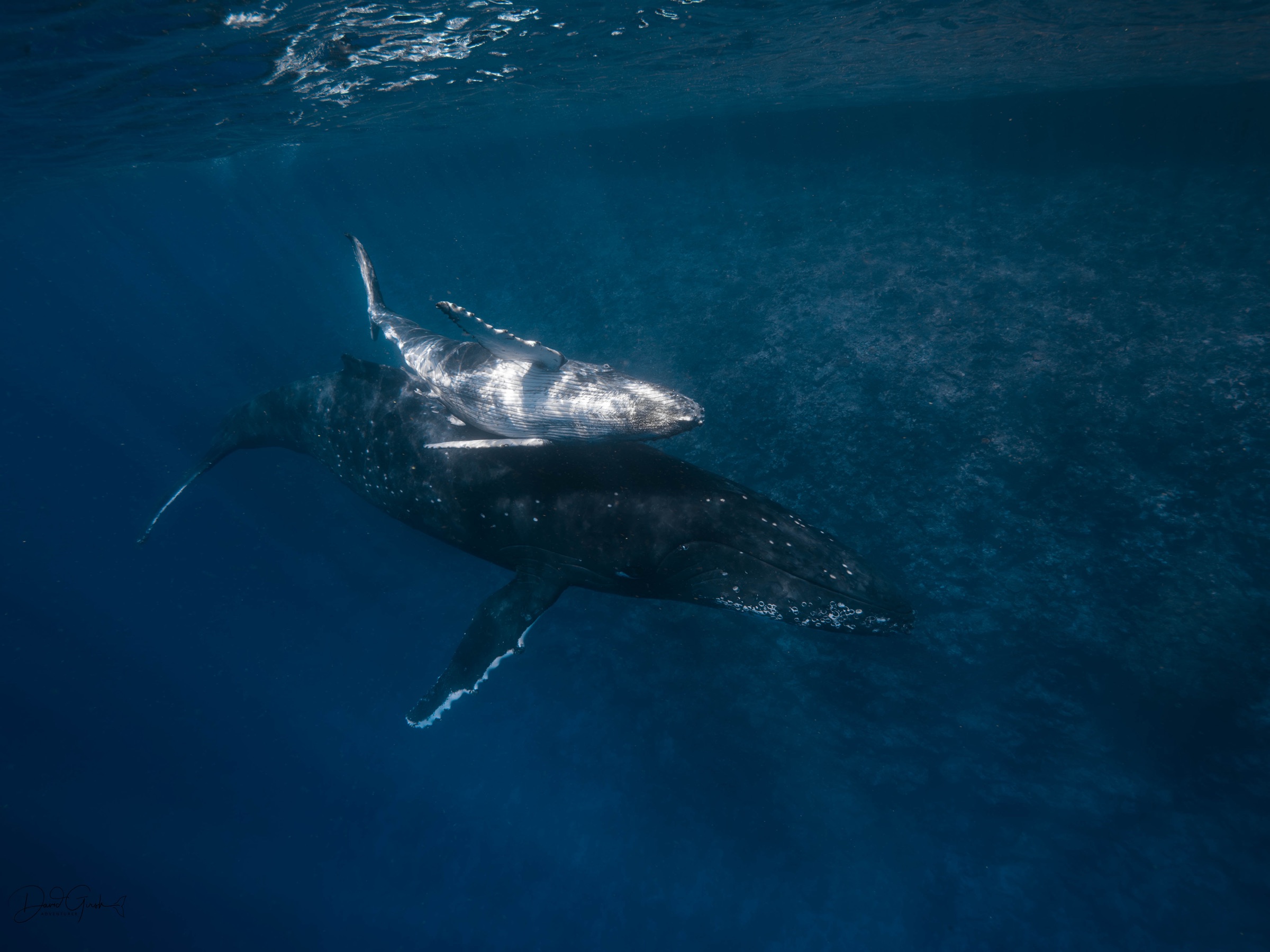
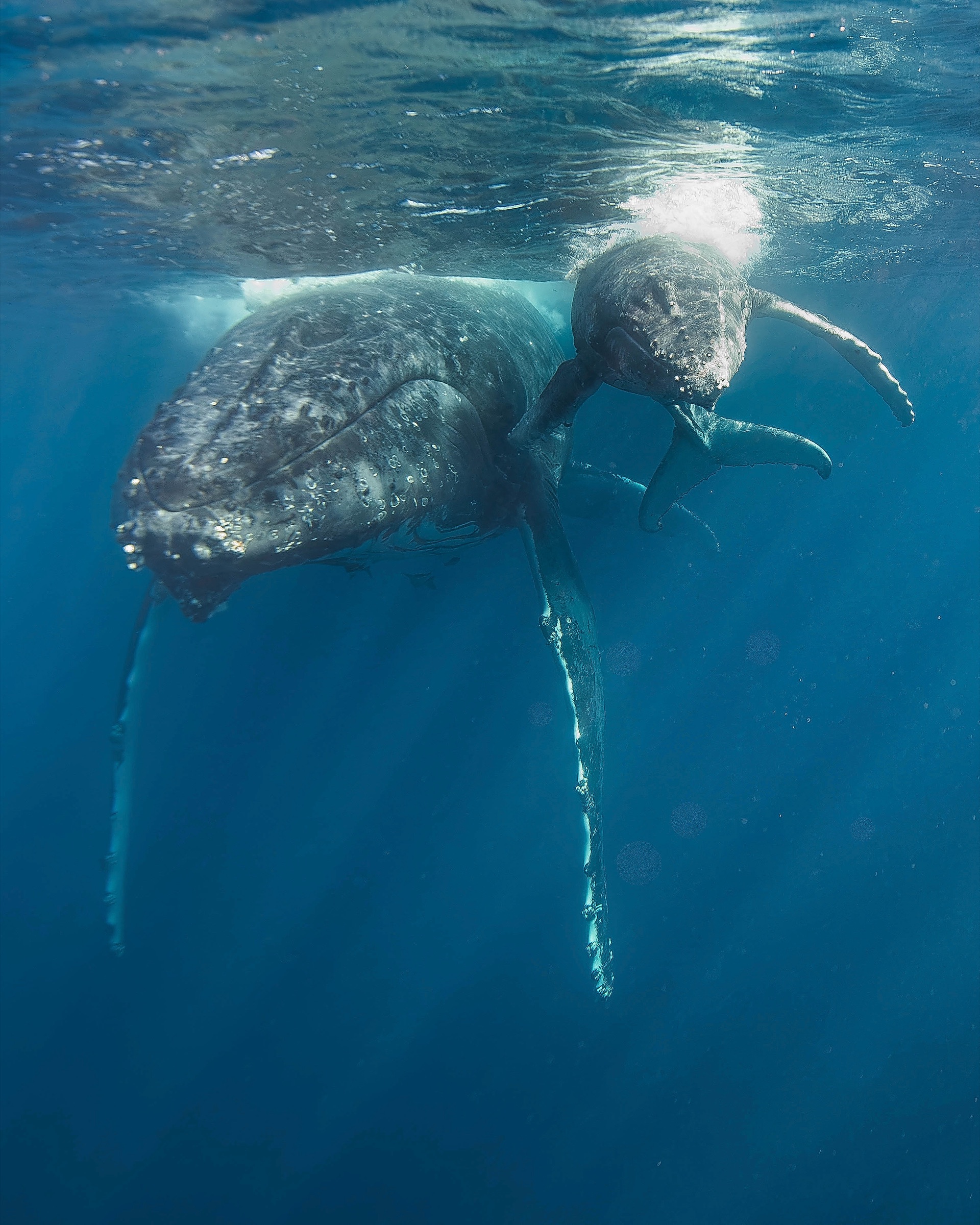
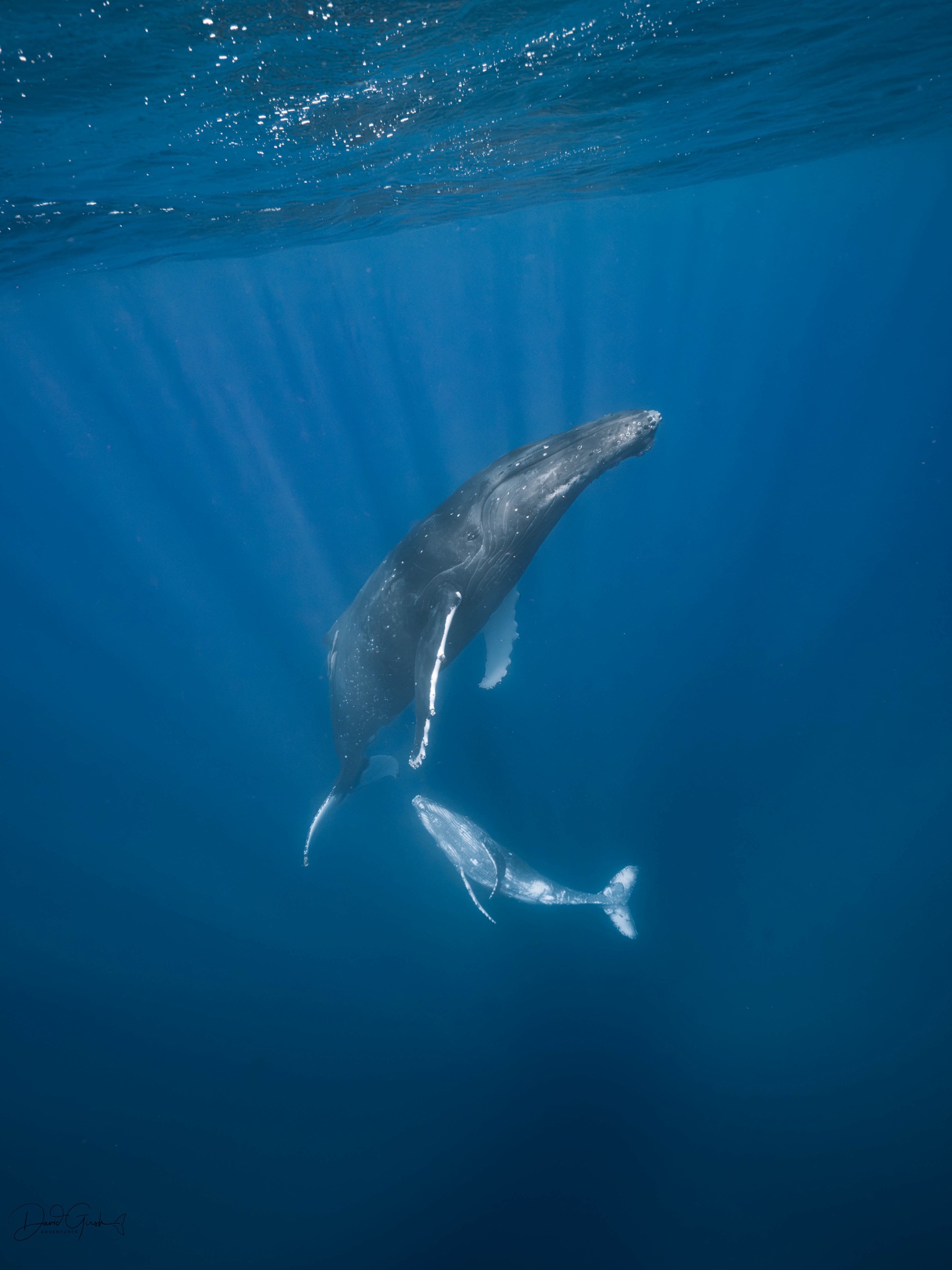
Nine nights in Vava'u. Six days in the water. Six guests, one boat, and a few thousand humpbacks who come here every year to breed, calve and sing.
Every winter, humpbacks make the five thousand kilometre run up from Antarctica to Vava'u. They come here to give birth, to mate, to socialise, and to rest after a journey like that. The water is warm, it is sheltered, and it is safe, which is why they have been coming for longer than anyone has been counting.
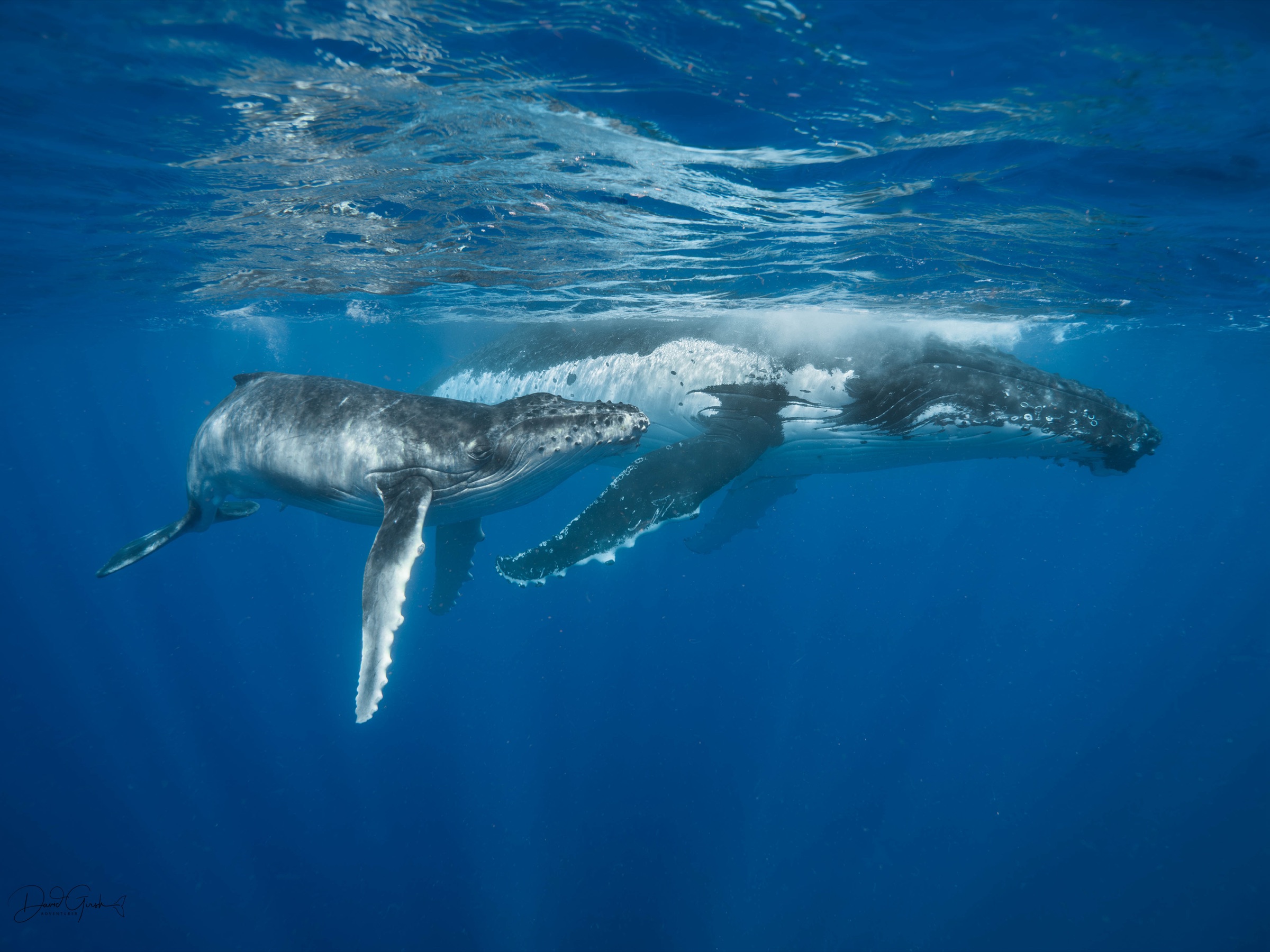
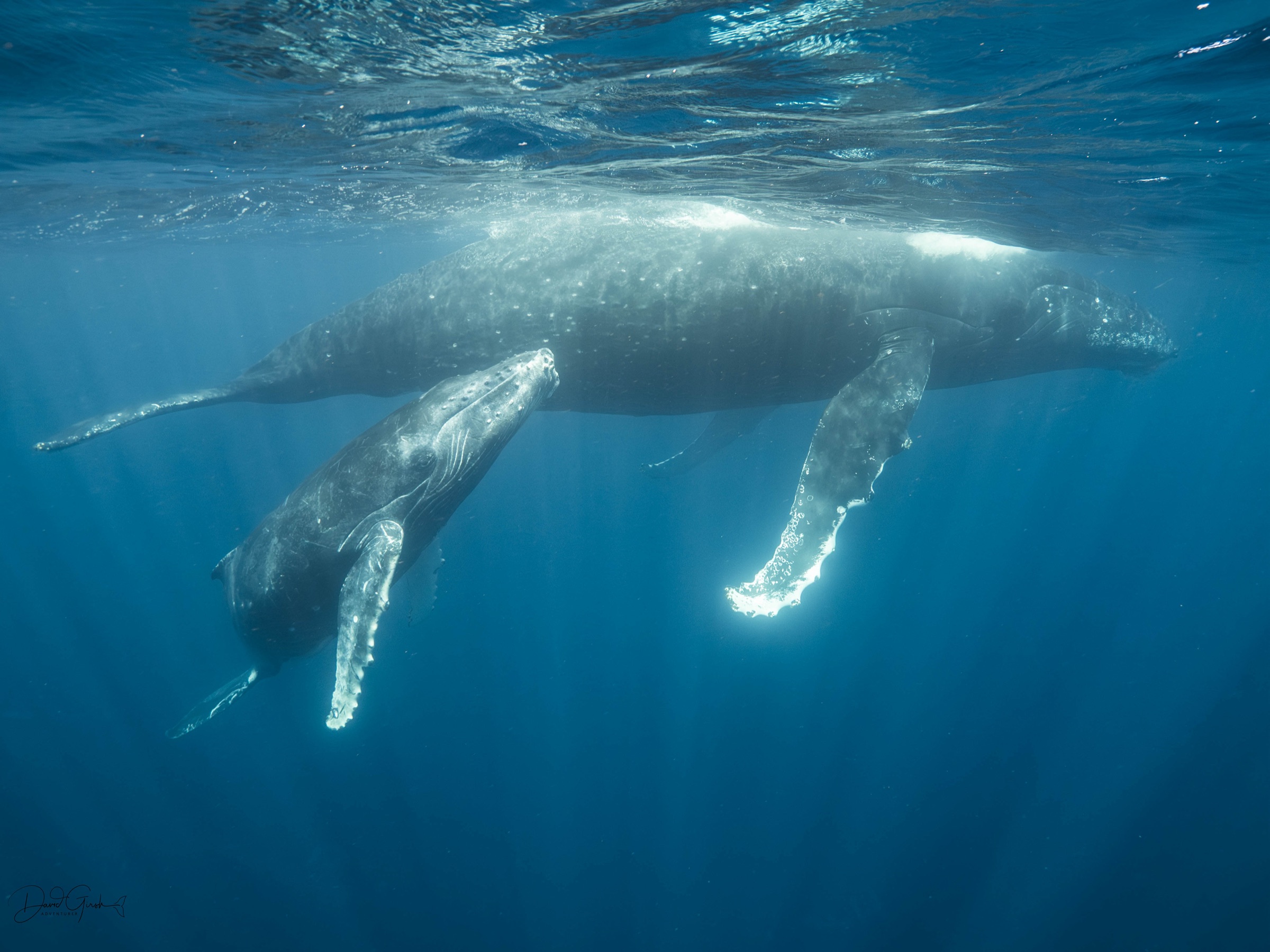
You get time with mothers and their calves. And at some point in the week you will almost certainly be in the water when a male starts singing, which you do not so much hear as feel, right through your chest. None of that happens in an aquarium or off the back of a big boat. It only happens out here, in their water, on their terms, and Tonga is one of the only places on earth where you can legally get in with them.
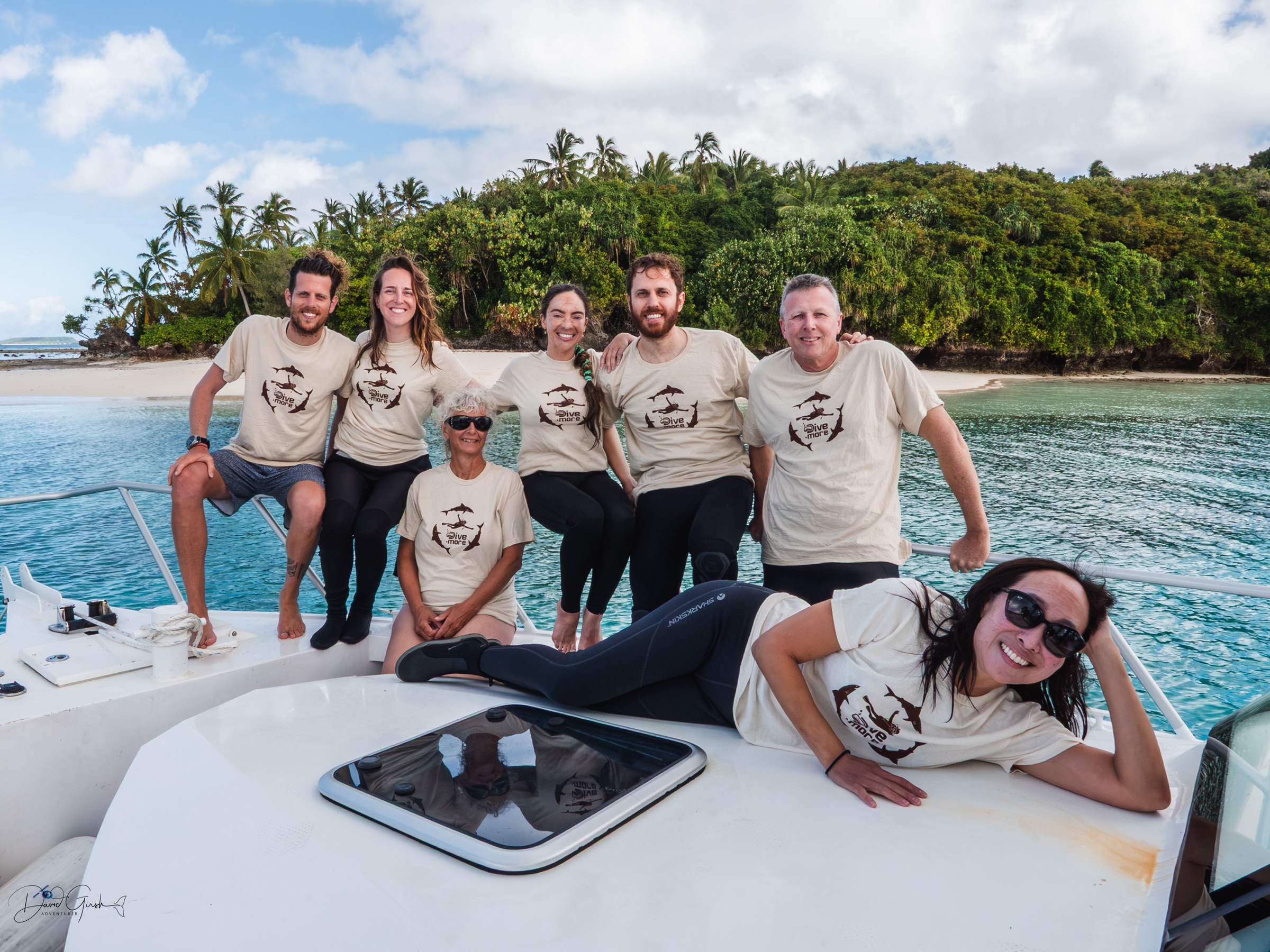
I have been running this trip for a few seasons now. It is small on purpose. Six guests, so everyone gets real time in the water instead of taking turns from a crowded boat. We go out every day the weather lets us, and we stay out.
You do not need to be a freediver. You need to be comfortable in open water with a mask and fins, and you need to be patient. The whales decide how the day goes. That is the whole point.
2026 sold out. For 2027 I am running three groups.
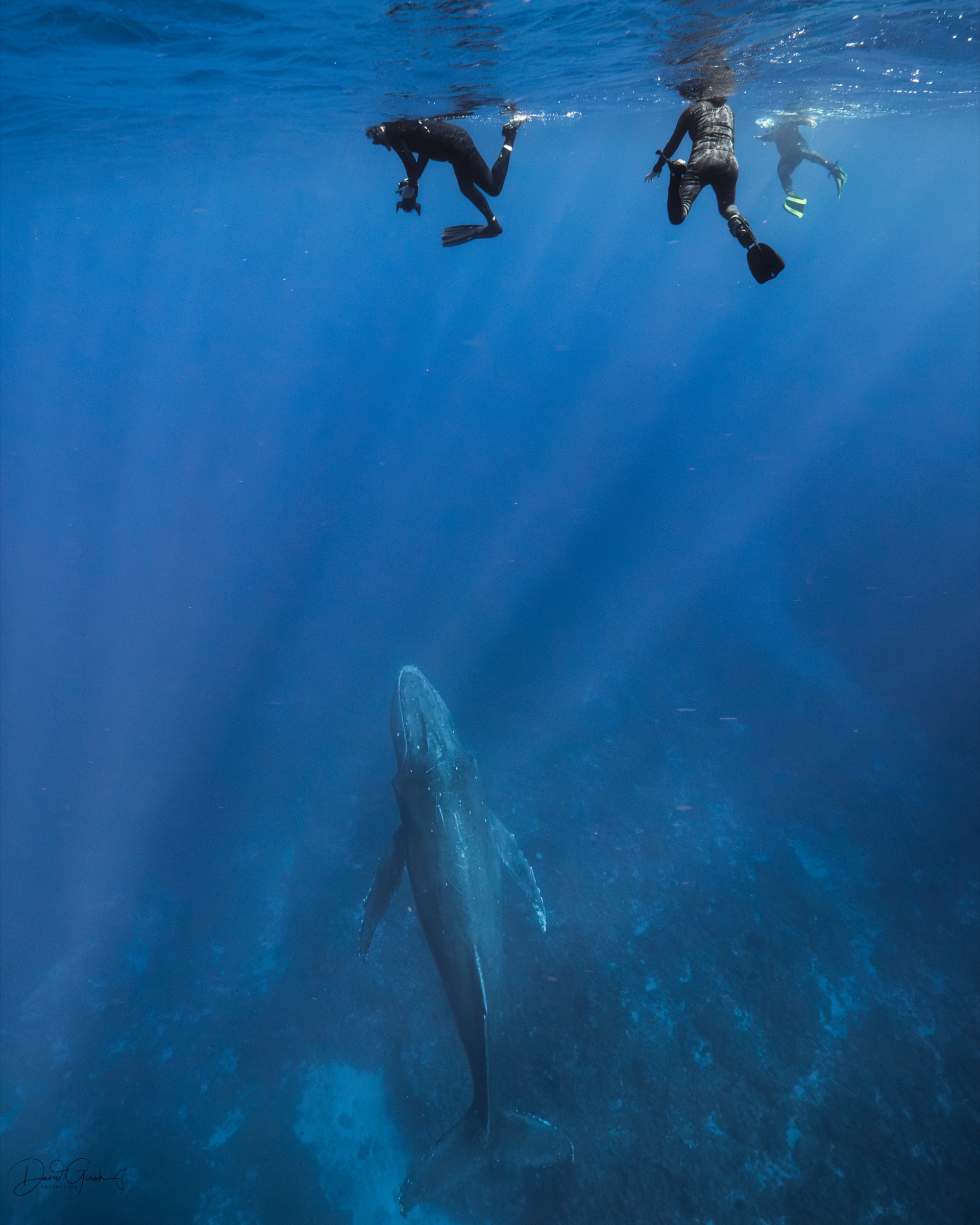
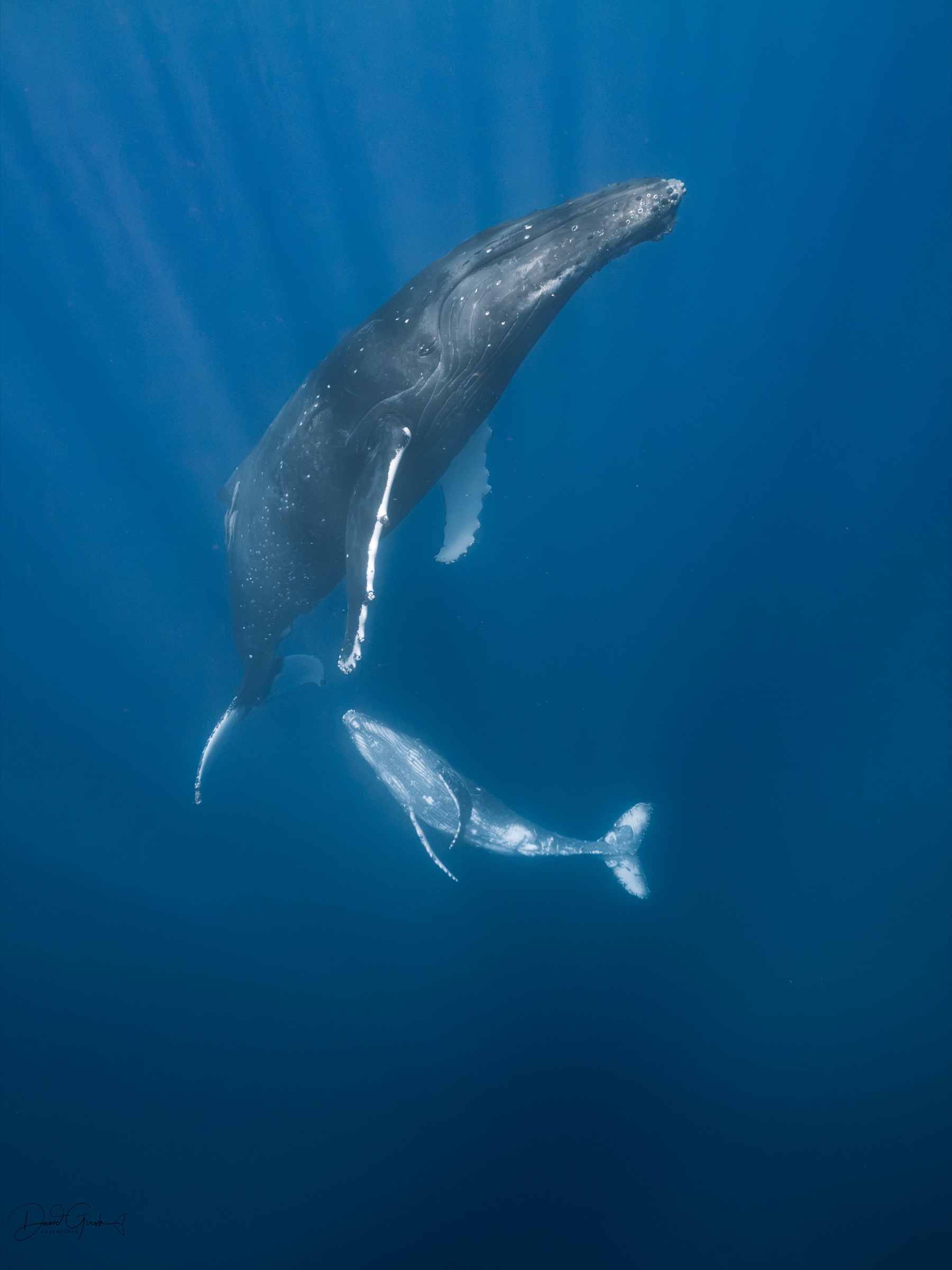
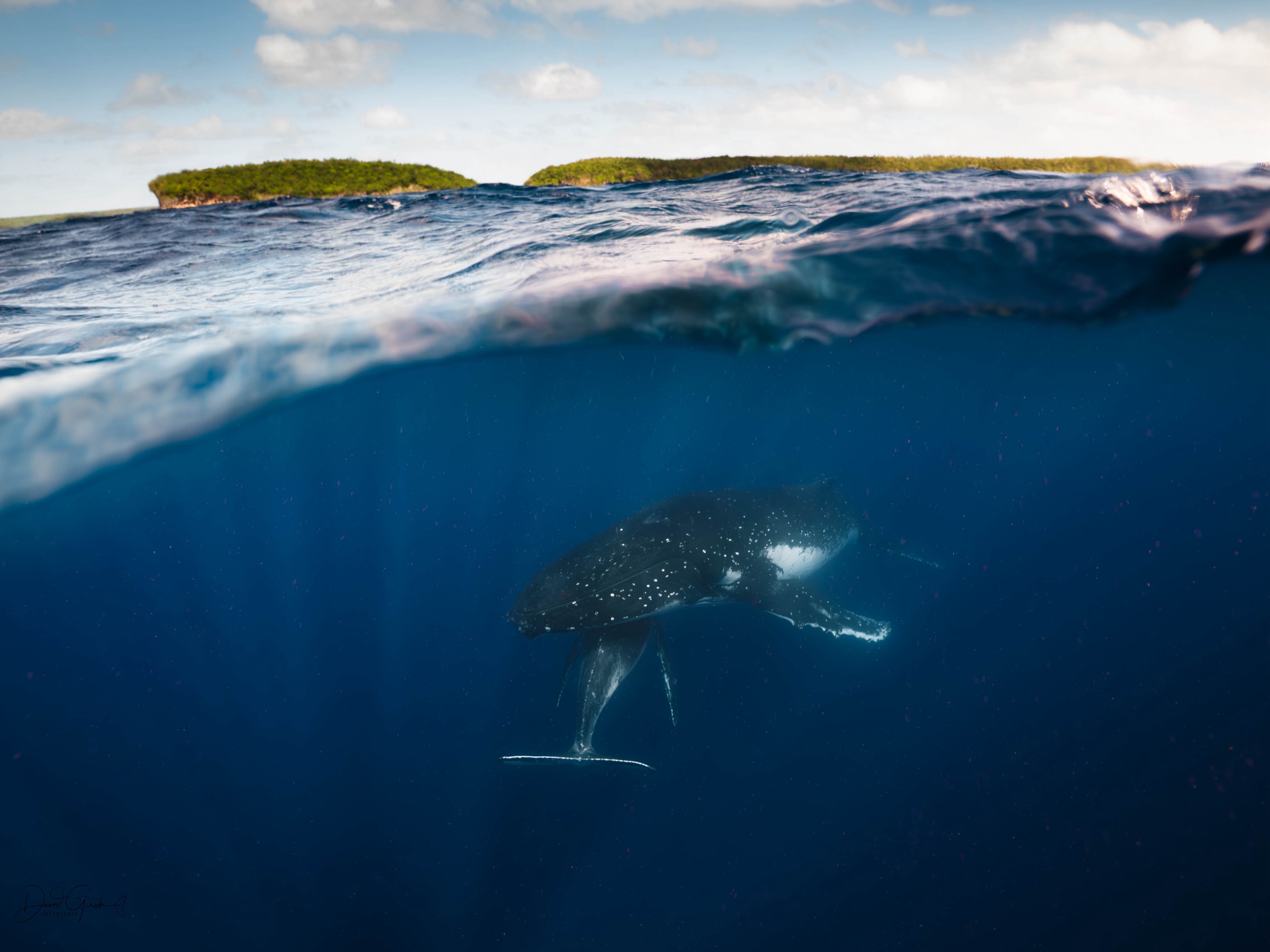
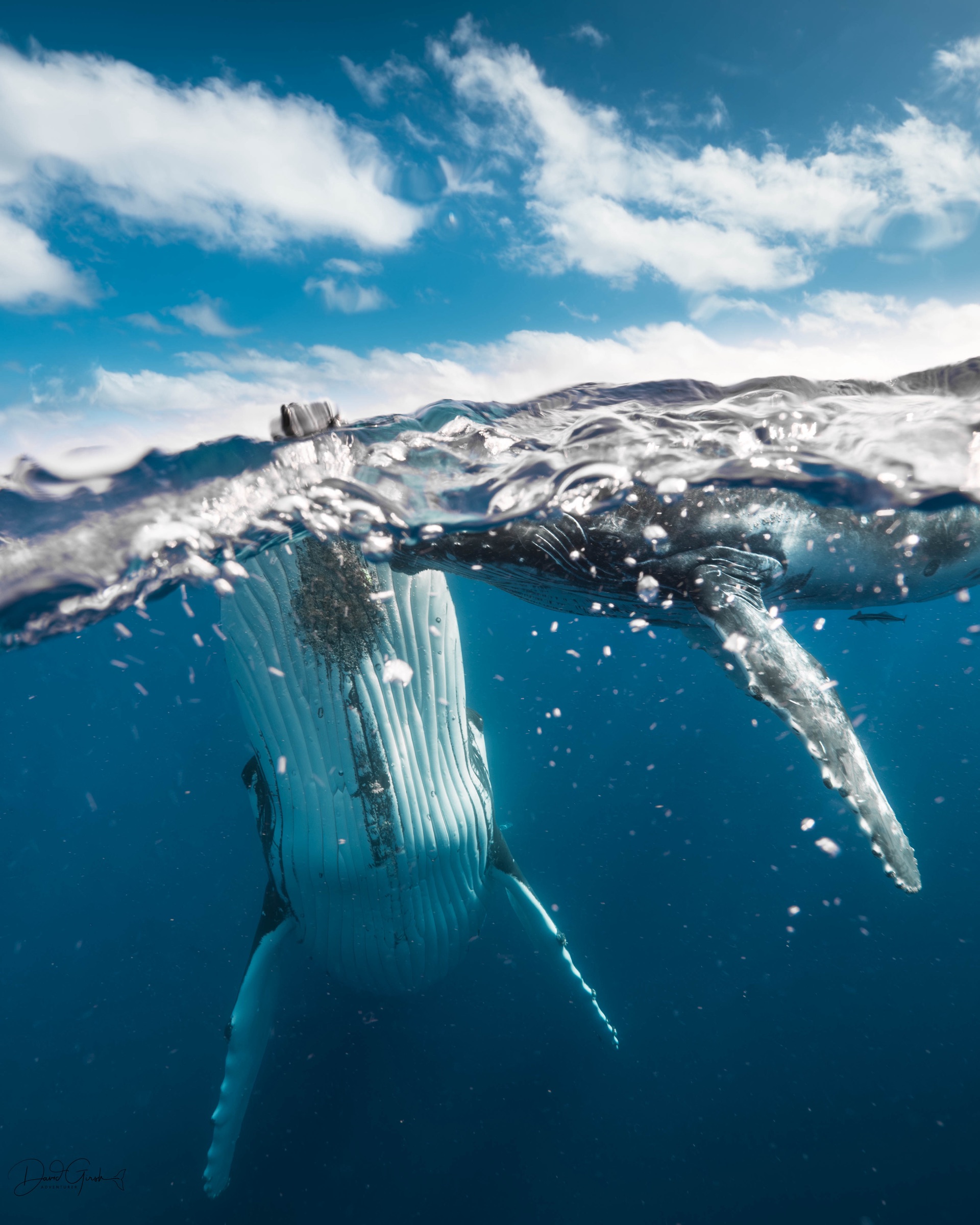
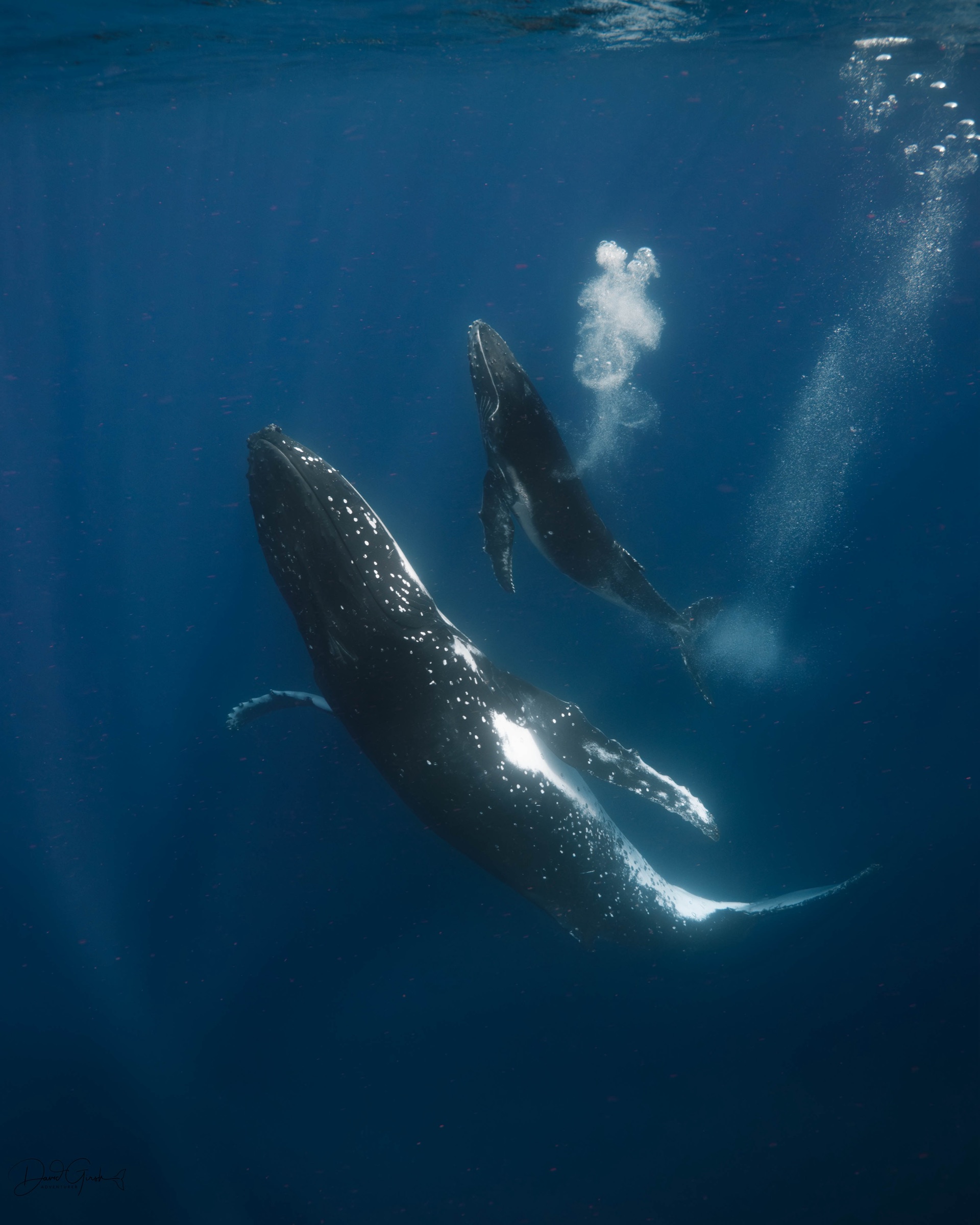
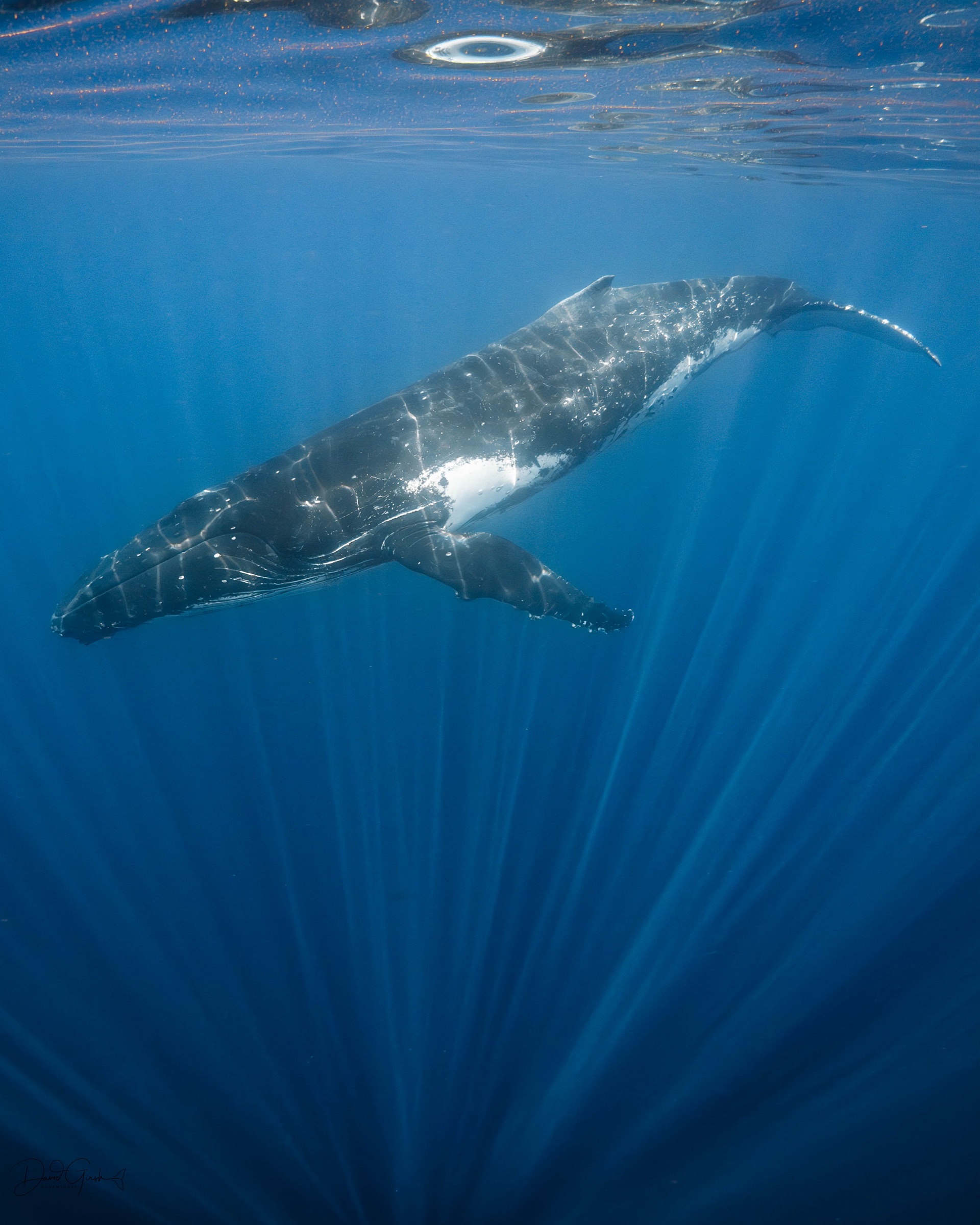
Just under the surface, with the light coming down behind it. Vava'u.
There are plenty of ways to go and look at a whale. This is not really one of them. Here is what you are actually signing up for.
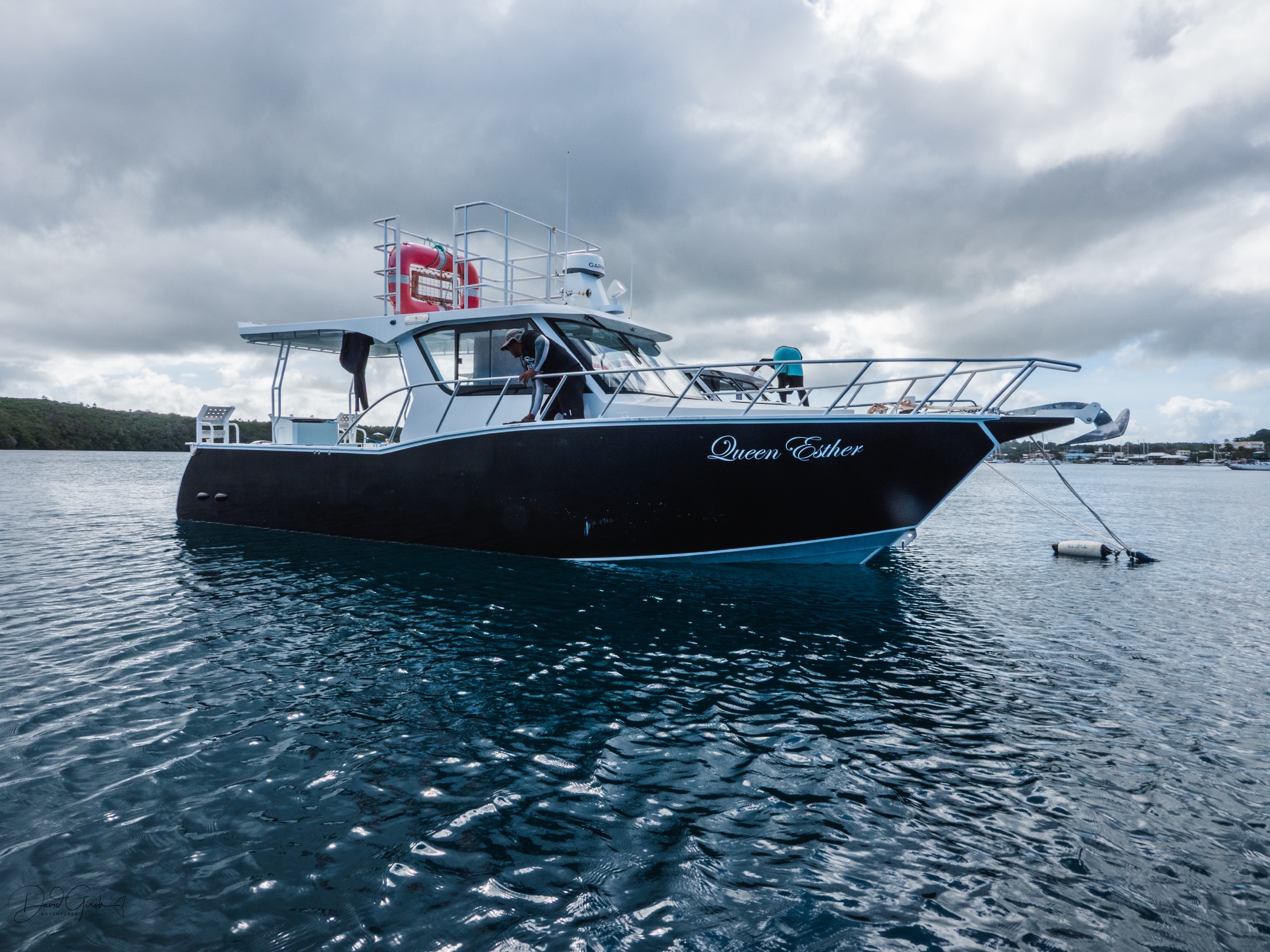
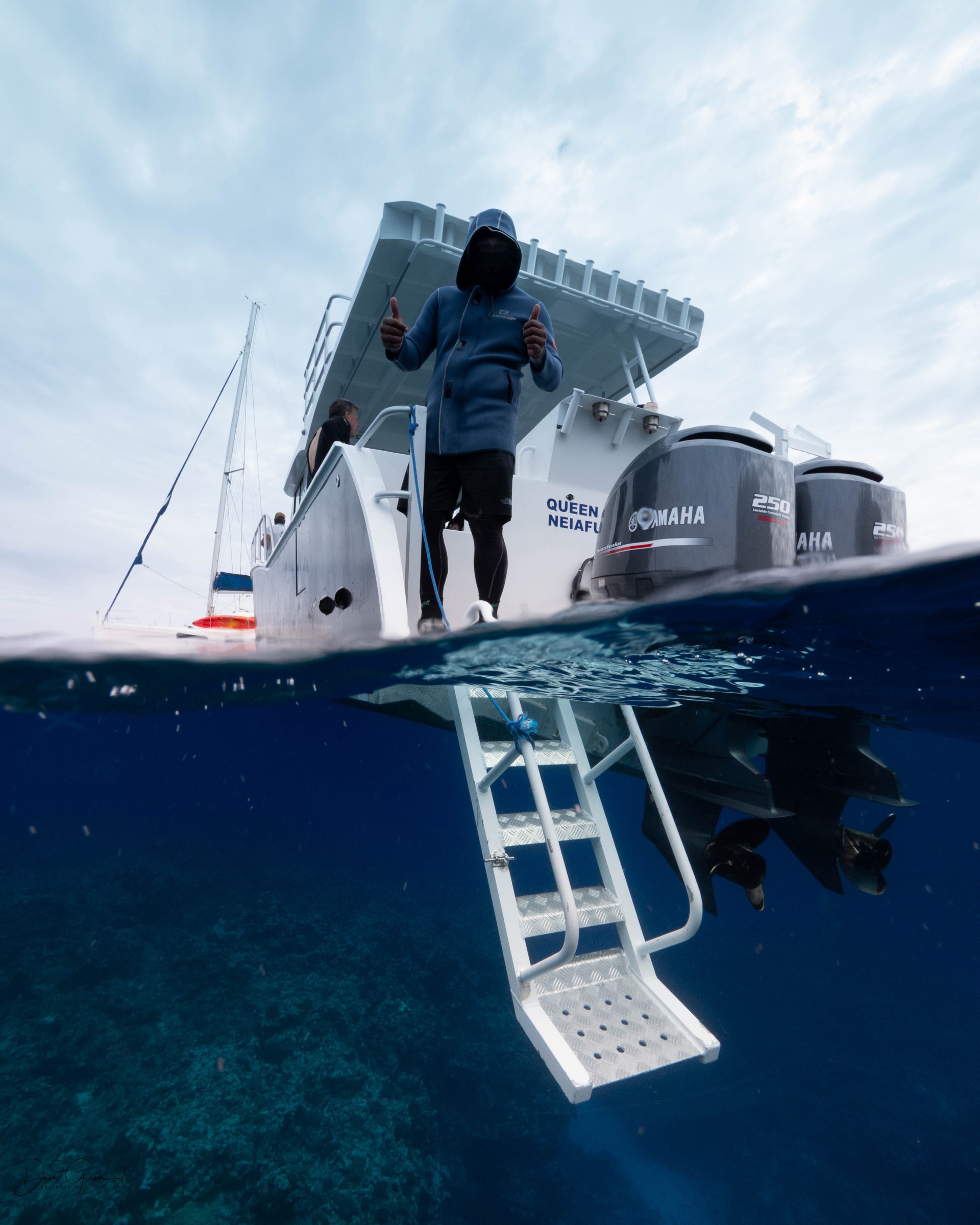
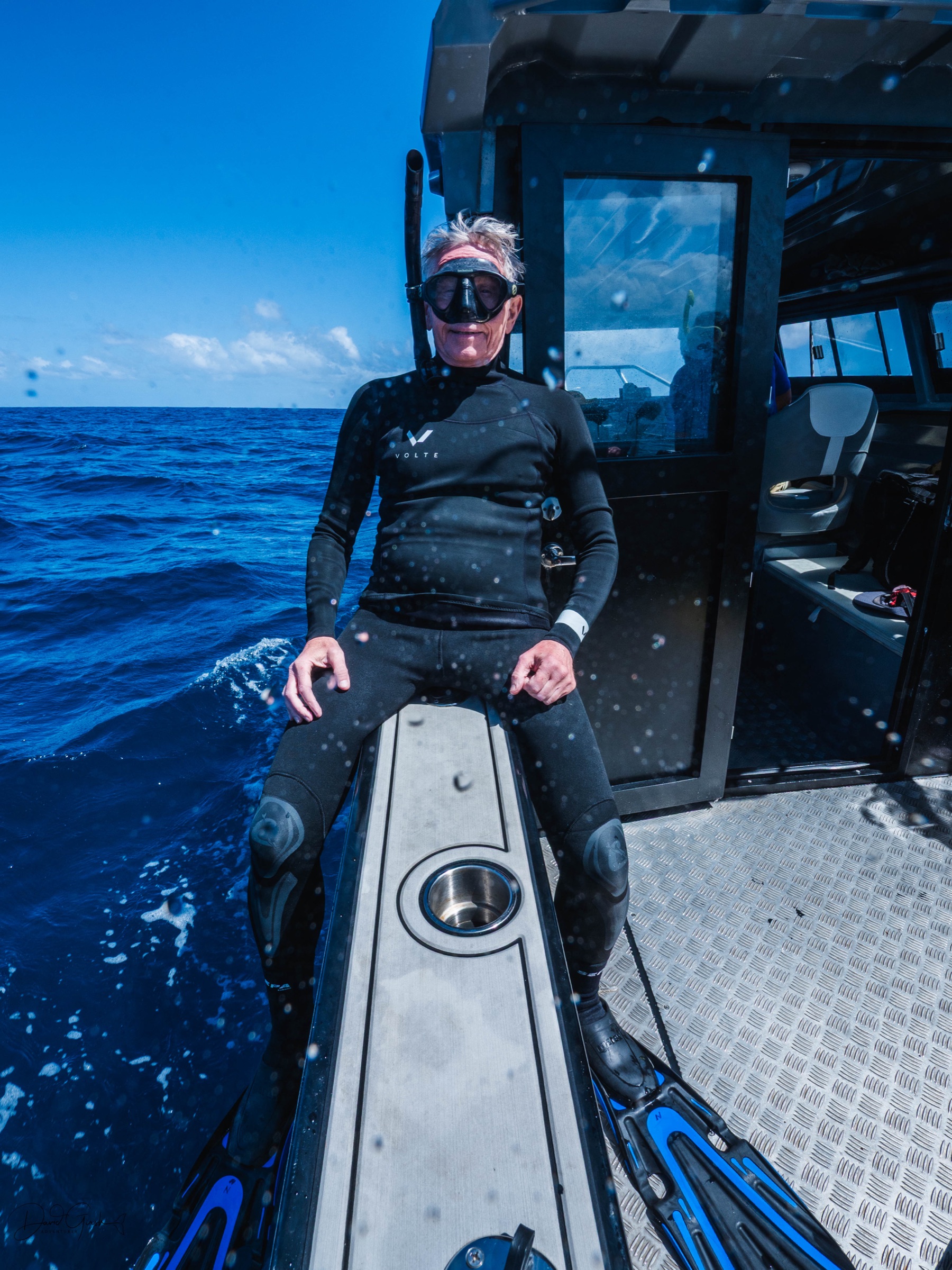
Twin outboards, a big open back deck with room to spread your gear out, a flybridge up top for spotting, and a ladder off the stern. Getting in and out all day is easy and nobody is clambering over anybody else to reach the water.
We run with a licensed local operator and a Tongan guide who holds the permit. They know this water and these animals far better than any visitor ever will, and they are the reason we find whales.
Tongan rules cap how many swimmers go in at once, so a big group just means you sit on the boat waiting your turn. Six means everyone actually gets in. It is the single biggest thing that makes or breaks a week like this.
Out at seven, back around two. These are wild animals and nobody can tell you how long they will take to find, which is exactly why we stay out as long as we do. It goes quicker than you would think.
We sit down together and go through the day's photos and video, one on one. Later, around dinner, I will take you through the whales, Tonga and the people here, and how to shoot in this kind of water.
We partner with the Vava'u Environmental Protection Association, who have been working these islands since 2009. Reef surveys, erosion monitoring, whale monitoring. Real data that actually gets used.
People with a bit of adventure in them. You do not need to be an athlete or a freediver, you just need to be the sort who is still enjoying themselves when the day stops going to plan, because out here it often does, and that is usually where the best of it happens.
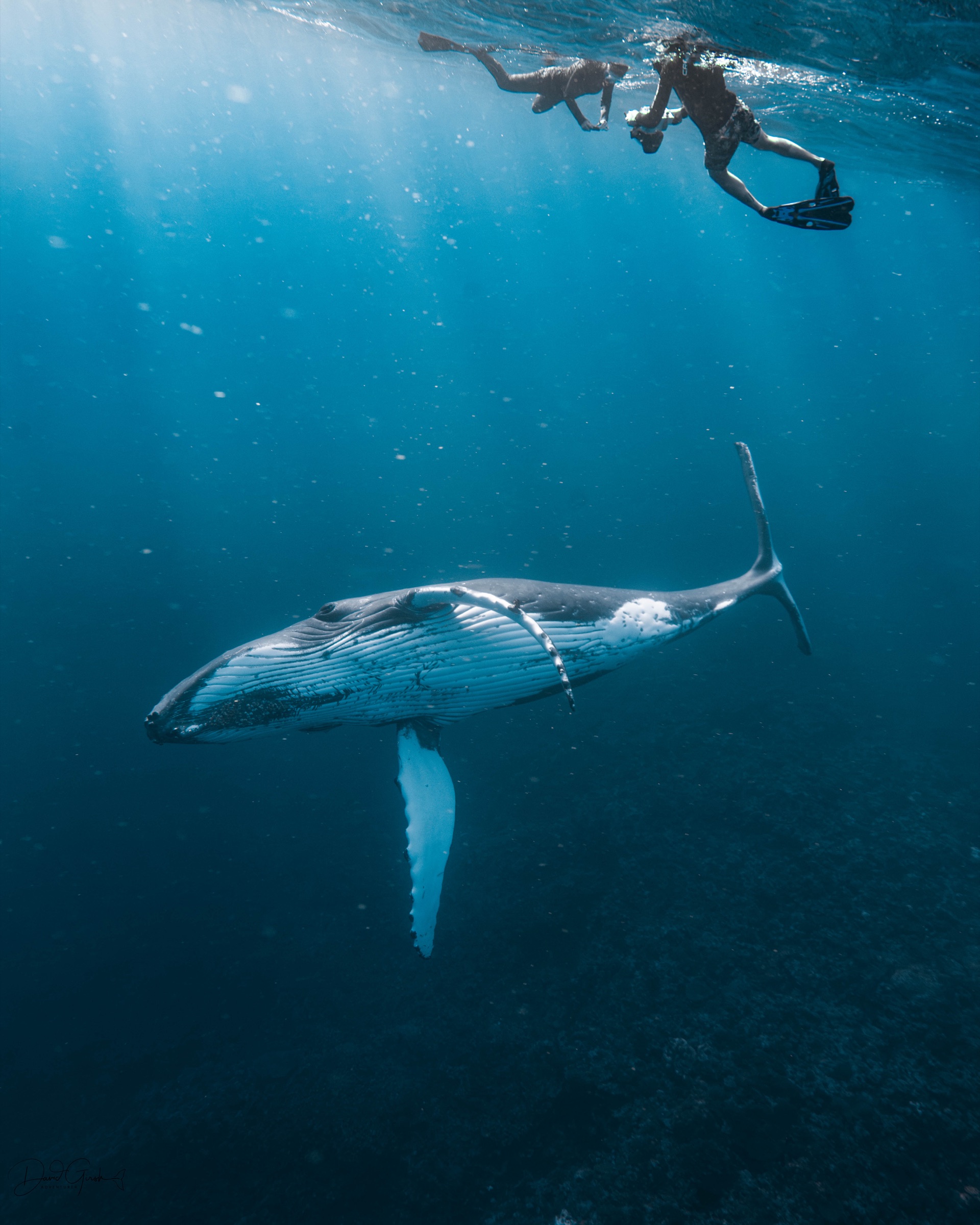
You spend most of the time on the surface, watching, and letting them come to you.
Every trip is nine nights with six full days on the water. Same format, same small group, same stretch of ocean. The only thing that shifts is which day the Tongan Sunday lands on.
What a life changing experience. Swimming with humpback whales in Tonga was truly unforgettable.
David Girsh was an incredible guide. His knowledge of the ocean, the whales, photography and the local community made the whole experience feel peaceful, authentic and eye opening.
It was so much more than just swimming with whales. We explored local islands, enjoyed local dining and sightseeing, and really got to experience Tonga.
The itinerary was perfectly paced, with an ideal balance of adventure and downtime. I finished the week feeling like I had had an incredible once in a lifetime experience and an actual holiday.
Absolutely unforgettable and something I would recommend in a heartbeat.
The shape of the trip is the same whichever week you pick. Land, settle, get your bearings, then six days chasing weather and whales with one day off for a proper Tongan Sunday. On the two August departures that Sunday falls early in the week. On the September one it falls later. Either way you get six days in the water.
Roughly seven hours on the water, every water day. These are wild animals in open ocean and nobody can tell you how long it is going to take to find them. Some mornings it is twenty minutes. Some days you search. That is exactly why we stay out as long as we do, and it is the only honest way to run this. For what it is worth, it never feels like seven hours. The day goes quicker than anyone expects it to.
Evenings are where a lot of the learning actually happens. We sit down together and edit the day's photos and video, and I go through them with you one on one.
The talks tend to happen later, around dinner, once everyone has eaten and is sitting about. Across the week I will take you through the whales themselves, Tonga and the people here, and photography and how to shoot in this kind of water. Nothing formal, just everyone around a table. You are not left to figure any of it out on your own.
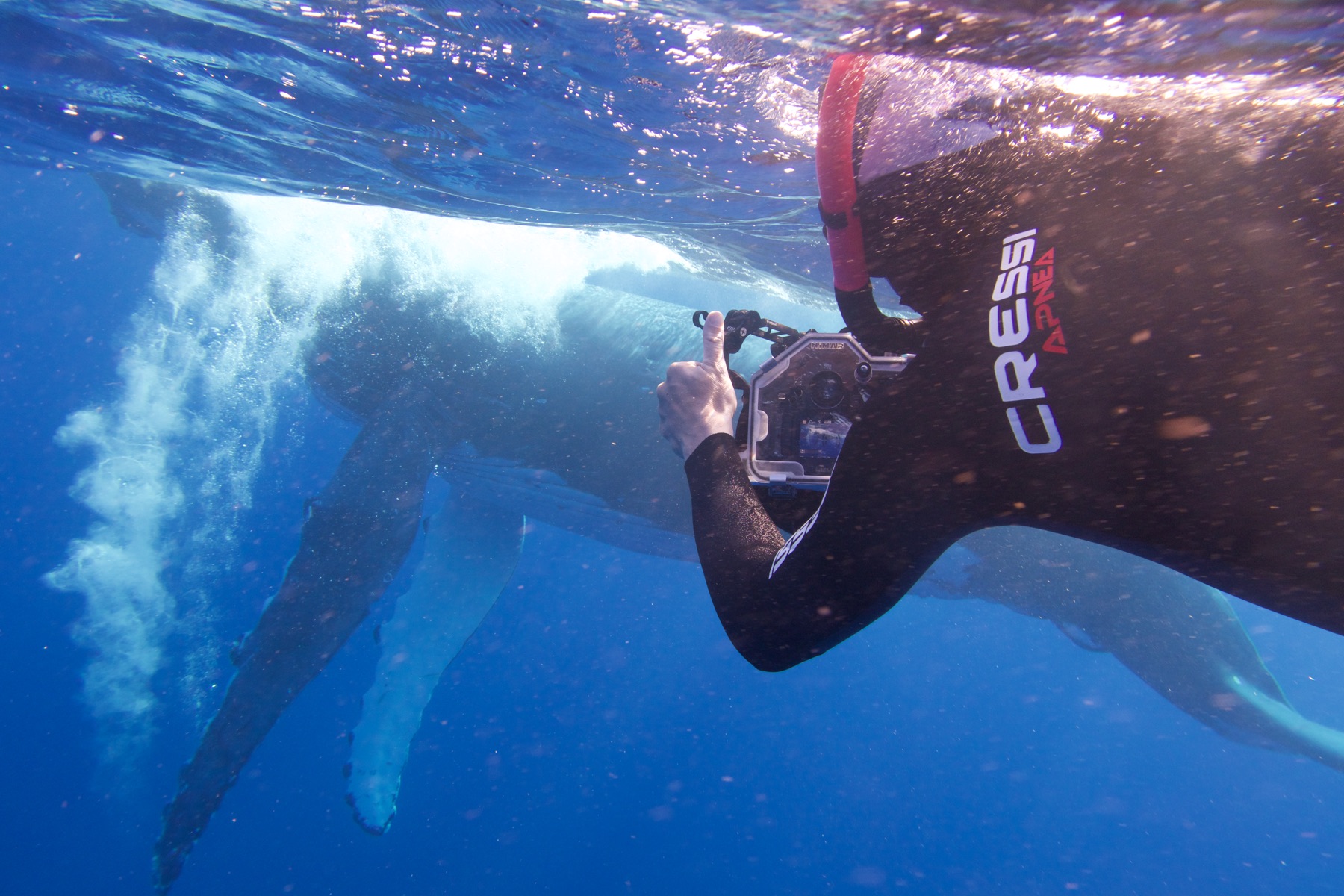
The coaching is not a scheduled session either. It runs the whole trip. I am in the water with you and on the boat between drops, every water day, working on settings, angles, breathing, positioning, and how to not spook an animal that is forty times your size.
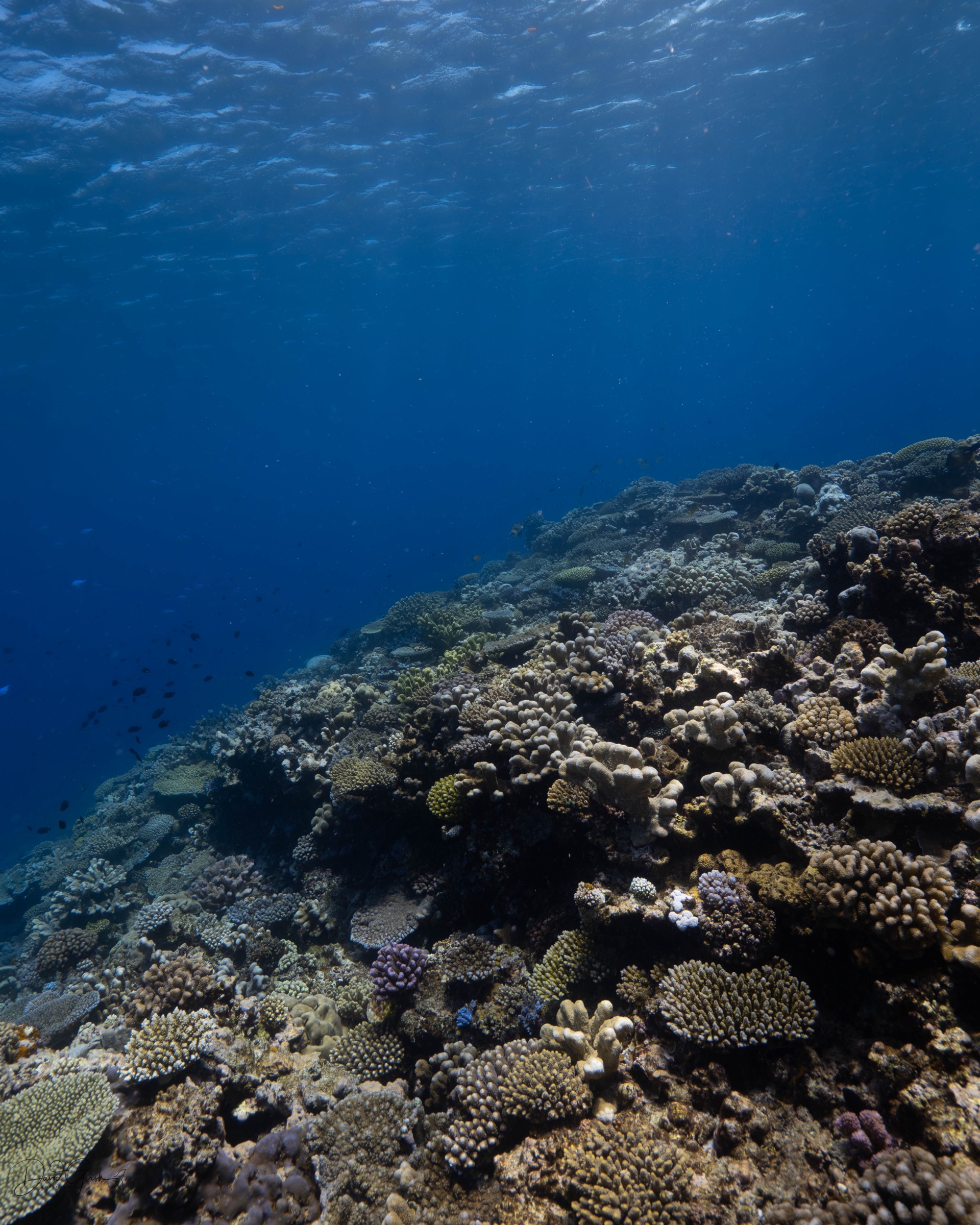
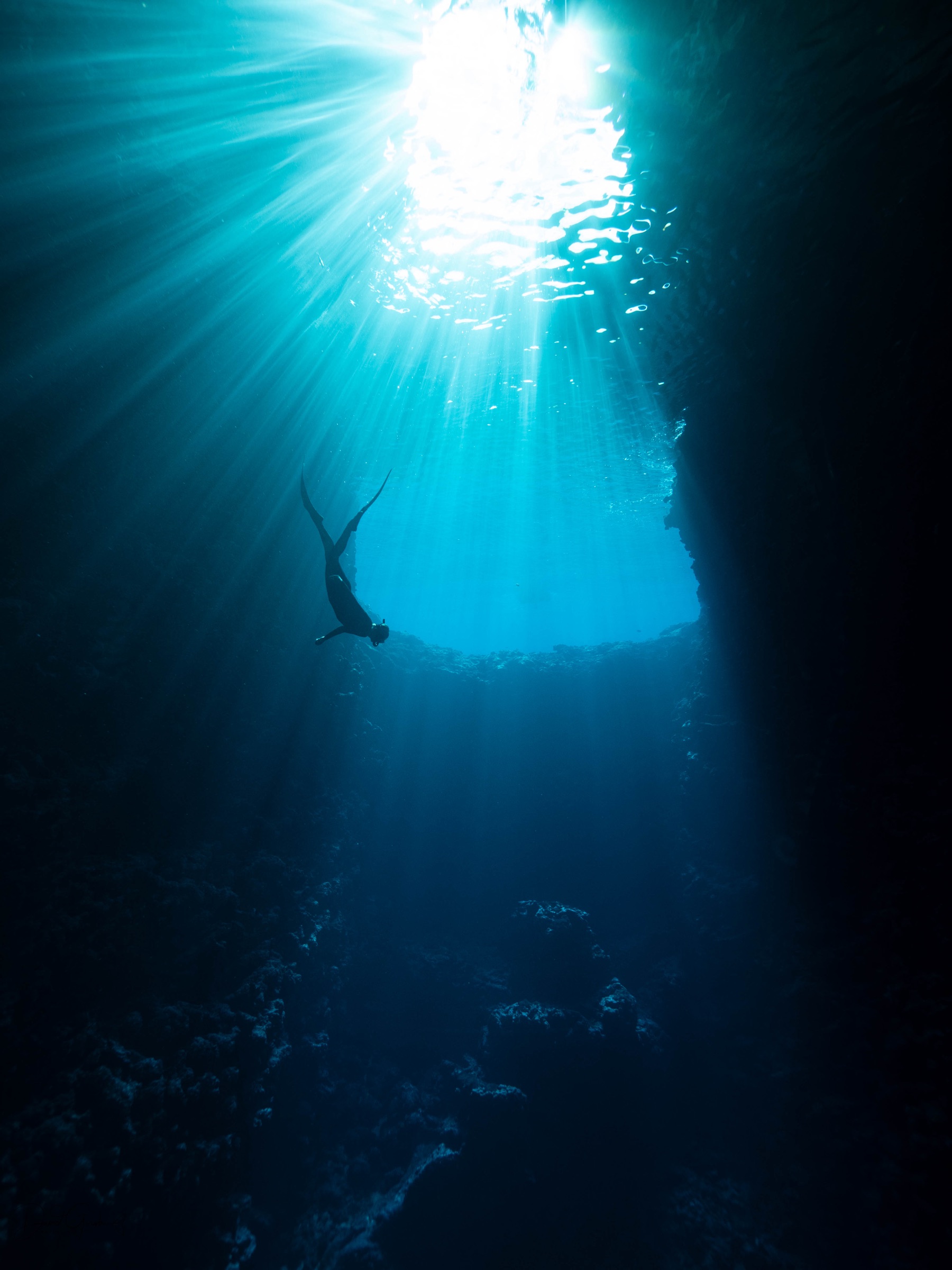
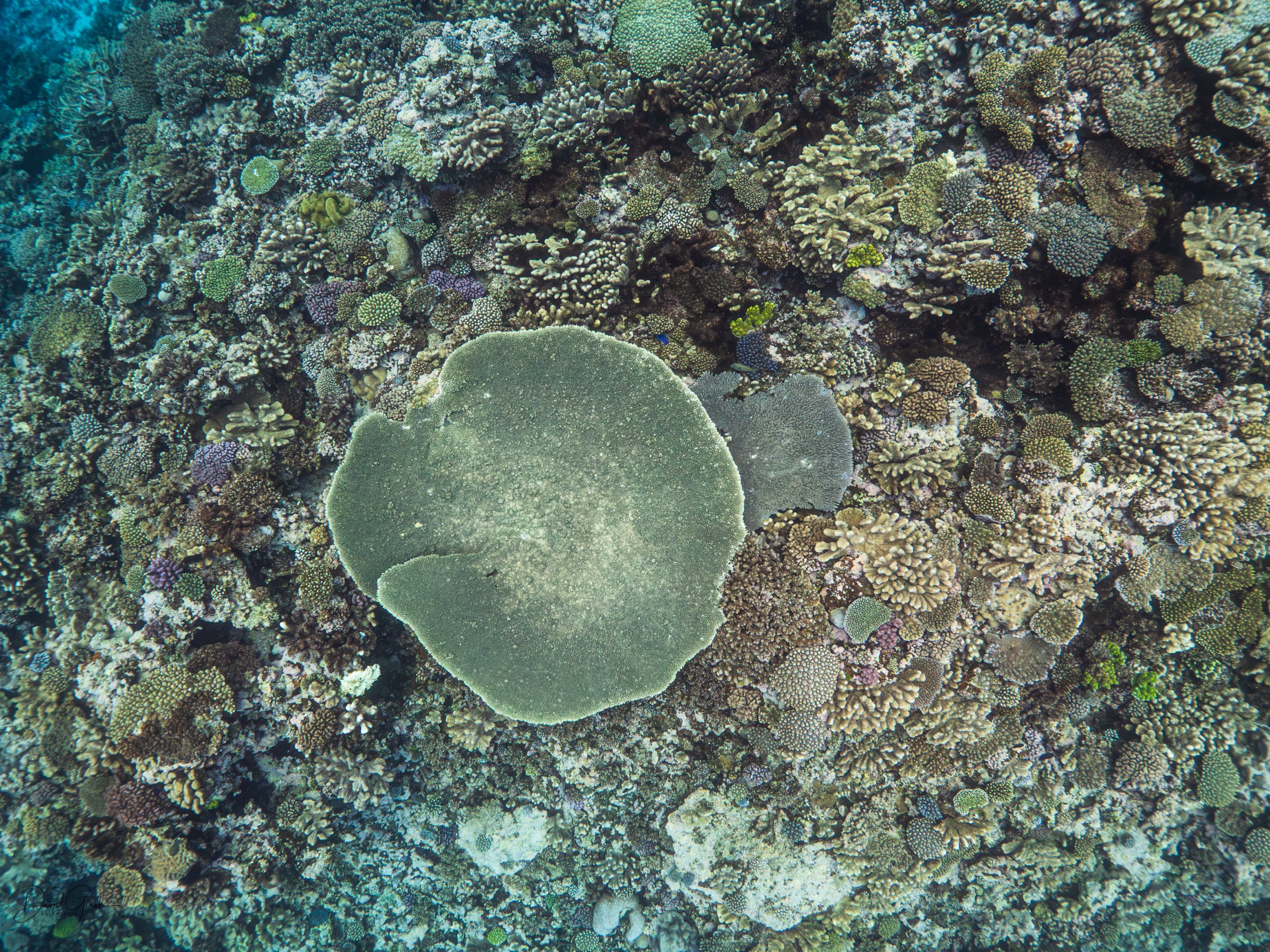
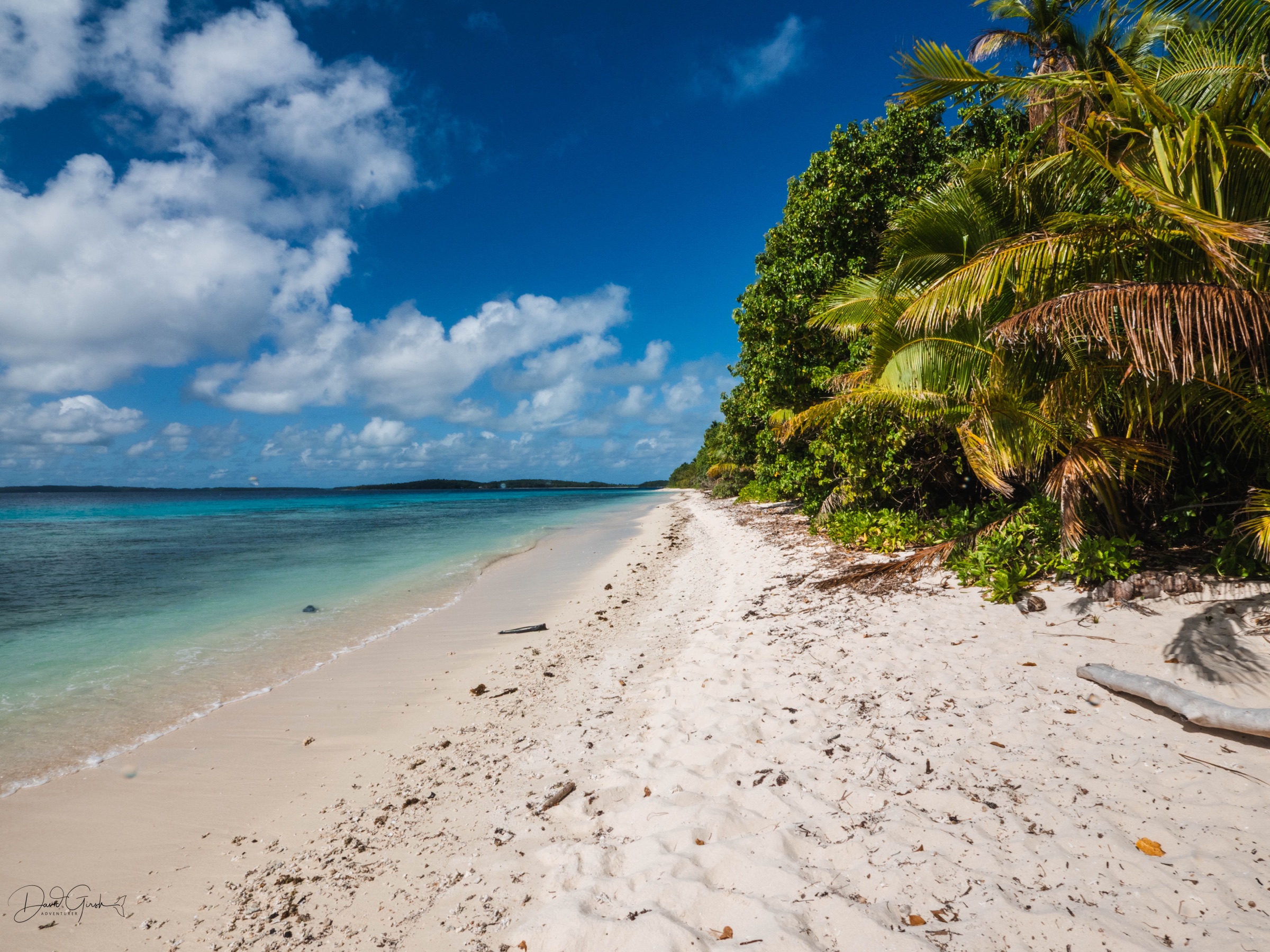
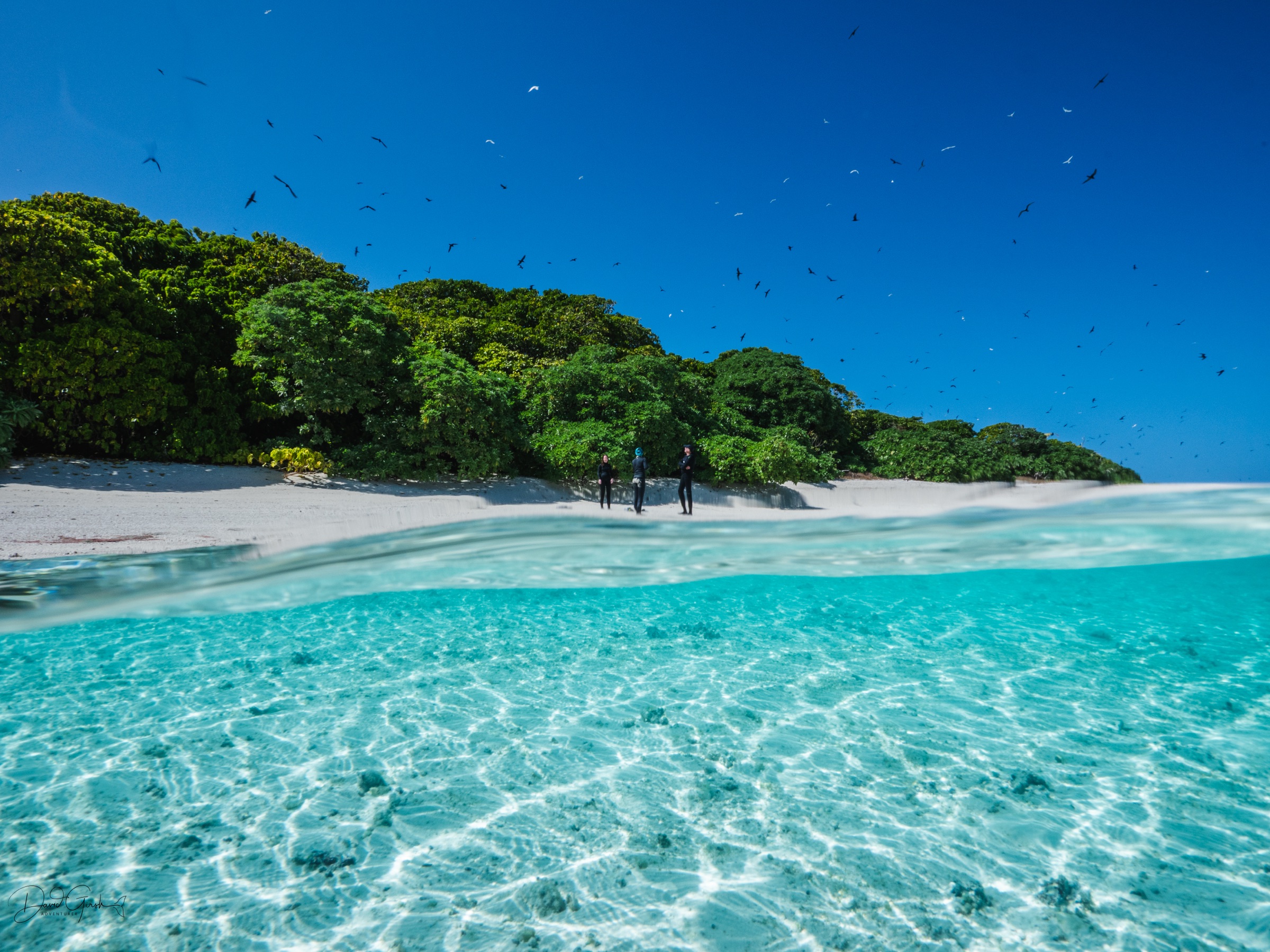
Once we have had our time with the whales we usually go and find something else. Coral gardens, sea caves back in among the islands that you can swim right into, beaches on the outer islands with nobody on them at all. Vava'u has a lot going on underwater besides the humpbacks, and it would be a waste to come all this way and only look at one thing.
You fly into Vava'u and we get you to your accommodation. The rest of the day is yours. Unpack, sort your gear out, have a swim, sleep off the flights. We will catch up in the evening, run through the week, and answer whatever you want to ask before we get going.
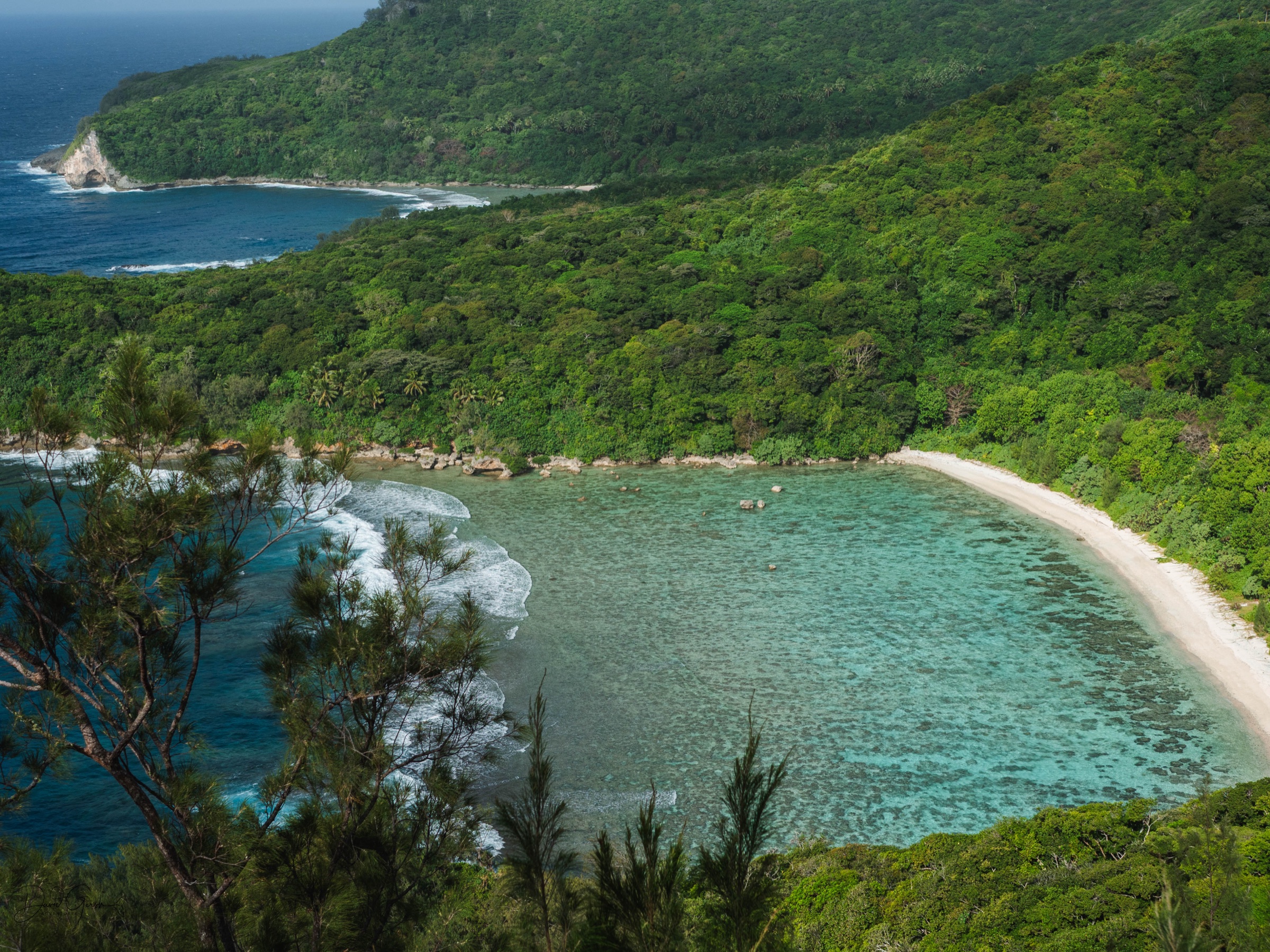
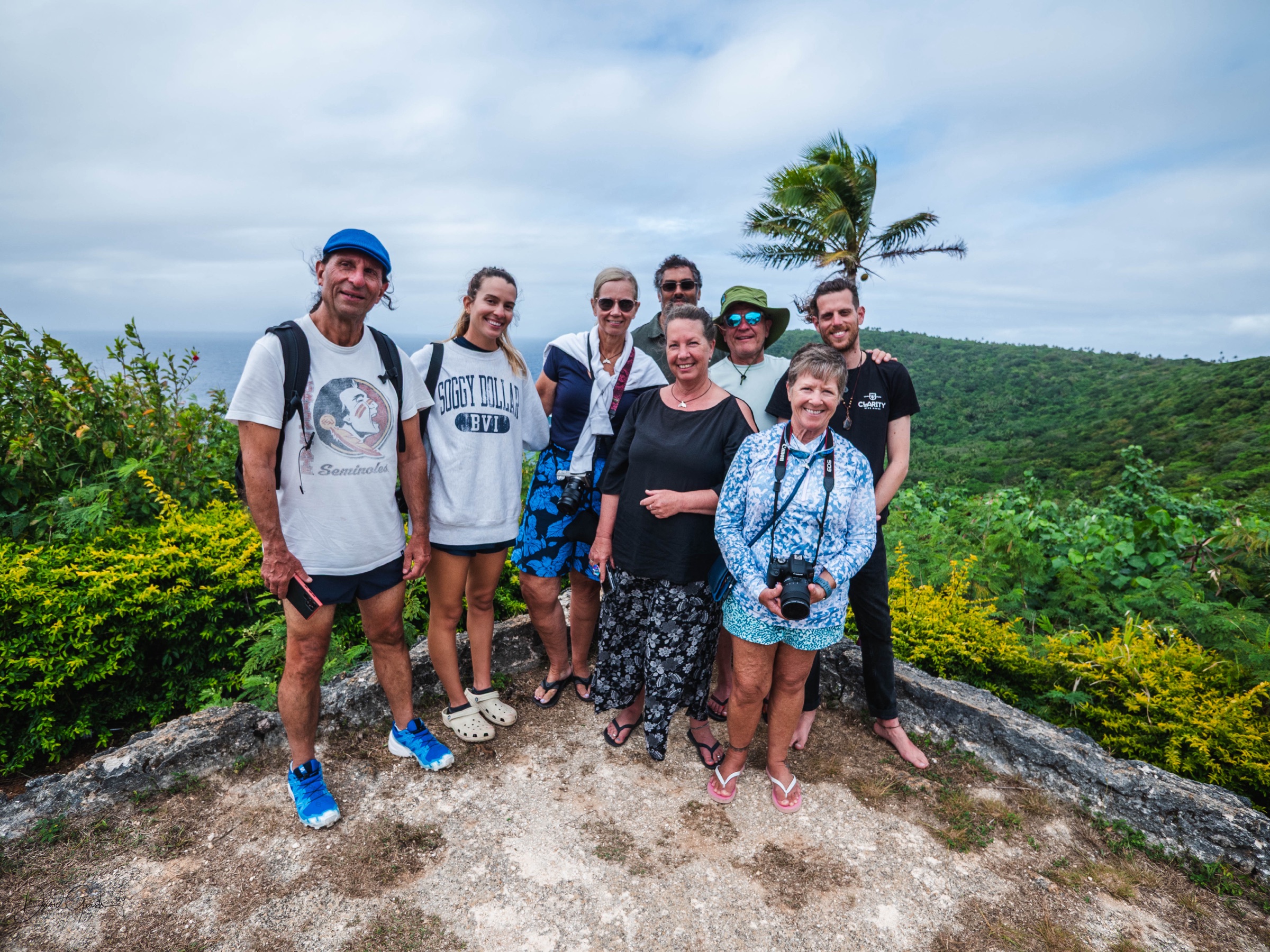
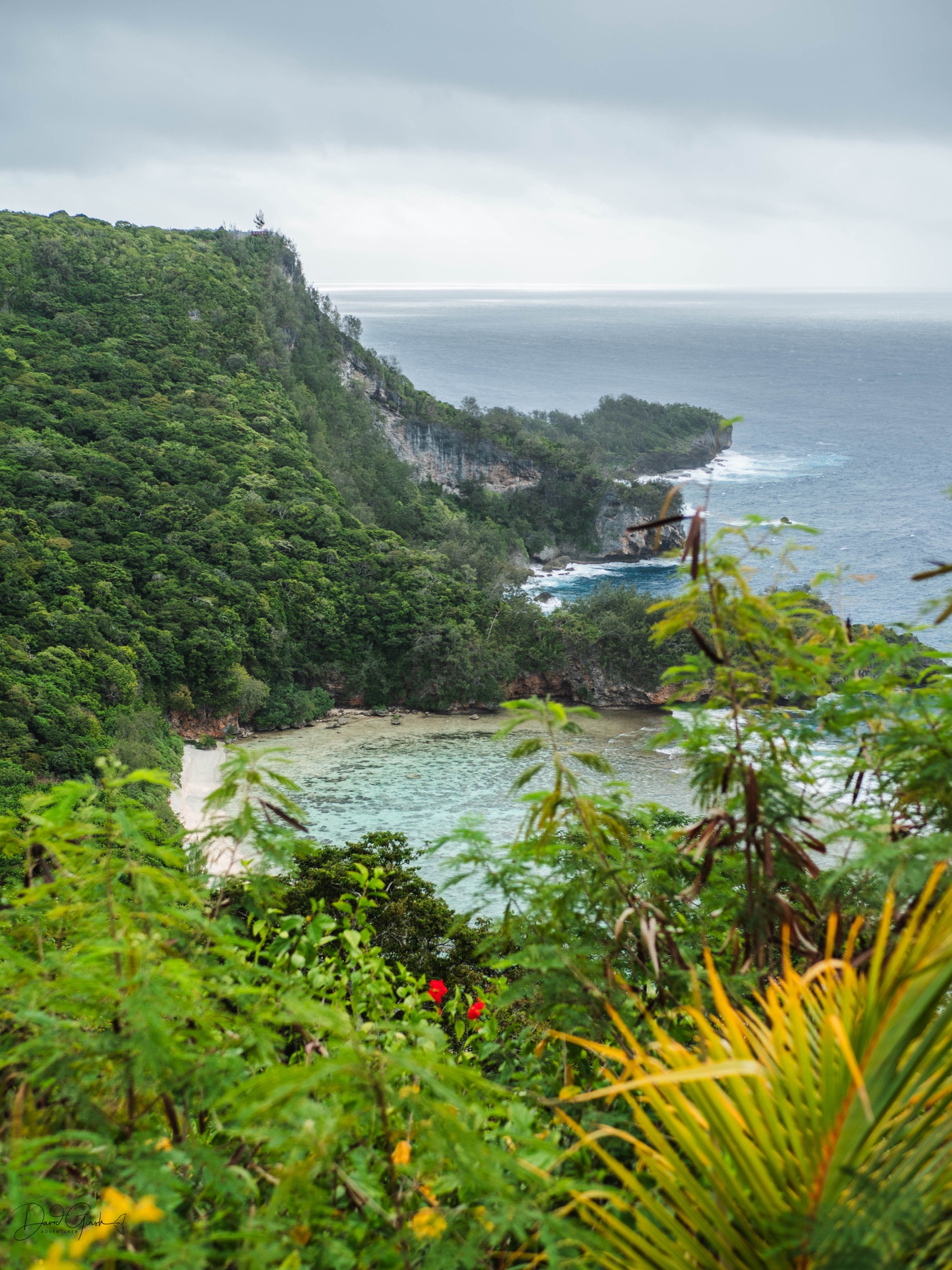
No boat today. We head out and have a look around Vava'u, stop at a few lookouts, and get a feel for where you actually are. If conditions are good we will get in for a snorkel somewhere easy. Mostly this day is about getting your kit sorted, checking your camera housing, and being properly ready for tomorrow morning.
Early start, on Queen Esther by seven. Big open back deck, a flybridge up top for spotting blows, and a ladder off the stern, so getting in and out all day is easy and nobody is clambering over anybody else.
The first day can be a lot to take in. The whales, the ocean, the boat, all of it landing at once, and plenty of people come up from that first drop not quite sure what just happened. That is exactly what the day is for. You are not meant to have it worked out, you are meant to get comfortable, so the rest of the week has something to build on.
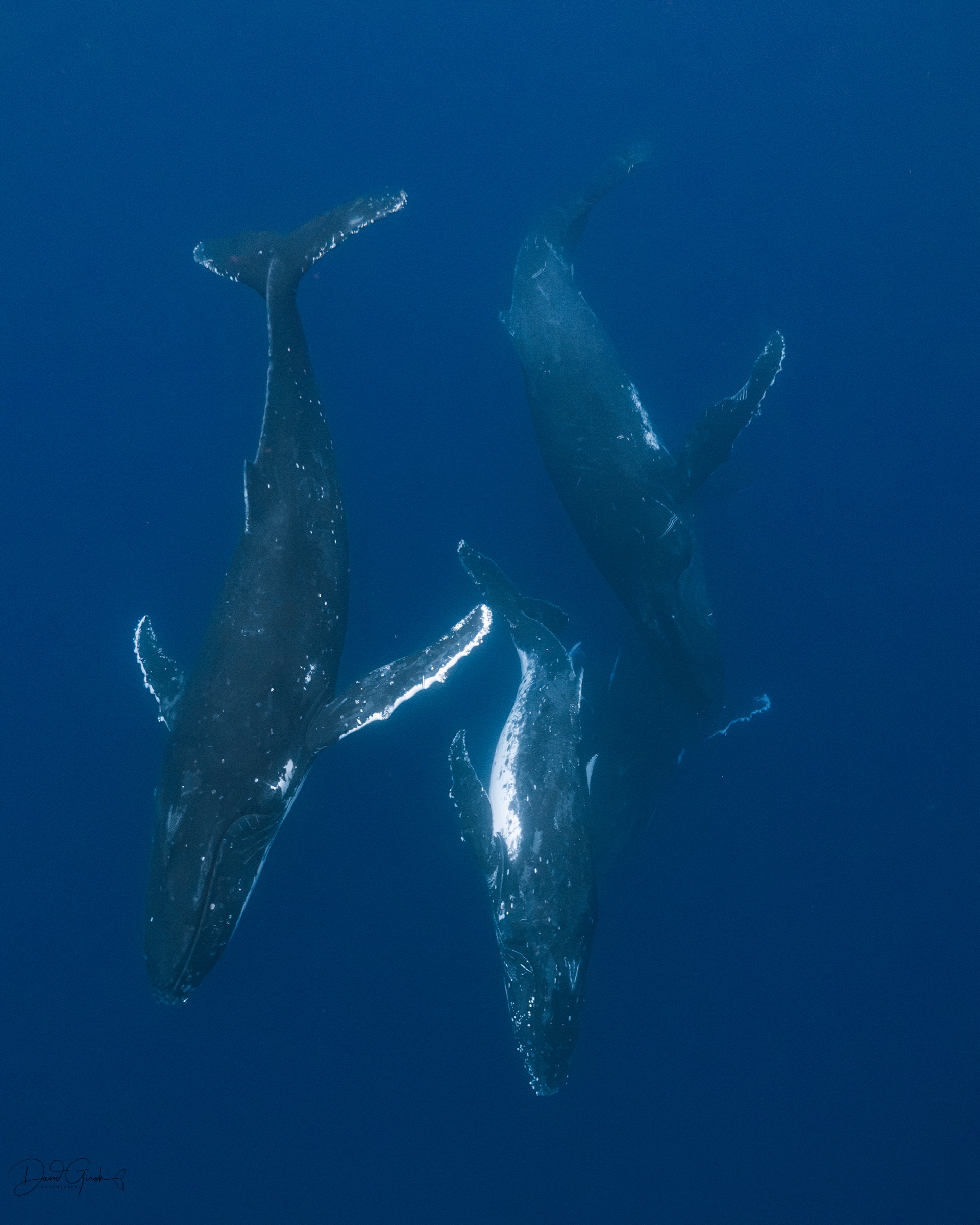
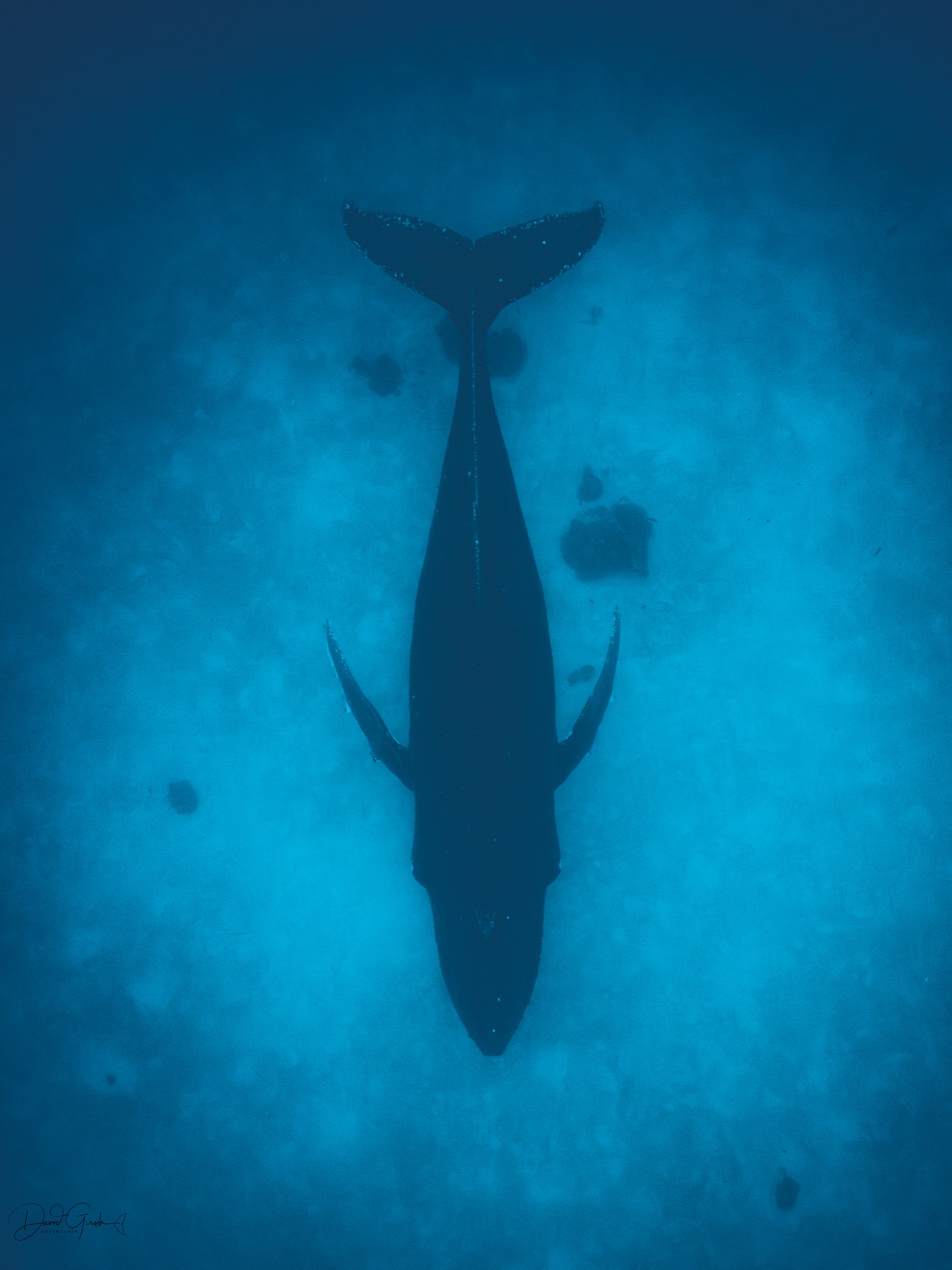
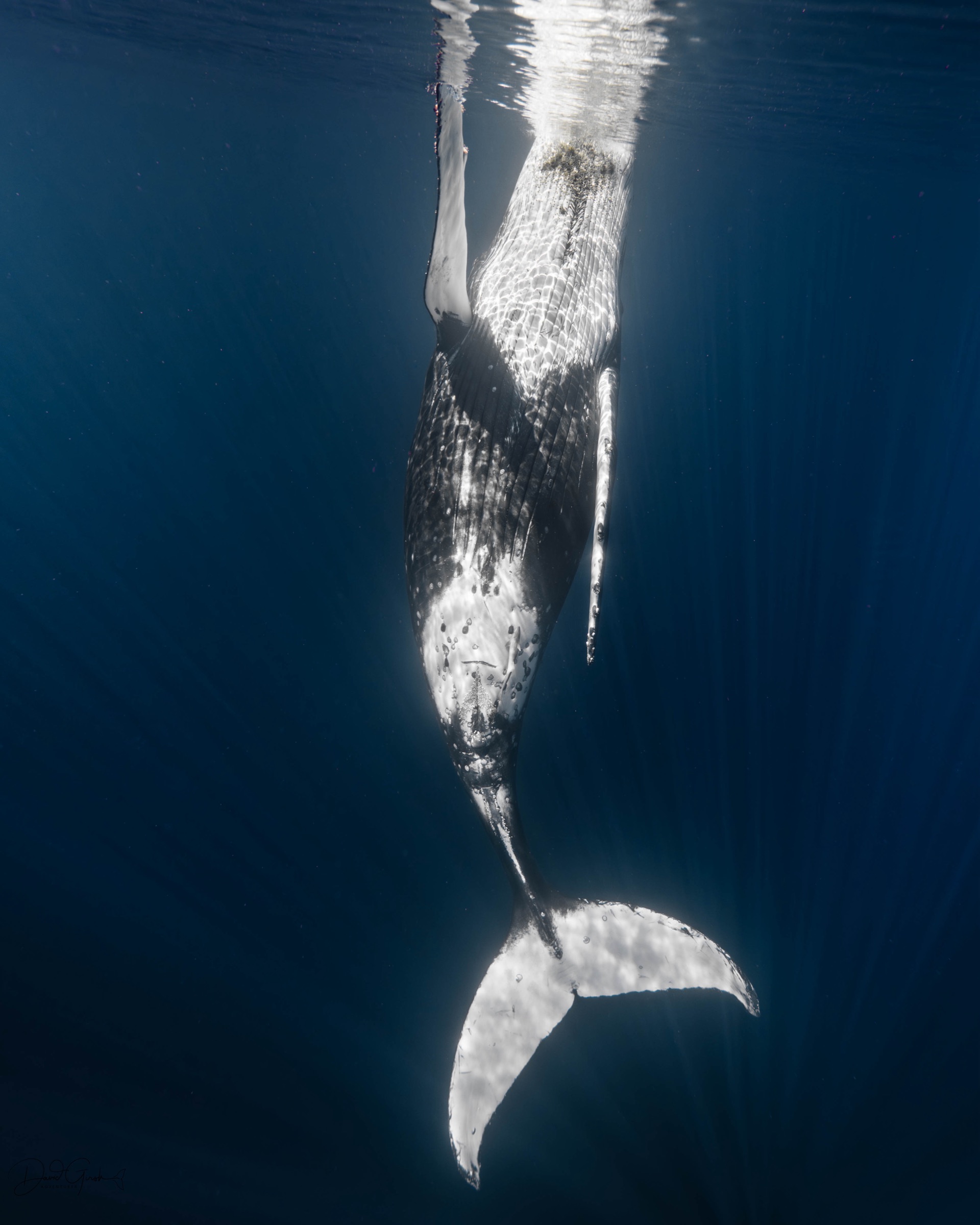
Could be mothers and calves, could be escorts, could be a singer sitting head down below the boat. You take what the day gives you.
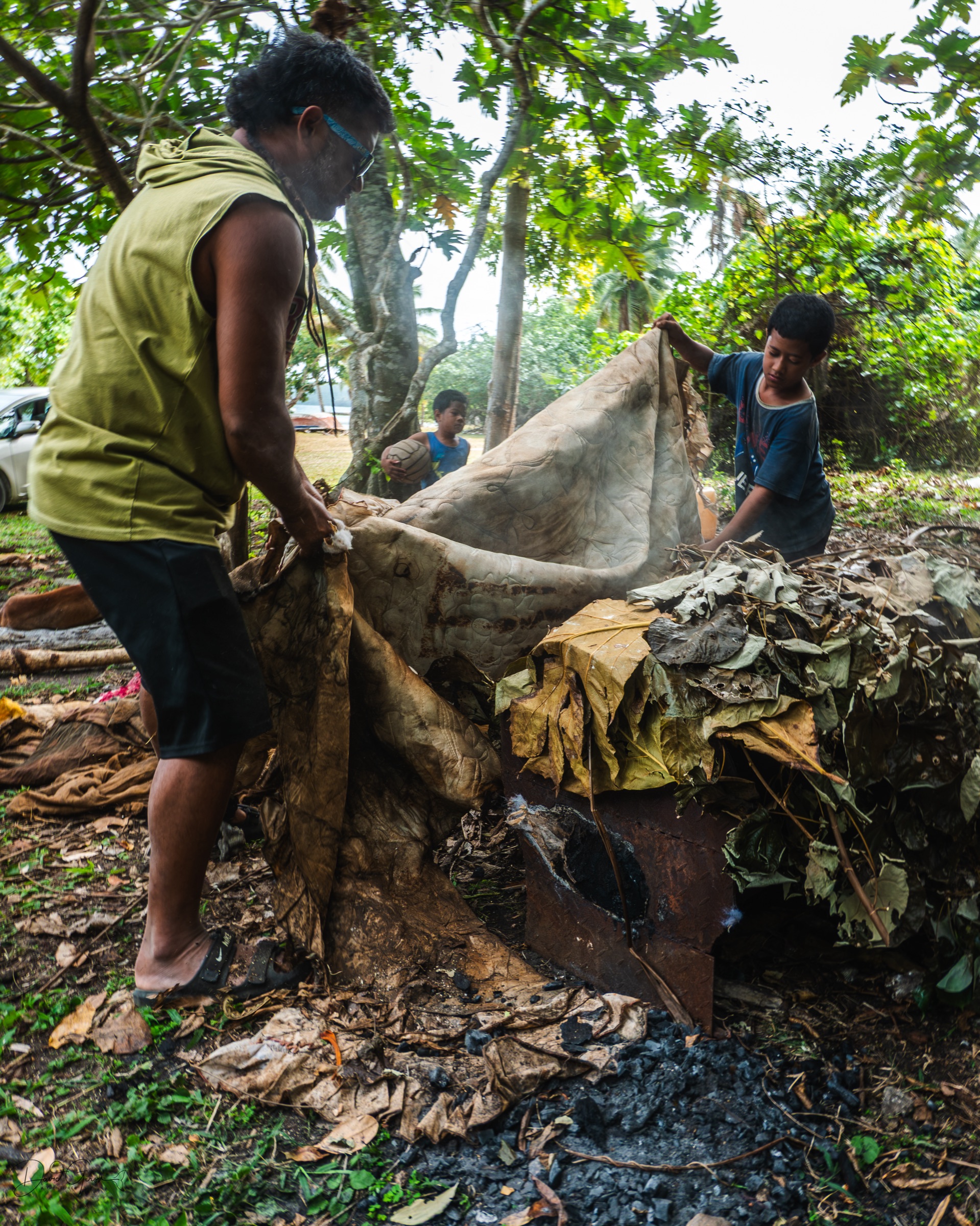
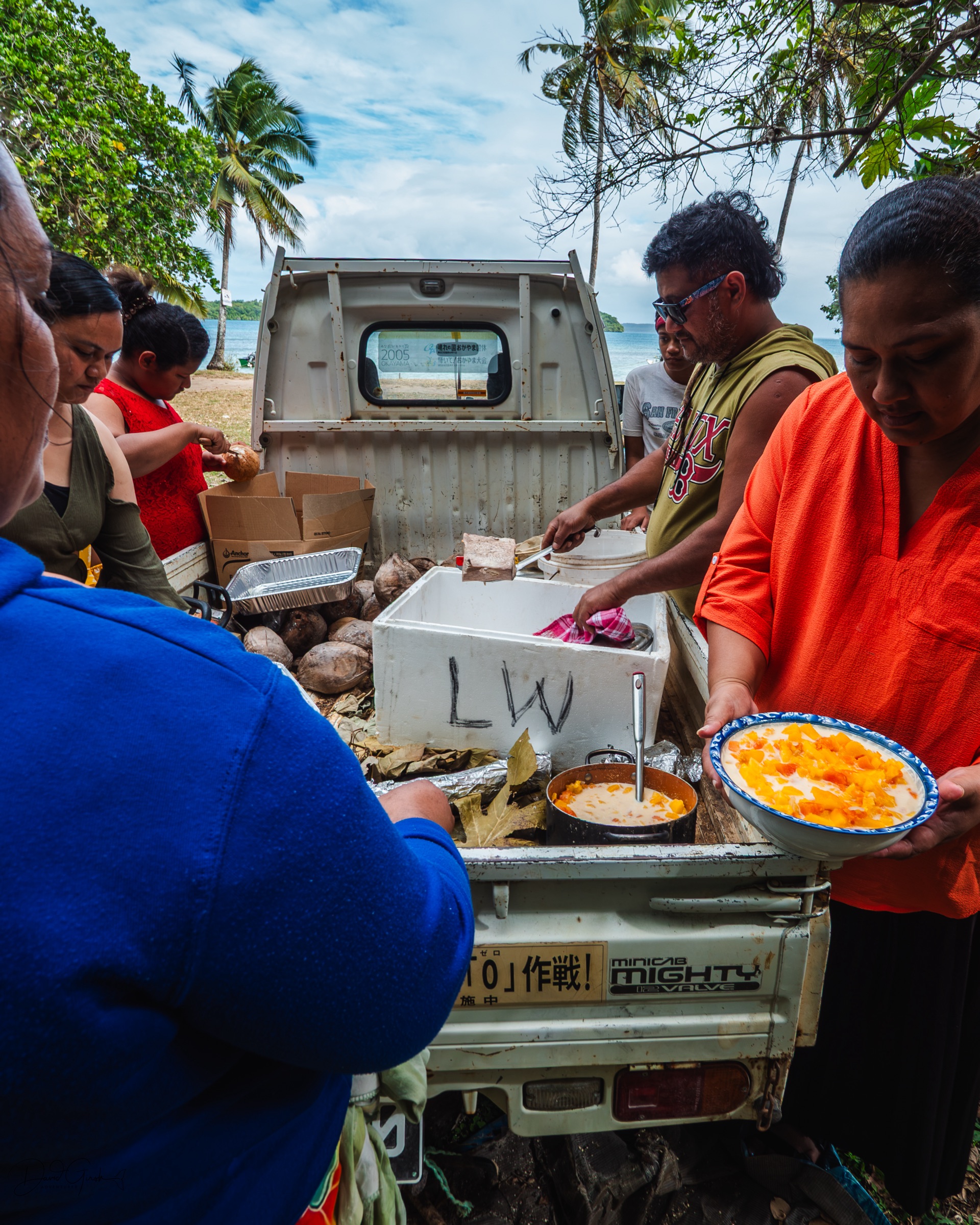
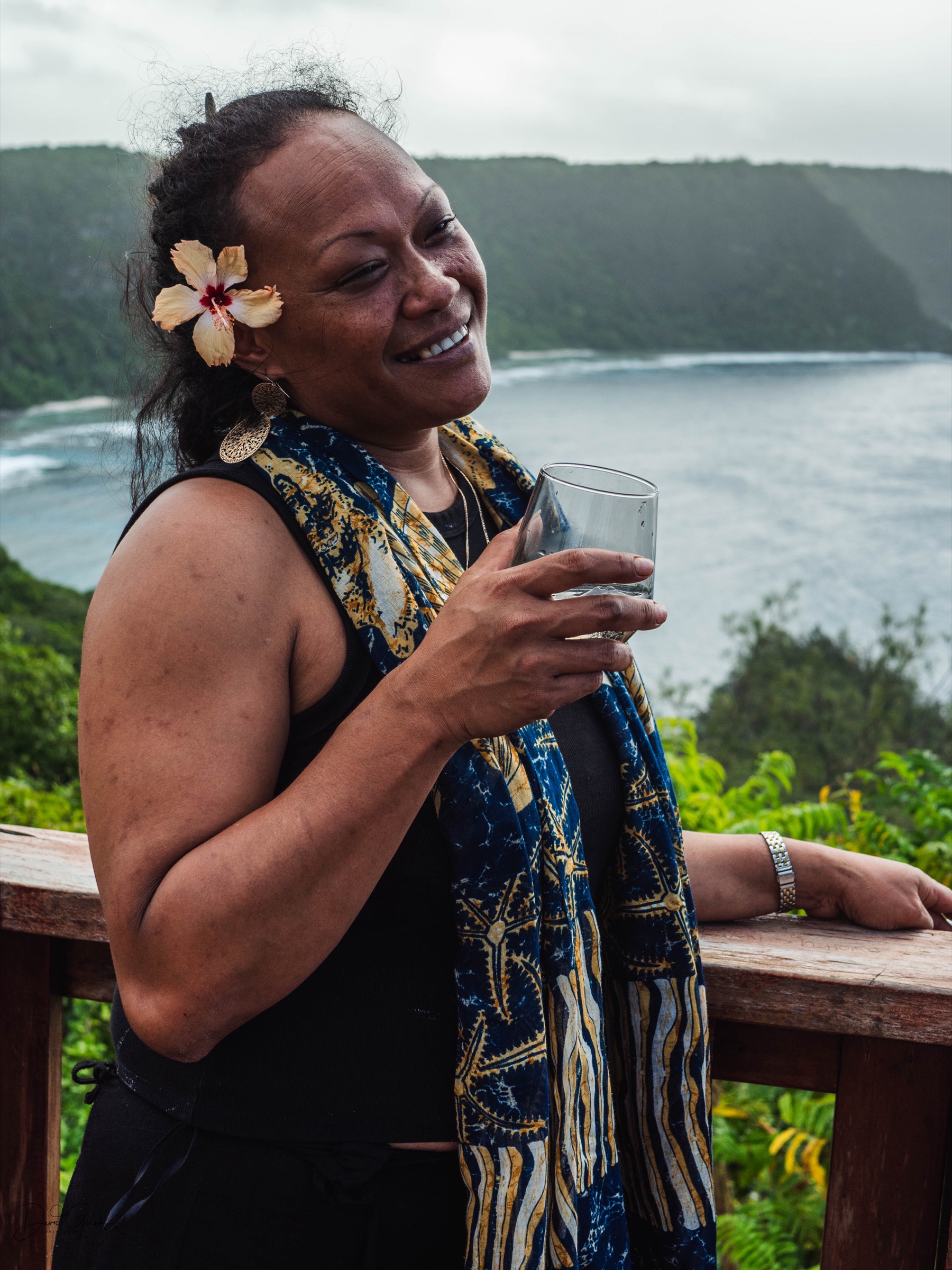
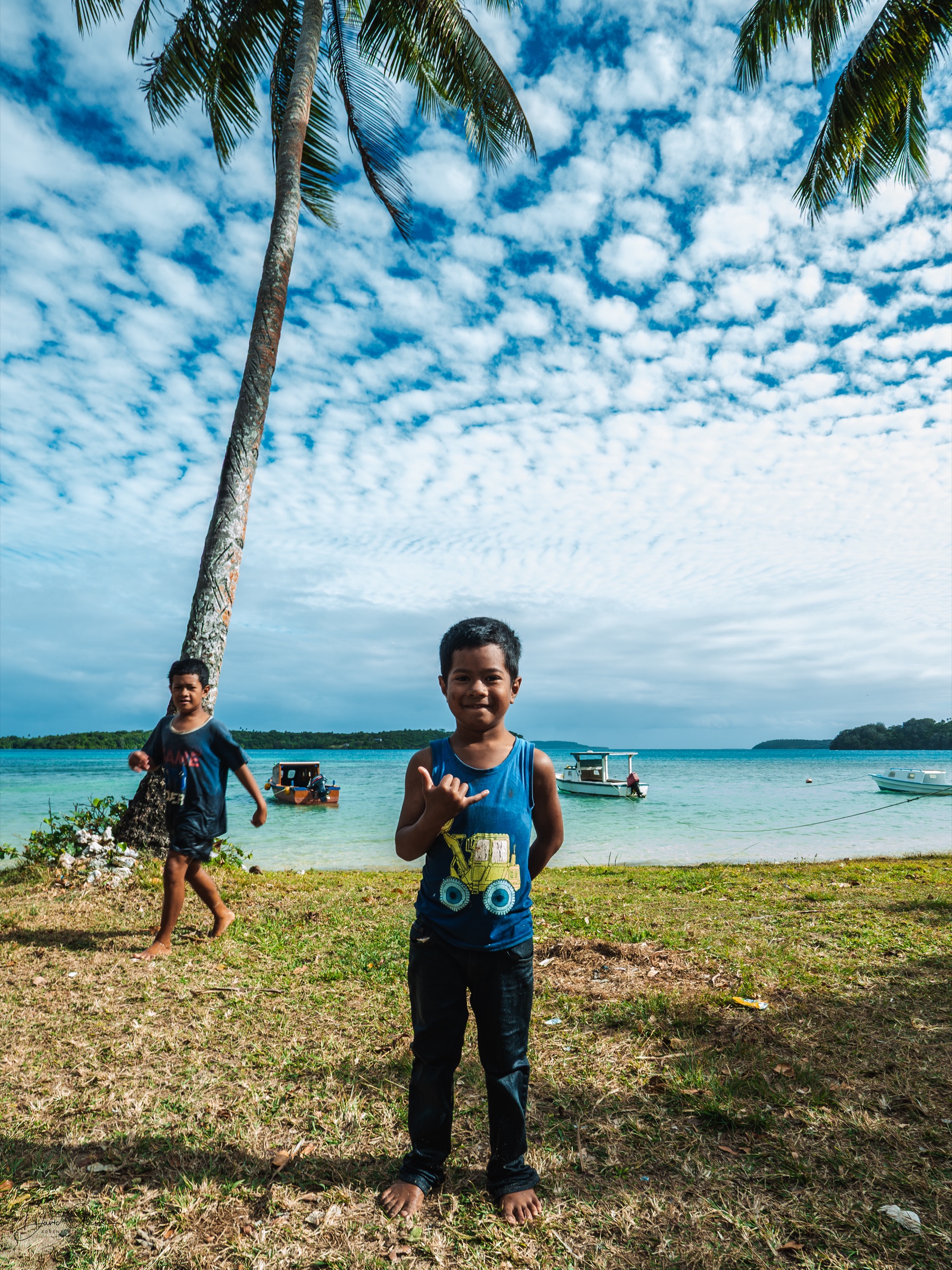
Whichever week you are on, one day of it is a Tongan Sunday, and Sunday in Tonga is Sunday. Nothing runs, and that is a good thing. We take the day off the water and spend it with the local community instead. There is a feast, cooked in an umu, which is an earth oven dug into the ground and covered with banana leaves and hot stones. It takes most of the day and it is worth every hour.
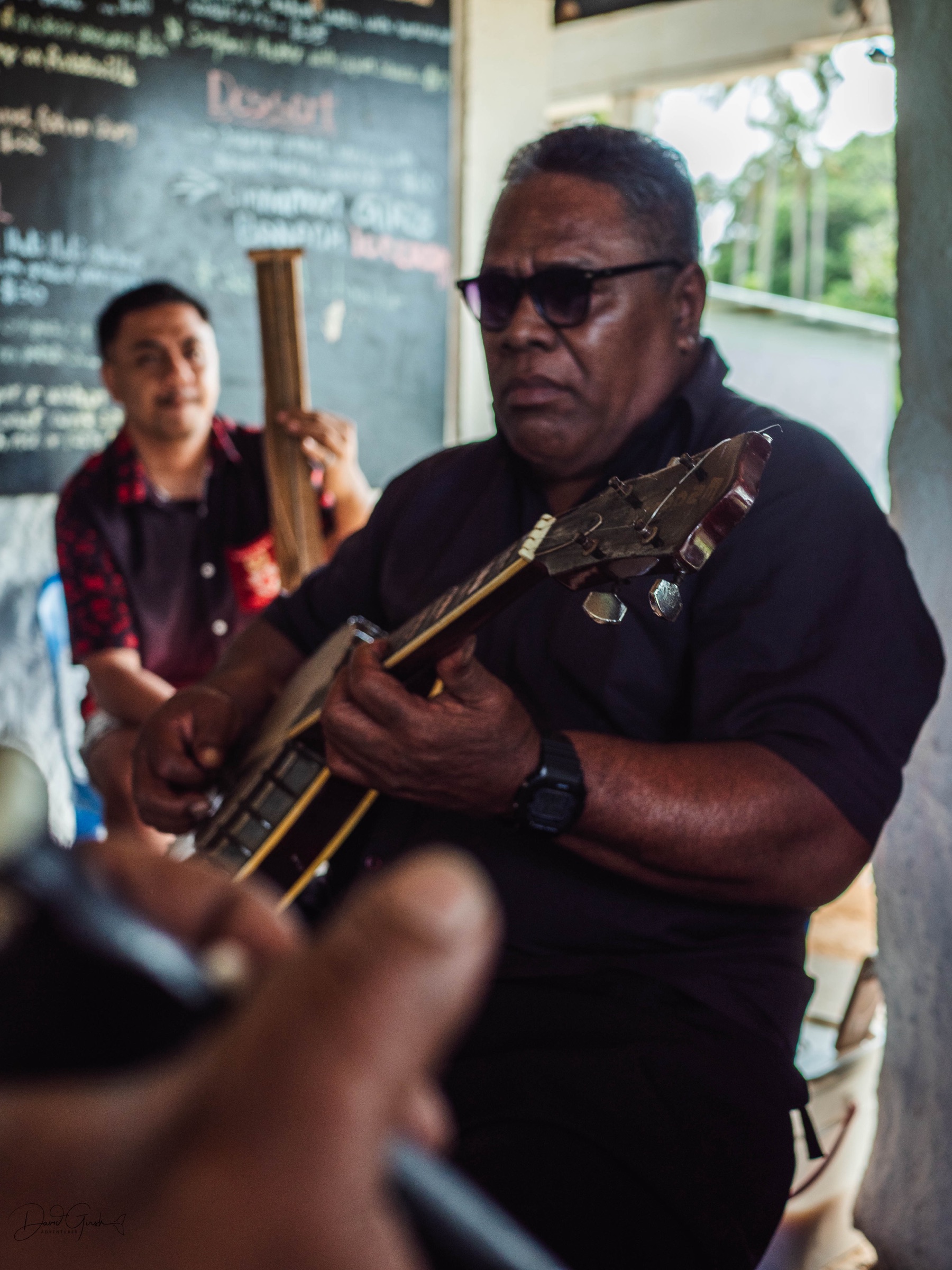
There is usually music, and it is the real thing, not a show put on for visitors. Rest up, eat too much, and let your body recover before the back half of the week.
From here the water days run back to back, seven in the morning until two in the afternoon. Every day is different. Some days you find a calm mother and calf and stay with them for an hour. Some days you spend the whole day looking and get one encounter that makes the entire trip.
By now you are starting to see things you missed on day one. Blows on the horizon, the shape of a fluke going down, the difference between a whale that is moving through and one that is settled. That is the skill, and it comes faster than you think.
This is also around where the reef starts getting a look in. Once we have had our run with the whales there is usually time to drop onto a coral garden on the way back.
Back in among the islands there are sea caves cut into the limestone, and some of them you can swim right into. The light comes down through the openings in the roof until the whole chamber glows.
If the weather is with us we head out into the open and work our way around the northern bays of Vava'u, looking for animals we have not already found. It is a different kind of day, more searching, bigger water.
This is often where the heat runs turn up, groups of males moving fast behind a female. You do not swim with those, you watch them go past, and it is one of the loudest things you will ever see in the ocean.
Somewhere around here is where most people notice it has happened. You are not thinking about your gear any more. You are watching the animal, picking your moment, and getting in the water calm instead of thrashing at it.
That shift is the entire reason this runs six days on the water instead of two. You cannot buy it and you cannot rush it, you just have to put the hours in, and by day five you have.
Final day on the boat and we make it count. Back in the afternoon to rinse gear, pack, and go through the last of the week's photos together before dinner somewhere in town with everyone still half salty.
No swimming today. Transfers to the airport depending on your flight. Go home, sleep for a week, then start looking at your photos properly.
In 1978 King Tāufaʻāhau Tupou IV banned whale hunting in Tongan waters by royal decree, eight years before the rest of the world agreed to a moratorium. The humpback population here had been hunted down to around 250 animals. It is back over 2,500 now, and that recovery is the only reason any of us get to be in the water with them. Tonga then built a licensed, regulated swim industry around them instead of a free for all, and the rules are why the whales here still tolerate people.
Watching from the surface and letting the animal come to you. That is how most of the best encounters happen.
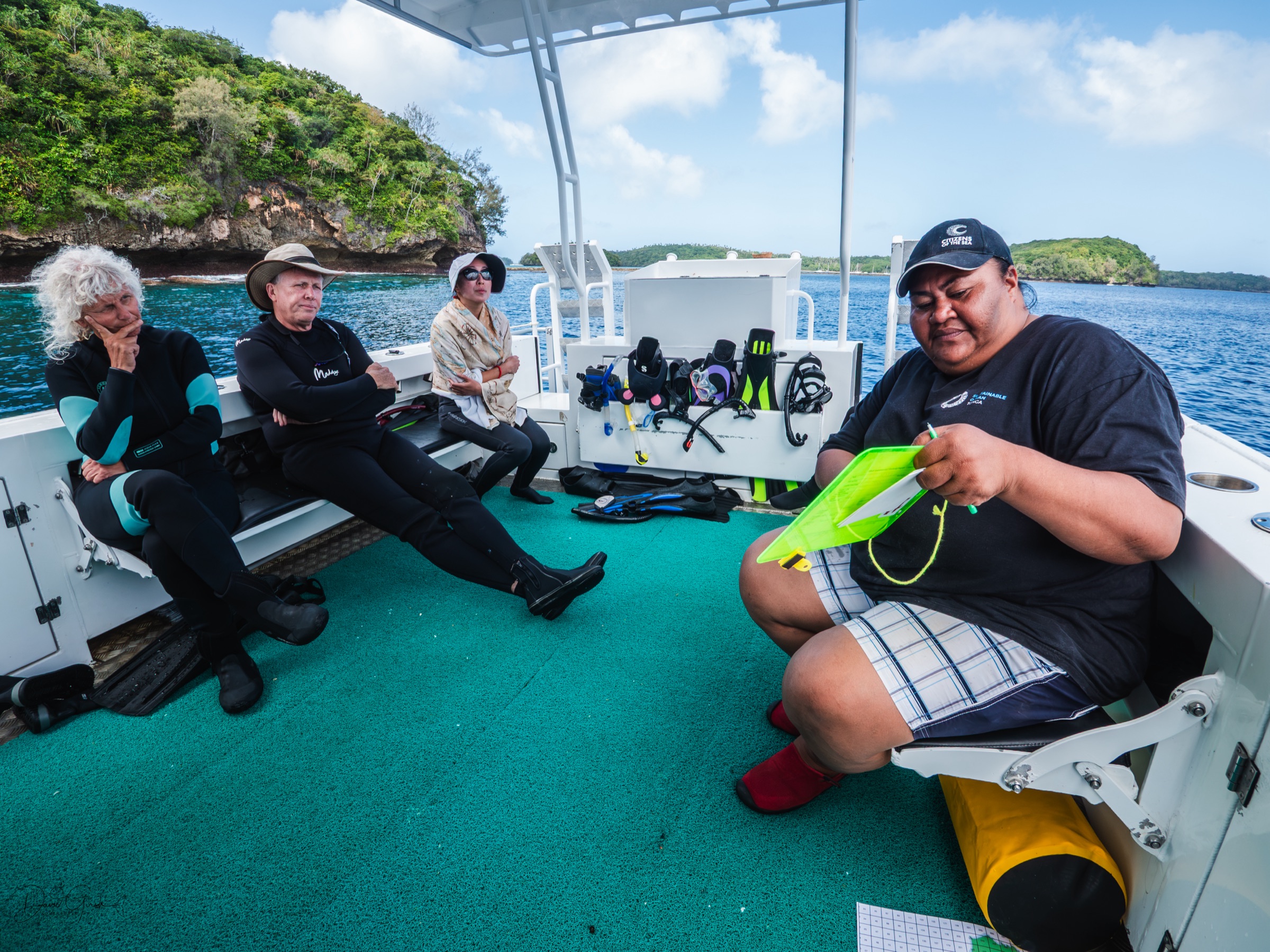
This is not just a whale watching holiday with a conservation sticker on it. We partner with VEPA, the Vava'u Environmental Protection Association, which has been working in these islands since 2009 under Karen Stone.
During the week the group gives them a hand with the work they are already doing. Reef surveys. Coastal and land erosion monitoring. Humpback whale monitoring. You are collecting data that actually goes somewhere and gets used.
It is a genuinely good way to spend a morning, and it changes how you look at the place for the rest of the trip.
Survey briefing on the boat before a drop. Vava'u, 2026.
Six spots per trip, and they go in the order people commit. A deposit holds yours, then the rest is split evenly across two more payments so it is not one big hit.
This is what actually holds your spot. Until it lands the place stays open to whoever asks next.
The balance is split evenly across two further payments. We set the dates between us when you book, so you know exactly what is due and when.
Everything is settled three months out. After that the only thing left to do is pack and get on the plane.
We are on the water a lot and the days are long. You will be hopping in and out chasing whales, the wind picks up on the boat, and between drops you cool down faster than you would think, even on a sunny day. Sort your warmth and your in water kit and you will have the time of your life.


Nothing is guaranteed with wild animals, and anyone who tells you otherwise is selling something. What I can tell you is that Vava'u in August and September is about as reliable as it gets anywhere on earth, and across six days on the water we have never had a group go home disappointed.
Whatever you already own and know how to use. I have seen people get frames they will keep forever on an action camera and people struggle with gear worth more than the trip. Bring what you are comfortable with and I will help you get the most out of it.
Because Tongan regulations limit how many swimmers go in at once, and because a big group means you spend most of your day sitting on the boat waiting for your turn. Six means everyone gets properly in the water. It is the single biggest thing that makes or breaks a trip like this.
We move things around. A blown out day becomes a dry day and we take the water time back later in the week. The ocean gets the final say on this trip and pushing into conditions that are not safe is not something I am willing to do, for you or for the whales.
Have a chat to me about it. The six spots are for people going in the water, so a non swimmer takes up a place that somebody else wants. There are usually ways to make it work, it just needs sorting out early rather than late.
Very common on this trip, and you are not stung for it. The price is single occupancy, so everyone has their own room whether they turned up with someone or not. No solo supplement, and nobody gets paired off with a stranger.
Three groups, six spots each, and 2026 sold out. If one of these weeks works for you, send me a message and let me know which one.